Global Order Tested as US Defends Capture of Venezuela’s Maduro
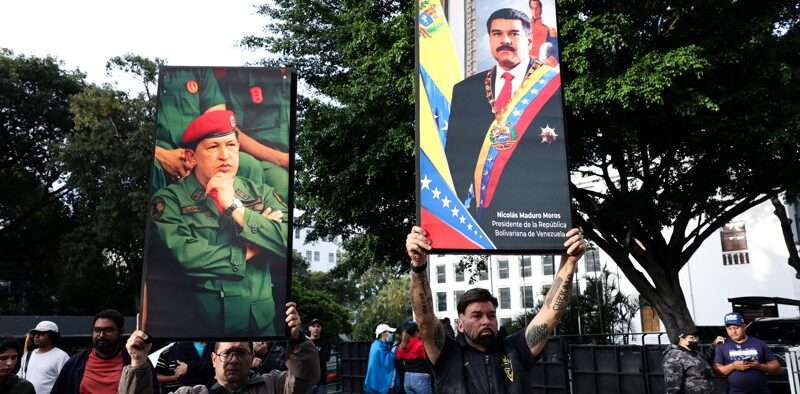
The international system built after World War II to prevent global conflict is facing renewed strain as the United States defends its military operation to capture Venezuela’s former leader Nicolás Maduro, raising fears of a return to a “might makes right” world order.
Speaking at the United Nations on Monday, UN Undersecretary-General Rosemary DiCarlo warned that global peace depends on all nations adhering to the UN Charter. Her remarks came as the US justified Maduro’s arrest following a military raid in Caracas, calling it a lawful action against narco-terrorism.
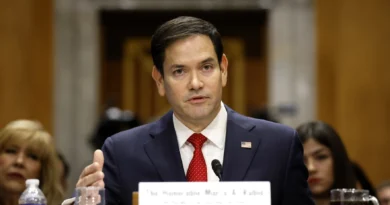
President Donald Trump has insisted the operation was legal, arguing that drug cartels operating from Venezuela are unlawful combatants and that the US is now in an armed conflict with them. US Ambassador to the UN Mike Waltz described the mission as a “surgical law enforcement operation,” consistent with Trump’s National Security Strategy aimed at restoring American dominance in the Western Hemisphere.
The move has drawn sharp criticism from global powers including China, France, and Mexico, with French Foreign Minister Jean-Noël Barrot warning it violates the core international principle of non-use of force and could have serious consequences for global security.
Concerns are growing that the operation could set a precedent for further interventions. Trump has already escalated rhetoric toward Colombia, accusing its president of ties to the cocaine trade, while analysts warn the Venezuela action could weaken international law across multiple global flashpoints.
In Europe, leaders fear the precedent could embolden Russia amid its war in Ukraine. Moscow condemned the Maduro operation as a return to lawlessness, while Ukrainian analysts said it reinforces a trend of eroding global norms.
Elsewhere, Trump’s remarks about Greenland have alarmed Denmark, while China is watching closely for implications related to Taiwan, even as Beijing criticizes the Venezuela operation as an abuse of force.
In the Middle East, the episode adds to tensions following US strikes on Iran and continued conflict in Gaza, where Washington has repeatedly blocked UN ceasefire efforts.
The European Union, while rejecting Maduro’s legitimacy, stressed that international law must still be upheld. But some leaders, including Hungary’s Prime Minister Viktor Orbán, argue that global rules no longer constrain major powers.
As reactions ripple across continents, diplomats warn that the fallout from Venezuela may extend far beyond Latin America, challenging the foundations of the postwar international order.