COP30 Highlights Indigenous Role While Indonesia’s Policies Risk Land Loss
Indigenous Peoples Face Rising Threats Despite Recognition at COP30
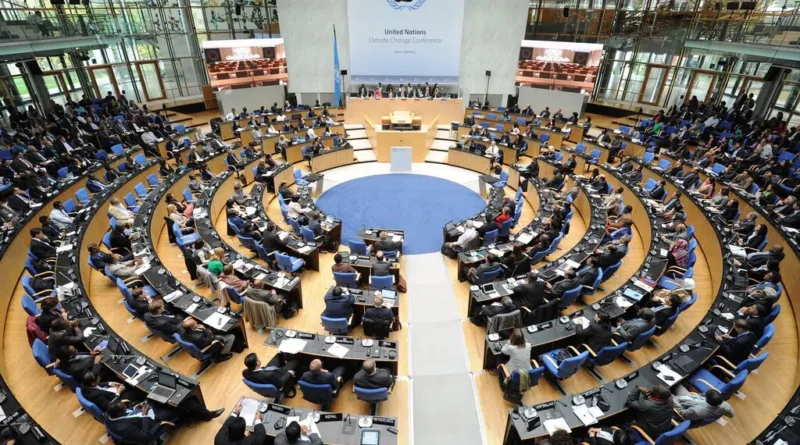
Indigenous peoples play a vital role in global climate action, serving as guardians of forests and protectors of biodiversity. At the 2025 United Nations Climate Change Conference (COP30) in Belém, Brazil, their contributions were formally recognized. However, the situation in Indonesia remains fraught with challenges. Indigenous communities and their lands often face threats from government-backed projects that claim to address climate concerns but fail to resolve the real issues.
Mega-development projects, including the geothermal plant in Poco Leok, East Nusa Tenggara, the bioenergy initiative in Merauke, Papua, the dam construction in North Kalimantan, and the Lambo Reservoir in Nagekeo, have all put Indigenous lands at risk.
Indonesia is home to an estimated 50 to 70 million Indigenous people across more than 2,000 groups, with 2,161 communities officially recognized. The majority reside on Borneo Island, followed by Sulawesi and Sumatra.
The government has pledged to recognize 1.4 million hectares of customary forests by 2029 as part of its COP30 deforestation reduction plan. The Indigenous Peoples Alliance of the Archipelago (AMAN), representing Indigenous communities nationwide, welcomed the announcement but cautioned that this is only a first step. Maps for 33.6 million hectares of customary territories have already been submitted, more than half of which are forested. Without meaningful involvement of Indigenous communities and resolution of land disputes, these commitments risk remaining symbolic. As investment and national development projects increase, and climate policies continue to neglect human rights, Indigenous communities face land seizures, criminalization, and heightened violence. In 2025 alone, AMAN reported 135 cases of customary land being taken, totaling a loss of 3.8 million hectares across 109 Indigenous communities. In addition, 162 communities experienced criminalization and violence linked to forestry, mining, energy projects, plantations, infrastructure development, and the establishment of conservation areas and national parks.
Sombolinggi noted the alarming scale of dispossession:
“In 2025, 38 million hectares of Indigenous land were taken. Over the previous decade, 11.7 million hectares were seized, averaging 1.1 million hectares per year. This year’s number is three times higher than the average. Policies make it easier to seize Indigenous land, and violence is becoming more common. Sadly, the government continues to deny this reality, while Indigenous peoples are criminalized.”
Current policies, such as the Presidential Regulation on forest areas, increase militarization in Indigenous territories, framing communities as subjects to control and potentially escalating repression under the guise of development or strategic projects.
AMAN also highlights the stalled Indigenous Peoples Bill, languishing in parliament for over a decade. The legislation could end structural discrimination, formally recognize ancestral rights, and prevent repeated land seizures, signaling government compliance with constitutional obligations. Despite the Indonesian government’s commitment to restore 1.4 million hectares of customary forests, tangible progress has yet to materialize since COP30, leaving Indigenous communities vulnerable to ongoing encroachment and human rights violations.