1.4 Billion Welcome the Year of the Horse as Lunar New Year Celebrations Begin
By Naeem Mehboob
Beijing : Around 1.4 billion people began celebrating the Lunar New Year on Tuesday, ushering in the Year of the Horse with vibrant fireworks, illuminated skylines, and grand cultural performances across China and beyond. Also known as the Spring Festival, the occasion marks the most significant holiday in China and is widely observed across East and Southeast Asia.
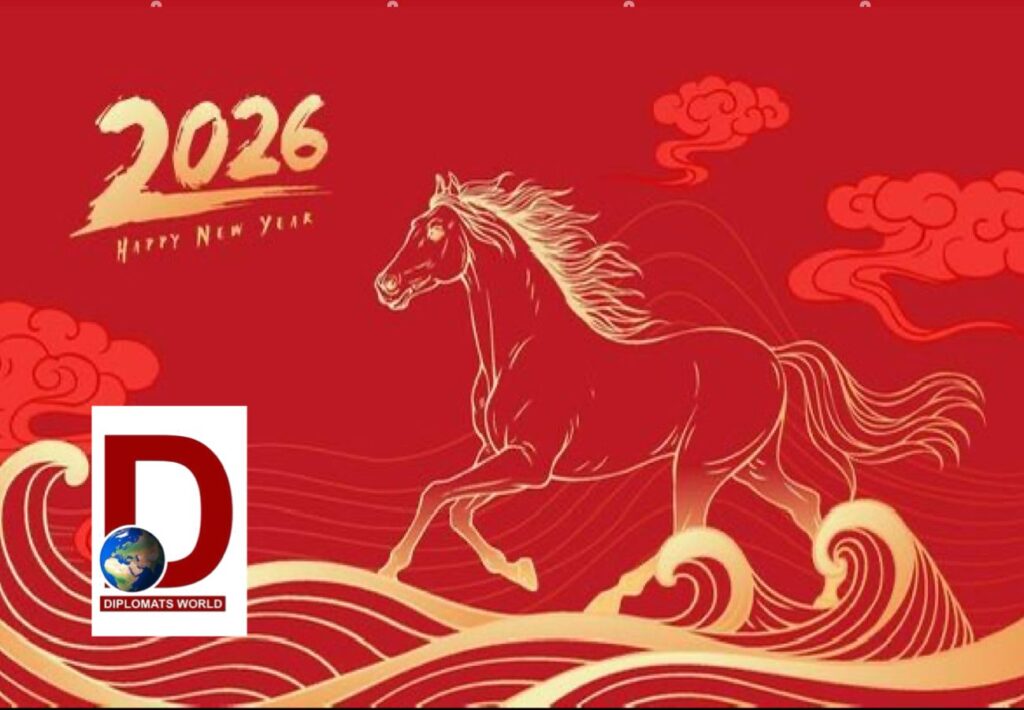
Based on the traditional lunar calendar, the Lunar New Year signals the beginning of a new zodiac cycle. The Chinese zodiac follows a 12-year rotation, each year represented by an animal sign Rat, Ox, Tiger, Rabbit, Dragon, Snake, Horse, Goat, Monkey, Rooster, Dog, and Pig. The Year of the Horse is traditionally associated with energy, optimism, strength, and opportunity, following the Year of the Snake, which symbolized transformation and strategy.
A Festival Rooted in History
The origins of the Lunar New Year date back over 4,000 years to ancient agrarian societies in China. Historically, the festival marked the end of winter and the beginning of spring planting season, a time when families prayed for good harvests and prosperity.
One popular legend traces the celebration to a mythical beast called “Nian,” which was believed to terrorize villages at the start of each year. According to folklore, villagers discovered that loud noises, bright lights, and the color red frightened the creature away traditions that evolved into the fireworks, lanterns, and red decorations that define the festival today.
Over centuries, the Spring Festival grew into a deeply embedded cultural event symbolizing renewal, family unity, and hope for the year ahead.
Chunyun: The World’s Largest Human Migration
The Lunar New Year also triggers the world’s largest annual human migration, known as Chunyun. Millions of people travel across cities and provinces to reunite with their families, placing immense demand on transport networks. Railway stations, airports, and highways witness record-breaking traffic as workers return to their hometowns for reunion dinners and celebrations.
The festival provides a significant boost to domestic consumption in the world’s second-largest economy, with spending surging on travel, retail, entertainment, and dining.
Traditions and Celebrations
In the days leading up to the New Year, families thoroughly clean their homes to sweep away bad luck and decorate with red lanterns, poetic couplets, and paper cuttings symbolizing prosperity and happiness.
On New Year’s Eve, families gather for a grand reunion dinner considered the most important meal of the year. Elders distribute hongbao, red envelopes containing money, to children and younger family members as blessings for good fortune.
This year’s state-sponsored gala among the largest televised events globally captivated millions of viewers, featuring a stunningly synchronized kung fu performance by robots and children, blending tradition with modern innovation.
Festivities typically continue for 15 days, culminating in the Lantern Festival. During this period, dragon and lion dances, temple fairs, fireworks displays, and cultural performances animate both major cities and rural communities.
A Celebration Beyond Borders
While the festival originates in China, Lunar New Year is widely celebrated in countries such as South Korea, Vietnam, Singapore, Malaysia, and other parts of East and Southeast Asia, reflecting the deep cultural and historical ties of the region.
As the Year of the Horse begins, families across the globe welcome a period symbolizing resilience, vitality, and new beginnings a moment of reflection on the past year and renewed hope for prosperity and peace in the months ahead.