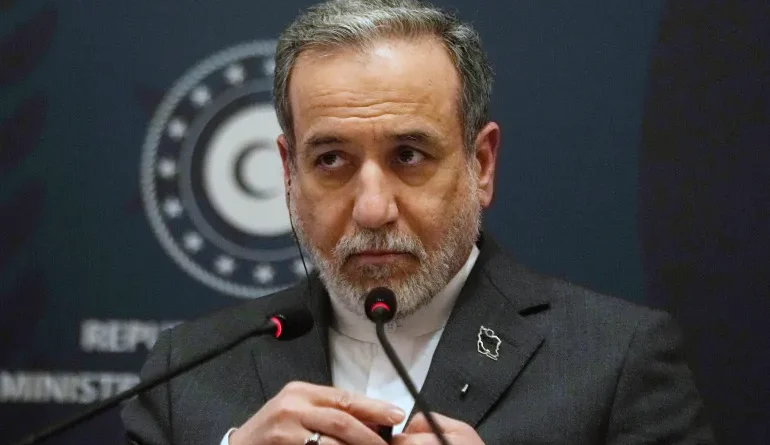
Abbas Araghchi Blames United States for Regional Civilian Risks
Iranian Foreign Minister Abbas Araghchi has formally stated that the United States bears full responsibility for strikes occurring near civilian areas in Gulf nations. During an interview with an Arab television network, Araghchi asserted that American military forces have initiated a strategic transition, moving out of traditional military bases and into urban environments and hotels.
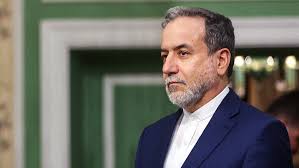
According to the Iranian Foreign Minister, this specific relocation of US personnel and equipment has placed civilian-populated areas at risk, as these sites have consequently become targets within the context of ongoing regional hostilities.
United States Accused of Using Civilian Areas for Bases
Araghchi detailed that Iranian operations specifically targeted locations where US forces or their technical installations were established. He acknowledged that some of these targeted sites may be situated in close proximity to civilian infrastructure, leading to significant distress and damage for the nations and populations of the region.
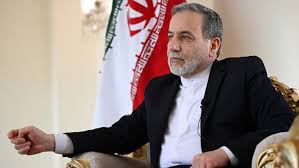
However, he maintained that the geographical overlap between military assets and residential zones is a direct result of American tactical decisions. Furthermore, the Foreign Minister emphasized that the blame for the initiation of the conflict on February 28 rests entirely with the United States, extending that culpability to any collateral impact experienced by Gulf states.
The Iranian diplomat’s remarks highlight a narrative that American military positioning is the primary catalyst for the current security crisis. By operating within or near civilian centers, Araghchi argues, the United States has effectively blurred the lines between combat zones and neutral territory, forcing the consequences of military engagement onto local populaces.
Read Also ; Beijing Calls For Dialogue Between Pakistan And Afghanistan
This official stance from Tehran underscores a deepening diplomatic rift and a firm refusal to accept responsibility for the regional fallout, instead pointing to the presence of American installations as the fundamental source of the ongoing instability and humanitarian concern across the Gulf.
Araghchi Links Regional Instability Directly to American Forces
As the geopolitical situation evolves, the Iranian Ministry of Foreign Affairs continues to maintain that its military actions are reactive measures against specific foreign deployments. Araghchi’s comments serve as a direct accusation against the Pentagon’s operational protocols in the Middle East, framing the US as the primary aggressor and the entity responsible for the safety of Gulf civilians.
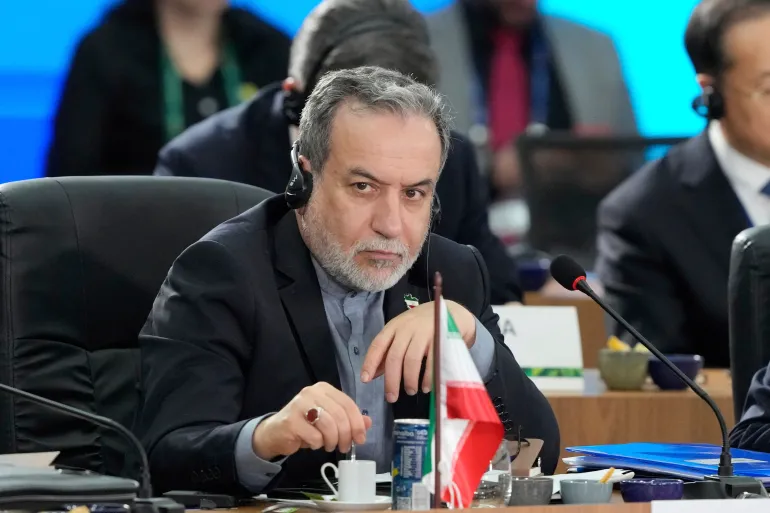
The assertion that US troops are utilizing hotels and civilian buildings as makeshift command centers remains a central pillar of Iran’s current international messaging regarding the safety and sovereignty of neighboring Arab states.
Iranian Leadership Claims US Responsibility for February Conflict
In conclusion, the Iranian government has solidified its position that the United States must answer for the disruption of civilian life in the region. By linking the February 28 outbreak of hostilities and subsequent strikes near populated areas to American military strategy, Abbas Araghchi has signaled that Tehran will continue to challenge the legitimacy of the US presence in the Gulf.
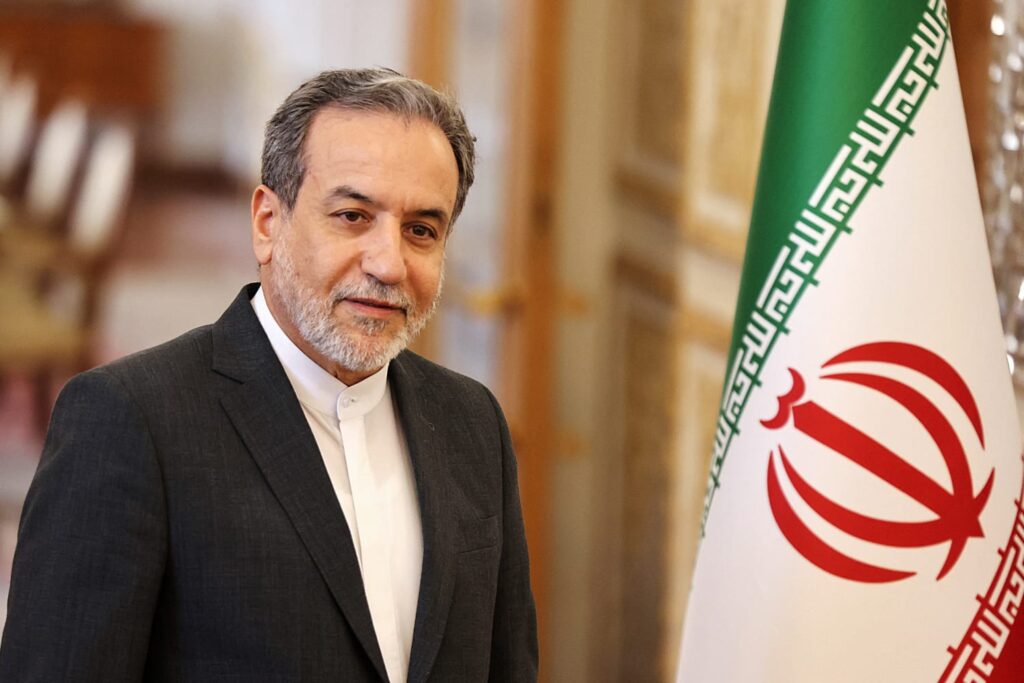
This rhetoric suggests that as long as American forces remain integrated within regional infrastructure, Iran will view those locations as legitimate points of engagement, while publicly holding Washington accountable for any resulting civilian casualties or infrastructure damage.