Analysts Question Trump–Netanyahu Strategy in Iran Conflict
International analysts and political commentators are increasingly questioning the objectives and potential outcomes of the ongoing military confrontation involving the United States, Israel, and Iran, with some experts warning that attempts to force political change in Tehran may prove unrealistic without large-scale ground operations.
European Leaders Urged to Respond to Expanding Iran Crisis
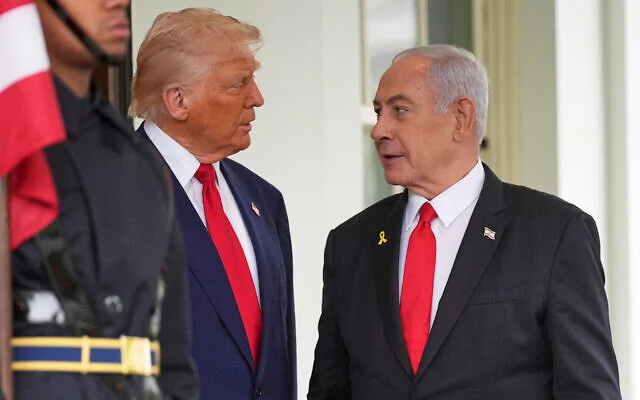
The debate has intensified following statements and actions by US President Donald Trump and Israeli Prime Minister Benjamin Netanyahu regarding the ongoing conflict with Iran.
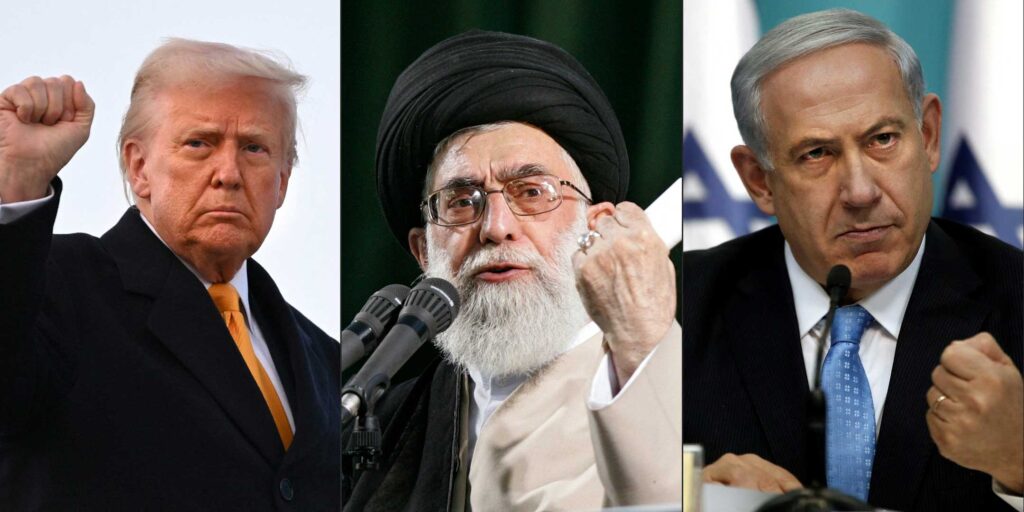
According to analysts cited by DiplomatsWorld sources, the military campaign has raised concerns about compliance with international law, national sovereignty, and the broader consequences of military escalation in the Middle East.
Some critics argue that the strategy pursued by Washington and Tel Aviv may not achieve its stated objectives, particularly if the goal involves destabilizing or replacing Iran’s leadership without deploying ground forces.
Political scientist John Mearsheimer, a scholar of international relations, has previously argued that regime change operations historically require the presence of ground troops to succeed.
Experts Say Regime Change in Iran Unlikely Without Troops
Analysts say that without such operations, large-scale political transformation within a target country remains difficult to achieve.
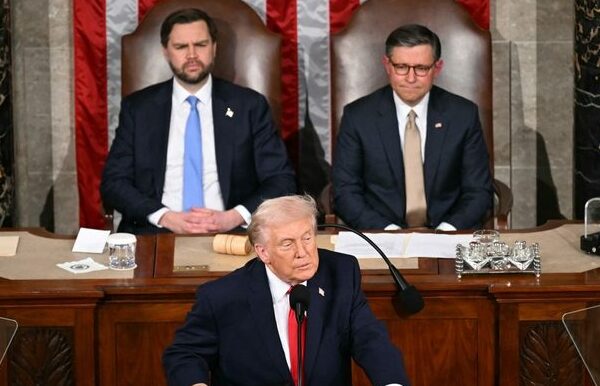
Observers also note that the evolving conflict could have significant domestic political implications in both the United States and Israel.
In the United States, analysts say the conflict comes at a sensitive political moment as the country approaches upcoming midterm elections. Rising casualties, economic pressure linked to energy markets, and extended military commitments could influence the domestic political environment.
In Israel, the political situation is also being closely watched. Former Israeli prime minister Naftali Bennett has warned that political divisions within the country could intensify if the conflict continues without clear strategic outcomes.
Bennett and several Israeli opposition figures have raised concerns about the domestic impact of the war and the possibility of deepening political polarization within Israel.
Debate Grows Over Legality and Impact of Iran War
Analysts also note that regional and international reactions to the conflict remain mixed.
Within Europe, some leaders have begun to voice concerns about the consequences of prolonged military escalation, particularly the potential for economic disruption and regional instability.
Among European leaders, Spanish Prime Minister Pedro Sánchez has been one of the few to publicly question the military campaign against Iran.
Diplomatic observers warn that any prolonged conflict involving Iran could have major implications for global energy markets, particularly if tensions disrupt supply routes in the Persian Gulf.
Energy analysts note that instability in the region could trigger wider oil and gas market volatility, which would have economic repercussions for both Europe and global markets.

Experts also warn that internal instability within Iran could produce wider regional consequences, including humanitarian concerns and migration pressures.
Read Also ; Trump Says Iran War May End With Regime Eliminated
At the same time, observers note that the conflict has reignited discussions about the future of international institutions and the role of global governance mechanisms in addressing geopolitical disputes.

Some analysts say the situation reflects growing tensions in the international system, where unilateral military actions are increasingly challenging traditional diplomatic frameworks.
Pedro Sánchez has been publicly question the military campaign against Iran.
Political experts have also drawn historical comparisons to earlier periods of geopolitical confrontation, describing the current moment as one of heightened uncertainty in global affairs.
While governments continue to monitor the evolving situation, analysts say the ultimate outcome of the conflict remains unclear, with significant military, political, and economic risks still unfolding across the region.