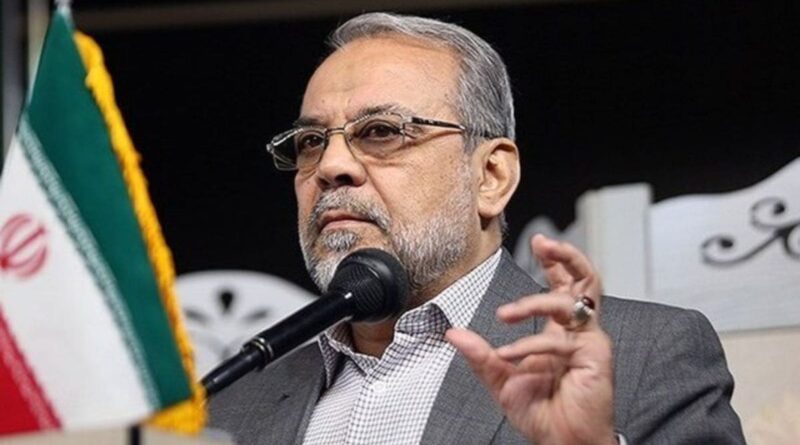
Baqer Zolqadr Appointed Secretary of Iran’s Supreme National Security Council
Brigadier General Mohammad Baqer Zolqadr has been officially appointed as the Secretary of Iran’s Supreme National Security Council (SNSC), filling the vacancy left by the late Ali Larijani. The appointment was confirmed by an official from the Iranian President’s office and reported by international news agencies including Reuters. This leadership transition occurs during a period of heightened regional volatility, where the SNSC remains the primary body responsible for defining Iran’s defense and foreign policy under the formal chairmanship of the Iranian President.
Targeted Assassination of Ali Larijani and Family
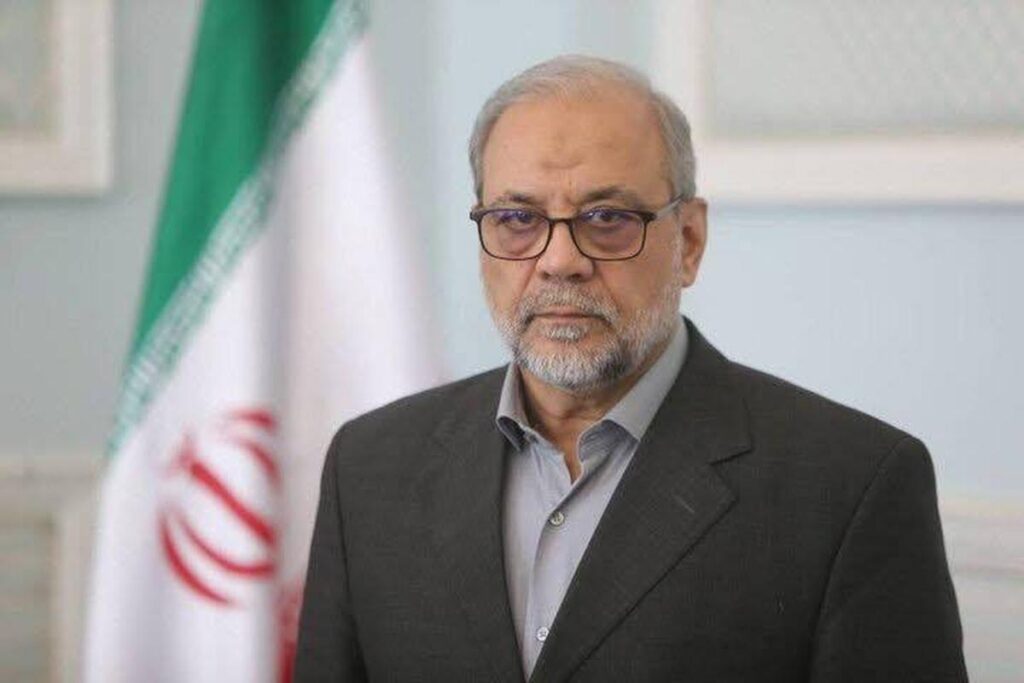
The strategic appointment follows the recent targeted assassination of Ali Larijani, a prominent Iranian political figure and former head of the SNSC. Larijani was killed alongside his son in an Israeli missile strike that directly targeted his residence. This event has sent shockwaves through the Iranian political establishment, marking a significant escalation in the ongoing shadow war characterized by the systematic targeting of the nation’s high-ranking military and political leadership.
Military Background of Brigadier General Zolqadr
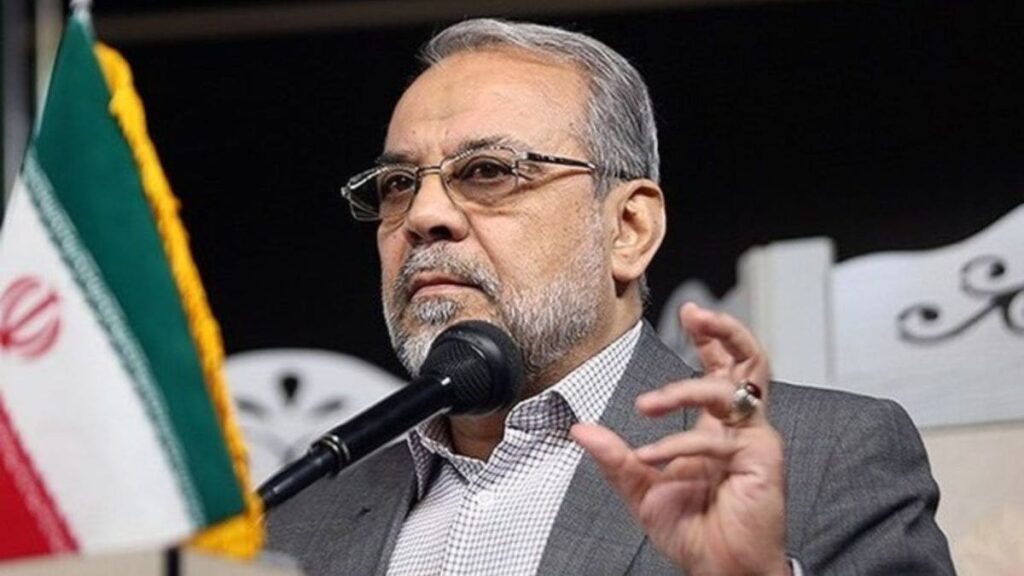
Brigadier General Mohammad Baqer Zolqadr brings an extensive military background to the council, having previously served as a high-ranking commander within the Islamic Revolutionary Guard Corps (IRGC). His transition from the IRGC to the apex of Iran’s national security architecture is seen by regional analysts as a move to consolidate military and political decision-making. Zolqadr’s experience in strategic operations is expected to influence Iran’s response to external pressures and its coordination of domestic security protocols.
read also ; Foreign Minister Dar Coordinates Stability With Egypt China
Context of Ongoing Conflict and Strategic Goals
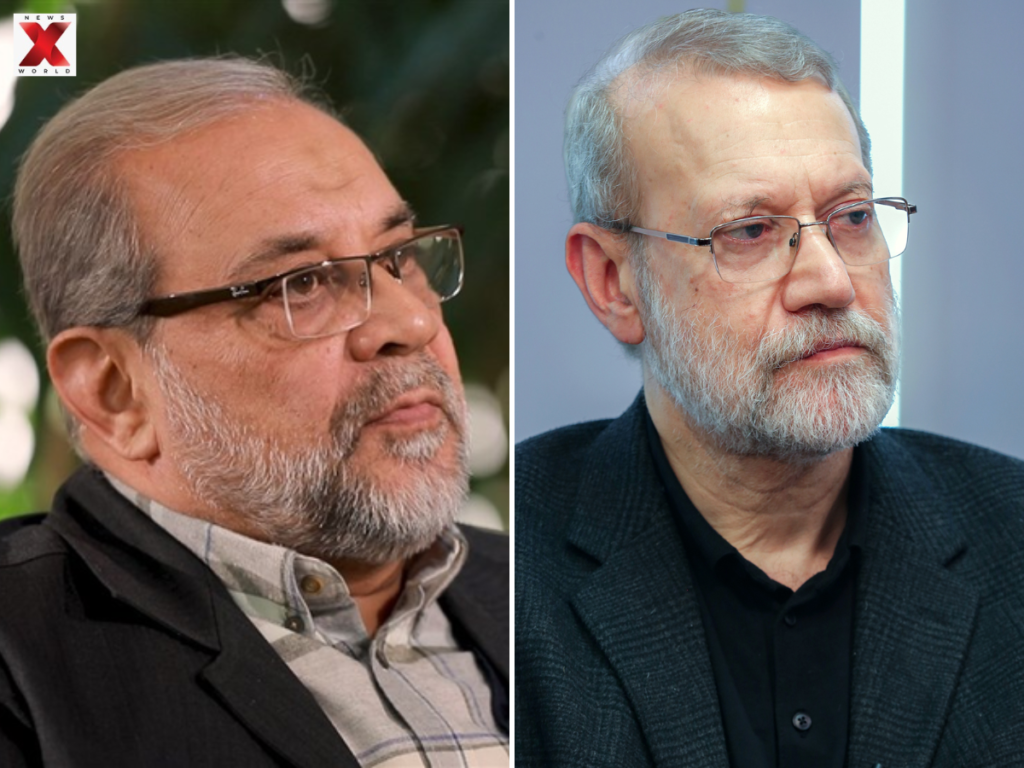
Zolqadr’s appointment comes at a critical juncture as Iran remains embroiled in a multi-front conflict involving the United States and Israel. Iranian officials have characterized the current situation as a targeted campaign aimed at decapitating the country’s strategic leadership through precision strikes and intelligence operations. The Supreme National Security Council, now under Zolqadr’s administrative leadership, is tasked with formulating a cohesive defense strategy to mitigate these threats while maintaining the country’s regional influence.
Implications for Regional Security and Policy
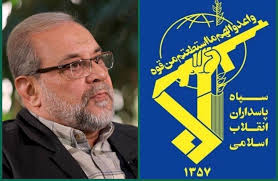
The induction of a former IRGC commander into the SNSC leadership role suggests a potentially more assertive posture in Iran’s regional foreign policy. As the council integrates intelligence, military, and diplomatic insights to advise the President, Zolqadr will be responsible for overseeing the implementation of national security directives during a period of active hostilities. Observers suggest that this leadership shift may lead to a more synchronized approach between Iran’s conventional political structures and its specialized military branches.