Brent Hits $112.84 as Gulf Energy Facilities Face Threats
Oil markets experienced volatility on Monday as investors balanced rising tensions between United States and Iran against the temporary release of millions of barrels of Iranian oil following a partial lifting of sanctions.
Oil Prices Fluctuate Amid US-Iran Tensions and Sanctions Relief
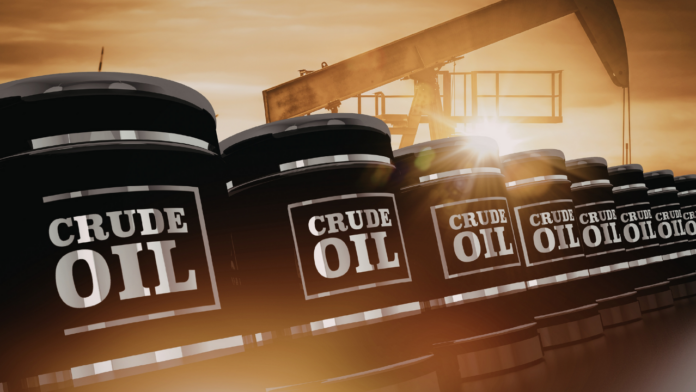
Brent crude futures had risen 65 cents to $112.84 per barrel, while US West Texas Intermediate (WTI) increased 84 cents to $98.75 per barrel, after both benchmarks had fallen over $1 earlier in the session. The resulting spread of more than $13 per barrel between Brent and WTI represents one of the widest differentials in years.
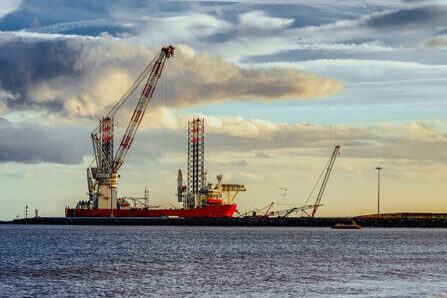
Analysts noted that while near-term oil sentiment remains sensitive to threats and geopolitical rhetoric, long-term price direction continues to depend on the state of Middle East oil flows. Vandana Hari, founder of Vanda Insights, highlighted the critical role of Gulf energy exports in shaping global market trends.
WTI at $98.75 Amid Middle East Supply Disruptions
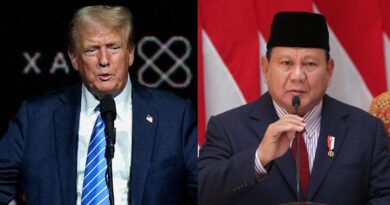
Tensions escalated over the weekend when Donald Trump warned that he could “obliterate” Iran’s power plants if the Strait of Hormuz was not fully reopened within 48 hours. In response, Iranian Parliament Speaker Mohammad Baqer Qalibaf cautioned that attacks on Iranian energy facilities could lead to irreversible damage across the region.
Experts warned that the conflict could push oil prices higher. Amrita Sen, founder of Energy Aspects, stated that escalating hostilities might affect Gulf infrastructure and production, while also noting the risk that Iran may continue to resist foreign pressure.
Read Also ; https://diplomatsworld.com/government-plans-new-levy-to-reduce-gas-sector/
Fatih Birol described the crisis as “very severe,” surpassing the combined impact of the two oil shocks of the 1970s. Shipping through the Strait of Hormuz, which carries roughly 20 percent of global oil and liquefied natural gas flows, has nearly halted, and major energy facilities have been damaged.
Iranian and US Rhetoric Fuels Global Energy Market Uncertainty
Regional oil production has also been affected. Iraq declared force majeure on all foreign-operated oilfields, with output at Basra Oil Co. dropping to 900,000 barrels per day (bpd) from 3.3 million bpd, according to Iraqi Oil Minister Hayan Abdel-Ghani. Meanwhile, Indian refiners plan to resume purchases of Iranian oil, and other Asian buyers are considering similar moves.
Hari added that while US threats signal an intent to pressure Iran, the effectiveness of targeting Tehran’s energy infrastructure remains uncertain as Iran retains the ability to retaliate against neighboring states, creating ongoing volatility for global energy markets.