Climate Threats Persist, but Research Shows Complex Future for Polar Bears
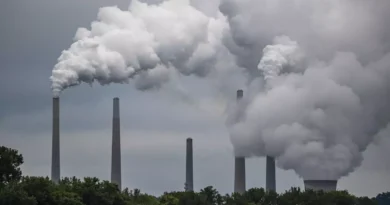
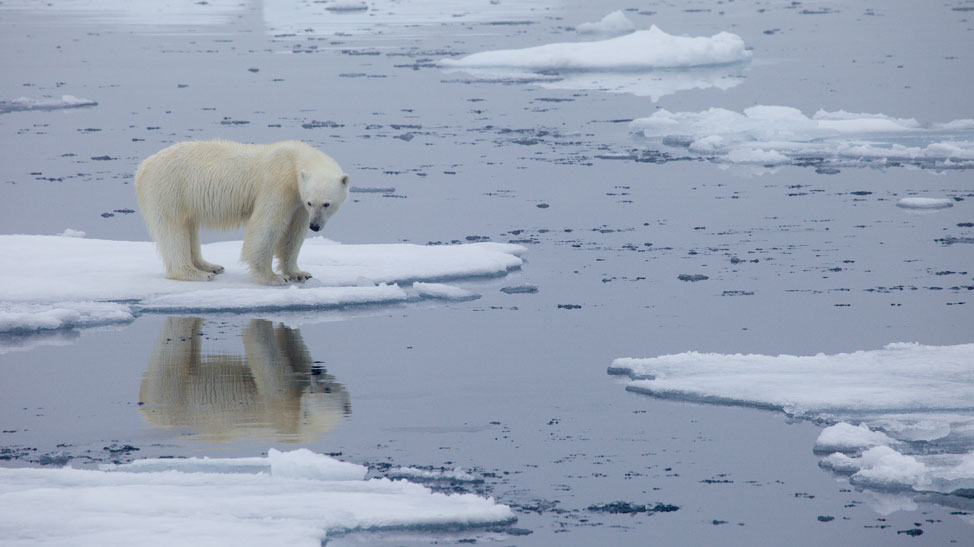
Scientists have long portrayed polar bears as one of the most visible victims of climate change, as the species depends heavily on sea ice to hunt seals. Rising global temperatures driven by fossil fuel emissions have accelerated the melting of Arctic ice, threatening the bears’ natural habitat.
For more than 30 years, researchers have warned that climate change could push polar bear populations toward extinction. This warning has become deeply embedded in public awareness, making polar bears a powerful symbol of the broader impacts of global warming.
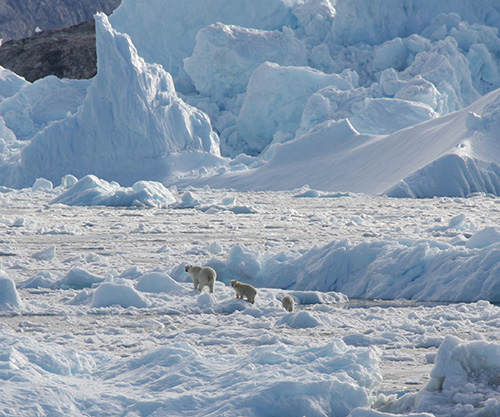
However, recent scientific findings suggest a more complex reality for the species. In 2022, researchers reported that polar bears in southeastern Greenland have adapted their hunting behavior by using glacial ice rather than sea ice, allowing them to survive despite warming conditions.
Further research published late last year identified changes in polar bear DNA that may support adaptation to higher temperatures. These findings indicate that while climate change remains a serious threat, some polar bear populations may possess limited adaptive capacity in response to environmental shifts.
ClimateChange #PolarBears #GlobalWarming #Arctic #Wildlife #EnvironmentalResearch #diplomatsWorld