
Cyclone Ditwah Shows Growing Climate Disaster Risks In Sri Lanka
Sri Lanka’s recent experience with Cyclone Ditwah demonstrates how extreme weather events linked to climate change are increasingly shaping the country’s disaster risks, according to a new report released by Greenpeace South Asia.
Greenpeace Report Links Sri Lanka Cyclone To Climate Change
The report states that the cyclone should not be viewed as an isolated weather event but rather as part of a broader pattern of climate-related disasters associated with rising sea surface temperatures and shifting weather systems across the region.
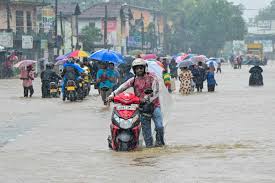
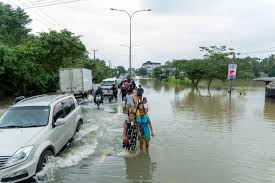
According to the report, Cyclone Ditwah caused extensive destruction across Sri Lanka primarily due to prolonged and intense rainfall rather than powerful winds typically associated with cyclones.
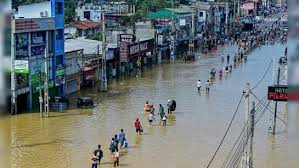
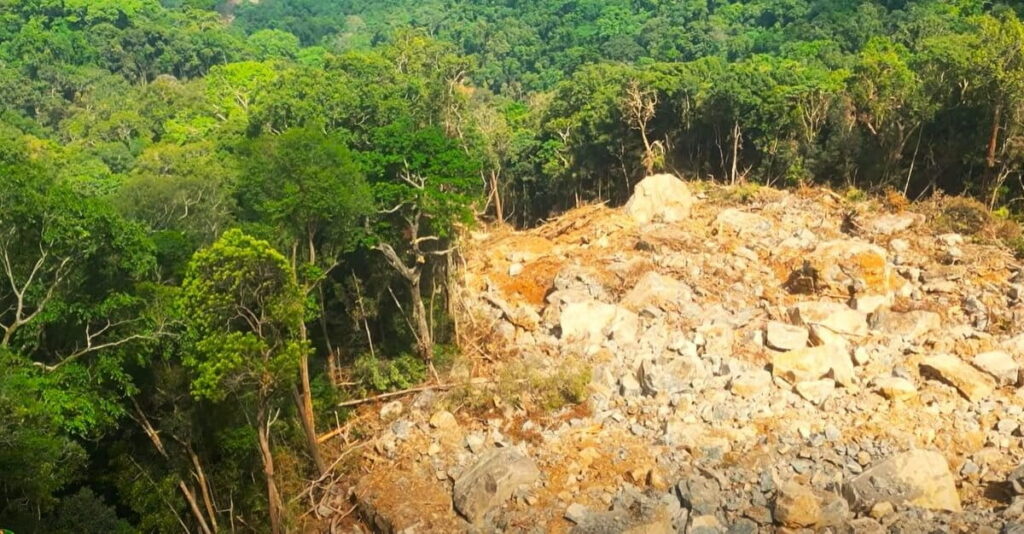
Researchers noted that the slow-moving low-pressure system remained over the country for several days, bringing persistent and extreme precipitation. The heavy rainfall resulted in widespread flooding in multiple districts, disruption to infrastructure, and a series of landslides that affected communities and transportation networks.
Extreme Rainfall From Cyclone Ditwah Triggers Inland Destruction
The report highlighted that Ditwah’s impact differed from the usual pattern seen in many cyclones affecting the region.
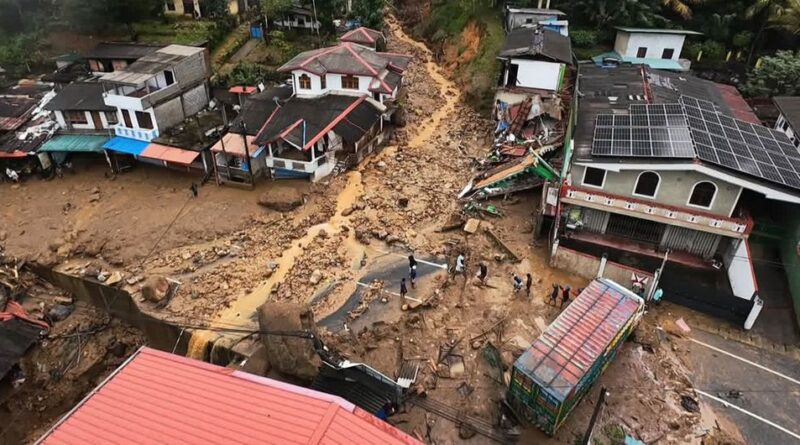
Unlike conventional cyclones that tend to cause the most damage in coastal areas, the strongest impacts from Cyclone Ditwah were recorded inland, particularly in Sri Lanka’s central highlands.
The system’s slow movement allowed rainfall to continue over the same areas for an extended period. As a result, soil across several regions became saturated over multiple days, significantly increasing the risk of landslides.
Rising Sea Temperatures Intensify Storm Impacts In Sri Lanka
The report noted that landslides occurred even in areas that had not previously been classified as high-risk zones, illustrating the changing nature of disaster risks linked to extreme rainfall events.
Read Also ; Iranian President Warns Tehran May Face Water Evacuation
According to the analysis presented in the report, the scale of rainfall associated with Cyclone Ditwah was influenced by broader climate trends.
An assessment conducted by World Weather Attribution found that the extreme five-day rainfall linked to the cyclone was between 28 percent and 160 percent more intense than it would likely have been without human-induced global warming.
The analysis referenced the current global warming level of approximately 1.3 degrees Celsius above pre-industrial temperatures as a significant factor influencing weather intensity.
The report also pointed to unusually warm sea surface temperatures in the North Indian Ocean. These temperatures were estimated to be around 0.2 degrees Celsius higher than the average recorded between 1991 and 2020.
strengthened the rainfall associated with Cyclone Ditwah
Scientists say warmer ocean waters can contribute additional heat and moisture to developing weather systems, increasing the potential for heavier rainfall and heightened flooding risks.
According to the report, these conditions likely strengthened the rainfall associated with Cyclone Ditwah, amplifying its impact across several parts of Sri Lanka.
The findings are consistent with broader scientific assessments on climate change.
warmer ocean waters can contribute additional heat
Reports by the Intergovernmental Panel on Climate Change have indicated that extreme precipitation events are becoming more frequent and more intense as global temperatures continue to rise.

The Greenpeace South Asia report concludes that the growing intensity of rainfall and changing weather patterns highlight the need for improved disaster preparedness and climate resilience in vulnerable regions.