Dialogue Urged to Prevent Escalation in Middle East
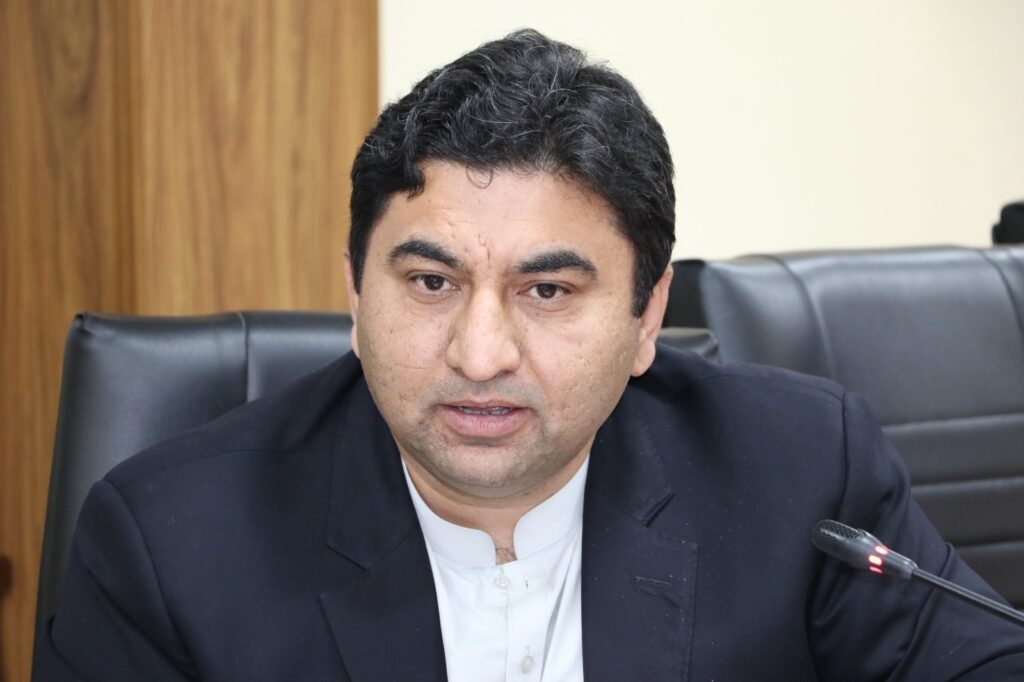
The Centre for Afghanistan, Middle East and Africa (CAMEA) at the Institute of Strategic Studies Islamabad organized a roundtable discussion on March 6, 2026, titled “Evolving Situation in Iran and Pakistan’s Policy Response.” The event brought together former diplomats, leading academics, and prominent practitioners to examine the ongoing developments in Iran and assess their implications for the region as well as Pakistan’s current and future policy outlook.
ISSI Roundtable Discusses Iran Crisis and Pakistan Policy
The discussion focused on the evolving situation in Iran following recent military developments in the region. Participants observed that the situation remains highly tense after recent strikes carried out by the United States and Israel and Iran’s subsequent retaliatory actions. These developments, according to the participants, have intensified tensions across the Middle East and raised concerns regarding regional stability and security.
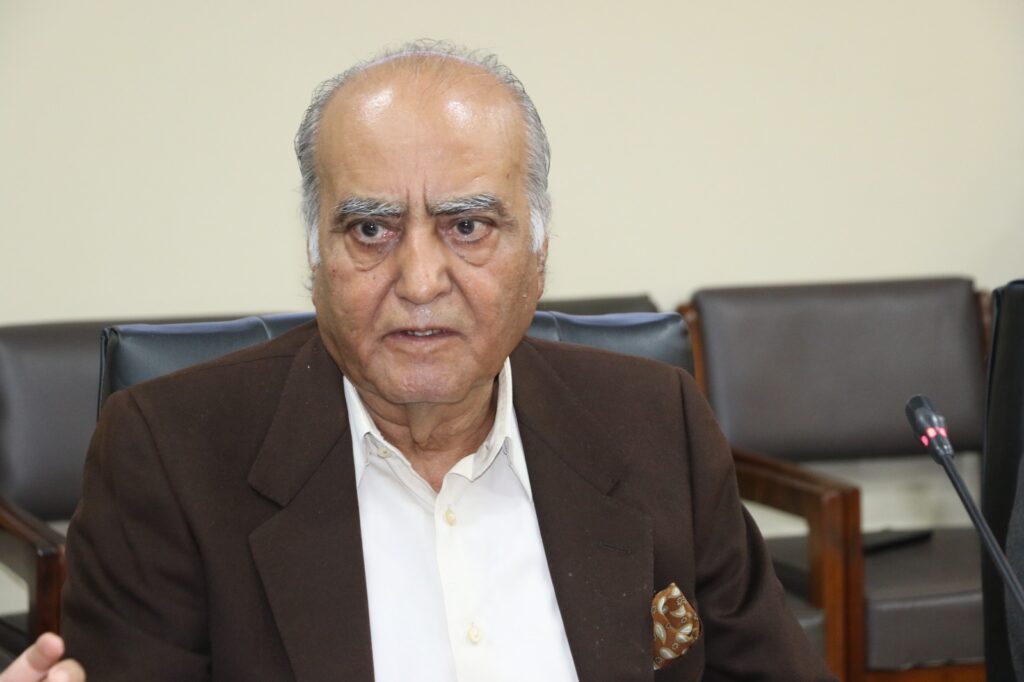
Experts participating in the roundtable examined the broader regional implications of the ongoing developments. They noted that the escalation has contributed to heightened uncertainty across the Middle East and could potentially affect the overall security environment in the region. Participants emphasized that developments in Iran have important implications for regional geopolitical dynamics and require careful policy consideration.
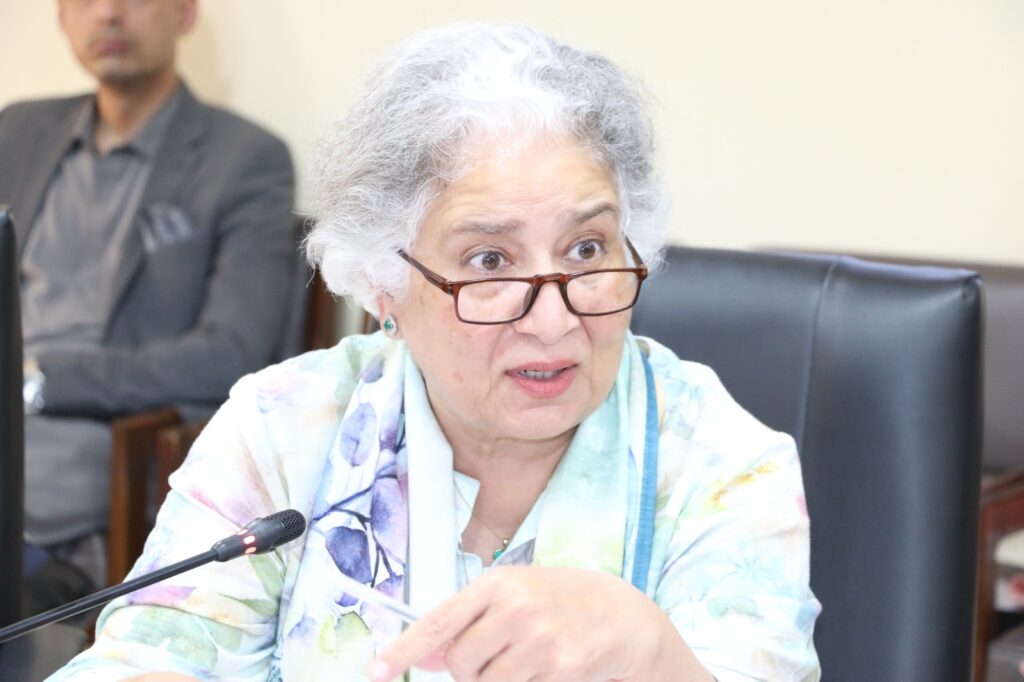
ISSI Meeting Highlights Pakistan’s Potential Mediation Role
The participants also underlined the importance of diplomatic dialogue and engagement as key tools to prevent further escalation. They stressed that sustained diplomatic efforts remain essential in addressing the current tensions and maintaining stability in the region. According to the discussion, dialogue and negotiation were highlighted as necessary approaches to reduce confrontation and manage regional disputes.
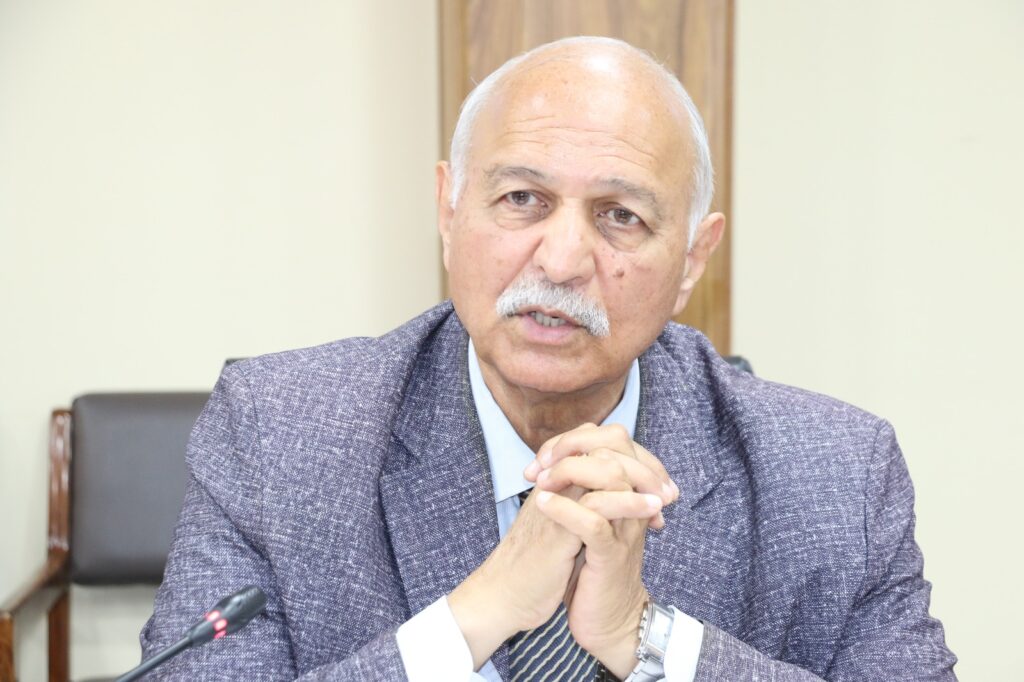
Participants further noted that maintaining regional stability is closely linked to safeguarding Pakistan’s national interests. In this context, they discussed Pakistan’s security considerations and foreign policy priorities in light of the evolving regional situation. The discussion focused on how Islamabad could navigate the changing geopolitical environment while protecting its strategic interests.
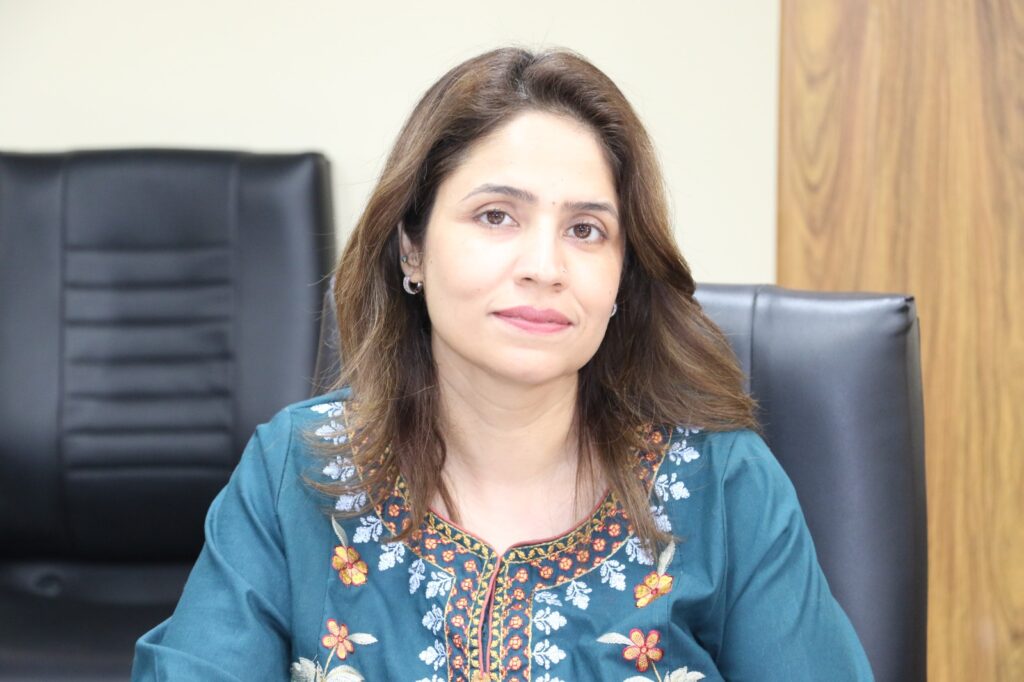
The roundtable also examined Pakistan’s potential role in facilitating diplomatic engagement. Participants highlighted that Pakistan could play a constructive role in encouraging dialogue and promoting regional stability amid increasing uncertainties in the Middle East. The possibility of Pakistan acting as a mediator to support diplomatic efforts was also discussed during the meeting.
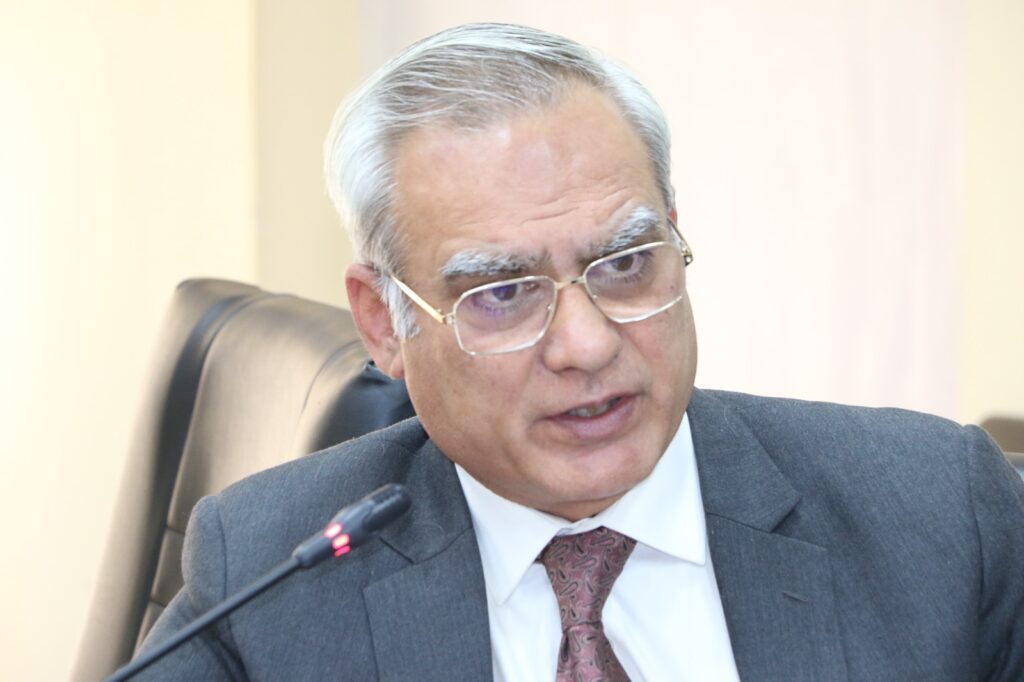
Experts Review Regional Impact of Iran Tensions
Speakers emphasized that regional cooperation and diplomatic channels remain vital in addressing emerging tensions. They noted that proactive engagement and dialogue among regional and international stakeholders could contribute to easing tensions and preventing the situation from escalating further.
The participants also discussed the broader security implications of the current developments and stressed the need for continued policy assessment and strategic planning. They agreed that ongoing monitoring of the situation is necessary in order to understand its potential impact on regional security and Pakistan’s policy direction.
Read Also ; Iran Thanks Saudi Arabia for Refusing Territory Use
According to the organizers, the roundtable served as an opportunity for experts and practitioners to exchange views on the evolving regional environment and to assess potential policy responses available to Pakistan. The meeting allowed participants to analyze developments in a policy-oriented setting while exploring diplomatic approaches to address emerging challenges.
The discussion was conducted under the Chatham House Rule, which allows participants to use the information received during the meeting but does not permit the identification of speakers or their affiliations. This format encouraged open and candid exchange of views among the participants.
The roundtable concluded with a consensus on the importance of diplomatic engagement, regional cooperation, and continued dialogue to manage tensions and support stability in the Middle East while safeguarding Pakistan’s strategic interests.