Foreign Minister Abbas Araghchi Affirms Strategic Respect For Saudi Arabia
Iran’s Diplomatic Overture Toward Saudi Arabia And Regional Security
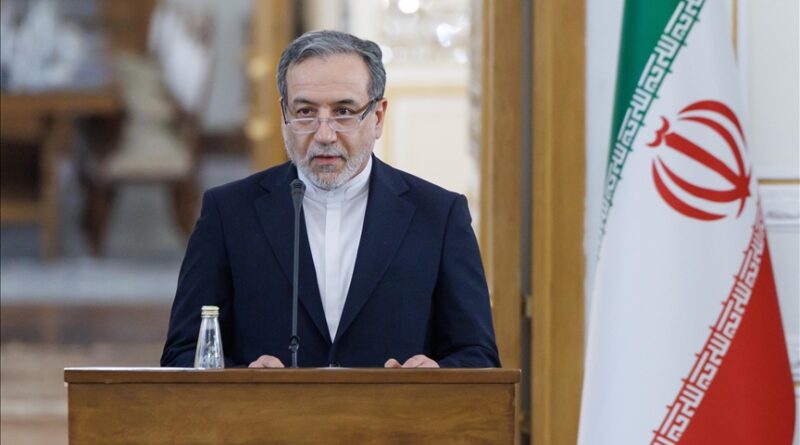
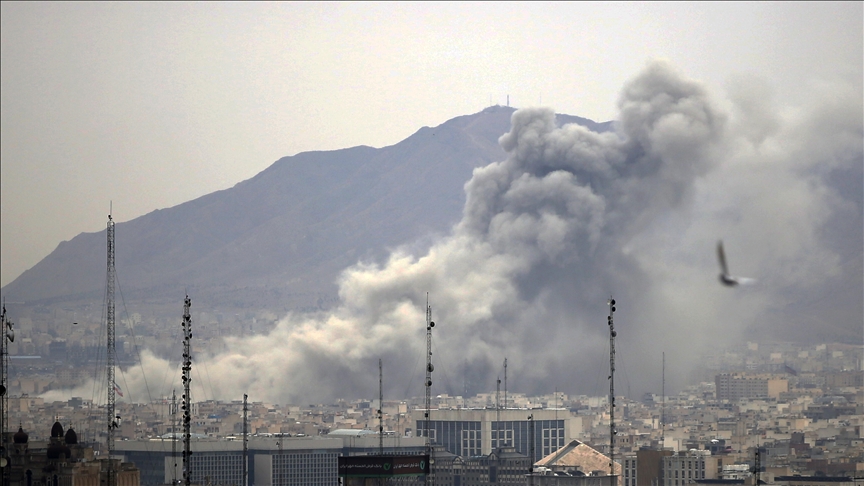
Iranian Foreign Minister Abbas Araghchi has formally expressed Tehran’s respect for Saudi Arabia, characterizing the Kingdom as a “brotherly country” in a significant move toward regional reconciliation. During his remarks, Araghchi clarified that Iran’s recent military operations were strictly directed against “hostile aggressor forces” rather than regional neighbors. He asserted that these foreign powers possess no genuine respect for either Arabs or Iranians and are fundamentally incapable of providing long-term regional security. Araghchi emphasized that the destruction of enemy command and control centers serves as a testament to Iran’s defensive capabilities and its commitment to challenging external military dominance.
The Demand For Foreign Military Withdrawal From The Gulf
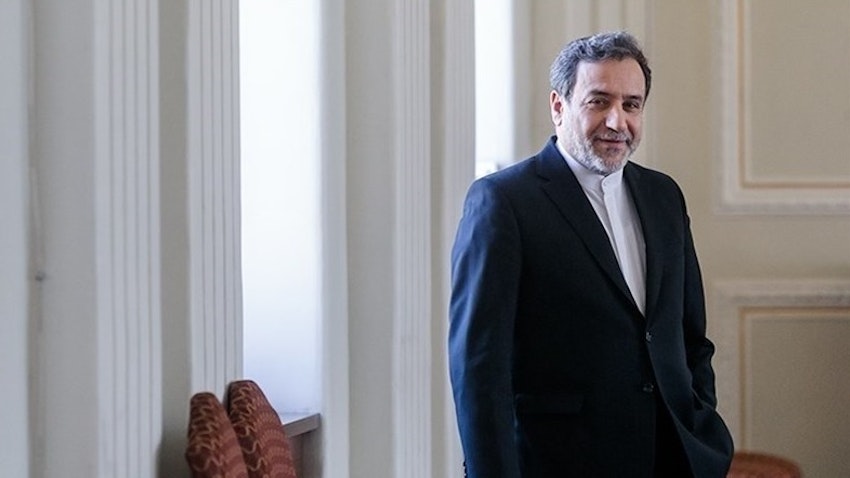
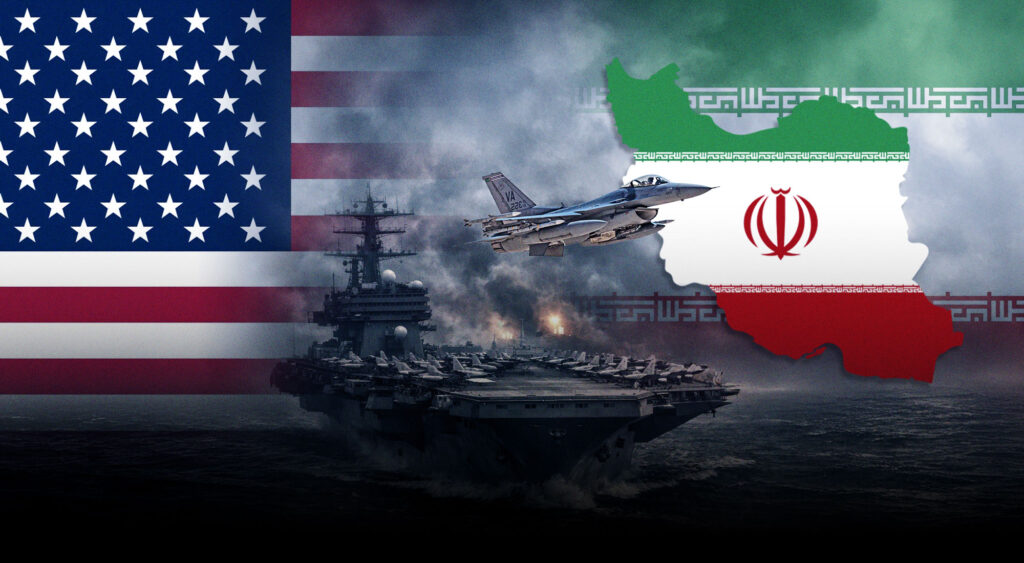
Building on his defense of Iranian sovereignty, Foreign Minister Araghchi declared that the time has arrived for the total withdrawal of United States forces from the Middle East. He argued that the presence of foreign military assets remains the primary catalyst for instability and conflict across the region. By calling for an end to external intervention, Tehran is positioning itself as a proponent of an “indigenous security architecture” where regional powers manage their own affairs without Western oversight. This rhetoric reflects a hardening of Iran’s stance against the U.S. military footprint as tensions with Israel continue to reach critical levels.
Pakistan’s Role As A Guarantor In Potential U.S.-Iran Negotiations
read more ; Pakistan And China Strengthen Strategic Cooperation Regarding Iran
Prominent Iranian scholar Vali Nasr has suggested that Pakistan is playing a pivotal role as a diplomatic intermediary and potential guarantor in clandestine negotiations. According to Nasr, Iran has reportedly sought specific security guarantees from Pakistan in the event of a diplomatic “deal” with the United States. This development provides critical context for Deputy Prime Minister Ishaq Dar’s current visit to Beijing, where he is believed to be coordinating with Chinese leadership to secure the necessary international backing for such an arrangement. If confirmed, this would position Islamabad as a central “bridge-builder” capable of linking the interests of Tehran, Washington, and Beijing.
Complexity And Challenges In Pakistan’s Mediation Efforts
While international observers view Pakistan’s diplomatic activity as a positive step toward a ceasefire, the process remains fraught with complexity. Reports indicate that while Pakistan has offered formal mediation services to prevent a wider war, some Iranian factions have expressed public detachment from these specific efforts, highlighting the delicate internal politics within Tehran. Nevertheless, sources confirm that Islamabad has been exceptionally active in recent weeks, leveraging its unique relationship with all major stakeholders to maintain open lines of communication. The success of this “bridge-building” role depends heavily on establishing mutual trust between the primary combatants.
Experts suggest that the stakes for Pakistan’s diplomacy have never been higher, as the threat of large-scale regional instability looms. The United States has recently issued warnings of “severe consequences” for further Iranian escalations, while Tehran has signaled its readiness for retaliatory strikes. In this volatile environment, the coordinated efforts of countries like Pakistan and China are seen as essential for global stability. These diplomatic maneuvers aim to transform the current military standoff into a structured dialogue, though analysts warn that serious and integrated diplomatic actions are required to overcome the deep-seated mistrust between the parties.
Ultimately, the evolving situation underscores the necessity of a multifaceted approach to Middle Eastern peace. Whether through Araghchi’s outreach to Riyadh or Ishaq Dar’s high-level consultations in Beijing, the goal remains a cessation of hostilities and the protection of regional infrastructure. As the international community watches these developments, the focus remains on whether Pakistan can successfully navigate its role as a security guarantor. The coming days will be decisive in determining if these back-channel communications can be converted into a formal and sustainable peace framework for the Middle East.