
Government Plans New Levy to Reduce Gas Sector Circular Debt
The government is considering a plan to gradually eliminate the circular debt in Pakistan’s gas sector by increasing consumer levies, according to official sources. The proposal includes imposing an additional levy of Rs5 as part of broader efforts to address the growing financial burden within the energy sector.
Sources said the government has already informed the International Monetary Fund (IMF) about the proposal aimed at resolving the circular debt issue in the gas sector. Under the suggested mechanism, recoveries generated through petroleum levy collections would be used to gradually reduce the accumulated debt over time.
Petroleum Pricing Committee Reviews Fuel Supply and Market Risks
The plan is still under consideration and will require IMF approval before the government can move forward with its implementation strategy. Officials indicated that once approval is secured, authorities will formulate a detailed roadmap for the gradual reduction of the debt burden.
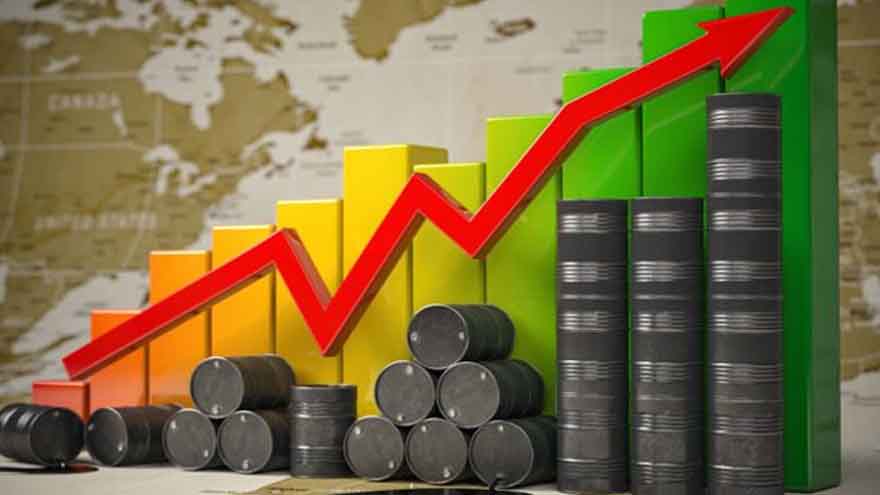
According to sources, the government is also likely to impose levies on petrol and diesel as part of the broader strategy to generate additional revenue for debt reduction. At present, consumers already bear a significant financial burden through existing levies on petroleum products.
Officials noted that the current levy-related burden on petrol and diesel stands at approximately Rs1.2 trillion on a monthly basis. These collections form a major component of the government’s revenue from petroleum products.
Finance Minister Reviews Petroleum Stocks and Supply Chain Stability
The gas sector’s total circular debt has reached around Rs3.4 trillion, reflecting a long-standing structural challenge in Pakistan’s energy sector. Sources said that the principal amount of the debt stands at approximately Rs1.8 trillion.
Under the proposed plan, payments totaling about Rs1.5 trillion would be made over the next three years in an effort to gradually reduce the circular debt burden. Authorities believe the phased payment structure could help stabilize the financial position of the gas sector while maintaining operational continuity.
Read Also ; PM Shehbaz Sharif Says Austerity Savings Will Fund Public Relief
Meanwhile, the committee established to review petroleum prices held a meeting chaired by Finance Minister Muhammad Aurangzeb to assess the broader situation regarding petroleum products and energy supply in the country.
During the meeting, officials conducted a comprehensive review of petroleum product reserves across the country. The committee was briefed on the current stock levels of crude oil and refined petroleum products.
Participants were also informed about petroleum import arrangements and logistics related to the supply chain. Officials provided updates on cargo vessels currently en route to Pakistan carrying petroleum shipments.
Pakistan Considers Fuel Levy Increase Amid IMF Consultations
Authorities further briefed the committee on arrangements being made to ensure additional petroleum cargoes are secured if needed. The briefing highlighted that current petroleum reserves in the country remain at satisfactory levels.
Committee members expressed satisfaction over the available petroleum stocks and confirmed that the fuel supply chain is functioning effectively. They noted that adequate arrangements are already in place to ensure the continuity of supply in the coming weeks.
The meeting also reviewed the latest developments in global crude oil and refined petroleum markets. Officials discussed potential external scenarios and their possible impact on Pakistan’s economy.
The committee was informed that the government is closely monitoring developments in the international energy markets. Officials emphasized the importance of timely planning to manage potential fluctuations in global fuel prices.
Various measures related to fuel conservation and demand management were also reviewed during the meeting as part of efforts to maintain supply stability.
Finance Minister Muhammad Aurangzeb said ensuring uninterrupted availability of petroleum products remains the government’s top priority. He emphasized that authorities are working to keep the burden of petroleum prices on consumers as low as possible.
The finance minister also noted that global energy markets are currently experiencing significant volatility. However, he added that timely planning and coordination have helped maintain a stable supply situation in the country.
He said the committee will continue to closely monitor global market developments, domestic petroleum reserves, and the operational status of the fuel supply chain to ensure sustained energy availability across the country.