Hindutva Policies Criticized Over Minority Treatment
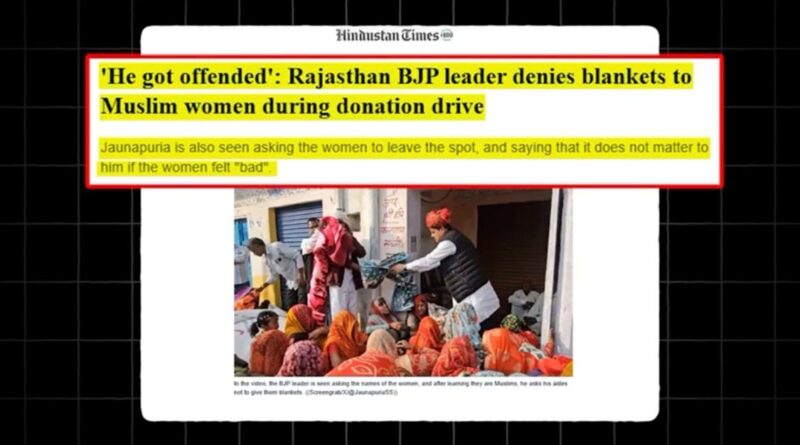
Concerns over rising anti-Muslim sentiment in India have resurfaced after allegations that a senior leader of the Bharatiya Janata Party (BJP) refused relief assistance to Muslim women in Rajasthan, drawing criticism from rights observers and political commentators.
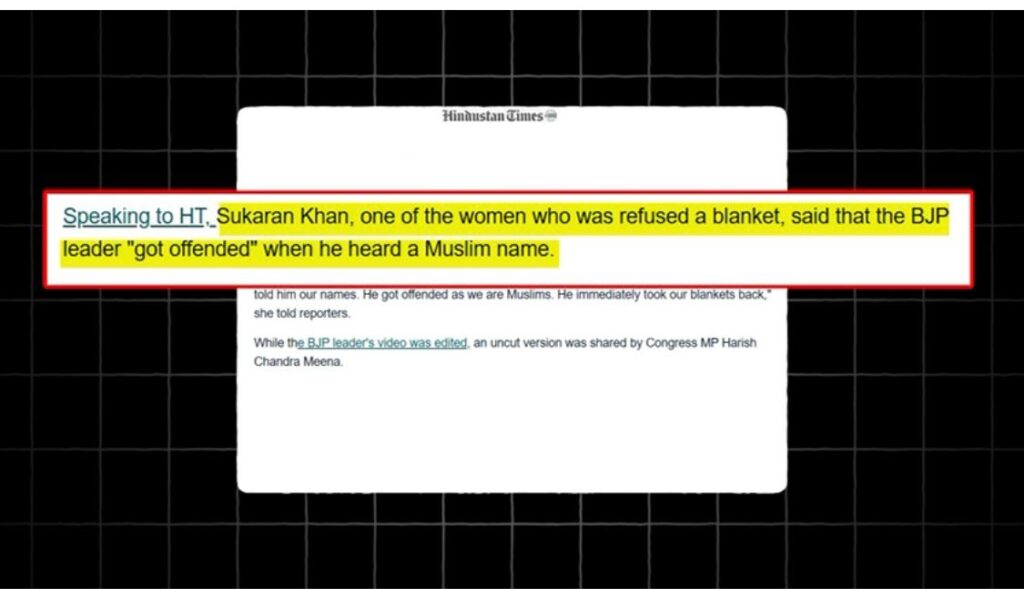
According to reporting by Hindustan Times, the controversy centers on Sukhbir Singh Jaunapuria, who was accused of excluding several women from a public relief distribution program after learning they were Muslim. The report cited statements attributed to the BJP leader indicating that those who criticize Prime Minister Narendra Modi should not expect assistance.
BJP Leader Accused of Discriminating Muslim Women
The incident reportedly took place during a community outreach initiative in Rajasthan, where blankets and other aid items were being distributed. Affected women told the newspaper that once their religious identity became known, they were asked to return the relief goods. They described the exchange as humiliating and discriminatory.
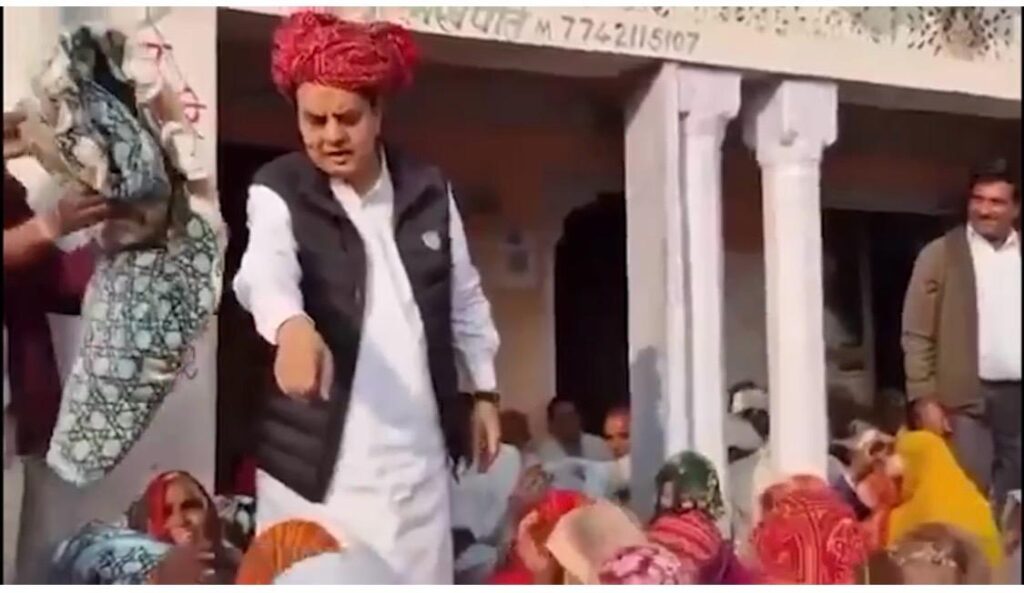
Jaunapuria, according to the publication, stated that he was not concerned if his actions offended the women. He further claimed that individuals who insult or oppose the prime minister do not have the right to benefit from such programs. The remarks have triggered debate on social media and among civil society groups regarding equal access to public assistance.
Relief Denial Sparks Outrage in Rajasthan
Analysts say the episode reflects broader tensions surrounding minority rights in India. Critics argue that the rise of Hindutva ideology — which promotes a Hindu nationalist vision of the state — has coincided with increasing reports of discrimination and hostility toward Muslim communities. Supporters of the government, however, maintain that policies are aimed at national unity and development rather than exclusion.
India is home to one of the world’s largest Muslim populations, comprising roughly 14 percent of its more than 1.4 billion citizens. Observers note that maintaining social cohesion in such a diverse society requires careful adherence to constitutional principles guaranteeing equality and religious freedom.
Minority Rights Concerns Grow Under Modi
Human rights advocates have expressed concern that incidents involving denial of services or inflammatory rhetoric risk deepening communal divides. They argue that public officials must uphold impartiality, particularly when distributing state-supported relief or engaging in community welfare programs.
The BJP has not issued a detailed response to the specific allegations reported by Hindustan Times. Meanwhile, opposition voices have called for accountability and reaffirmation of constitutional protections for minorities.
Report Highlights Rising Anti-Muslim Sentiment India
The broader debate comes amid ongoing discussions about the role of nationalism and identity in Indian politics. While the government highlights economic development initiatives and global engagement, critics contend that incidents of alleged discrimination undermine India’s pluralistic foundations.
Read Also ; Sherry Rehman Defends Sindh’s Constitutional Unity
Political observers note that episodes such as this can have lasting implications for public trust and interfaith harmony. As India continues to navigate complex social and political dynamics, calls for inclusive governance and equal treatment under the law remain central to national discourse.
The situation underscores the importance of transparent investigation and dialogue to address grievances and prevent further polarization. Whether the controversy leads to formal inquiry or policy clarification remains to be seen, but it has once again placed minority rights at the forefront of public debate in India.