Iran Submits Formal Response to U.S. 15-Point Proposal via Mediators
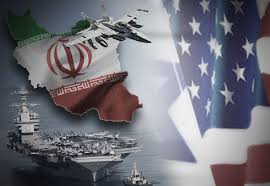
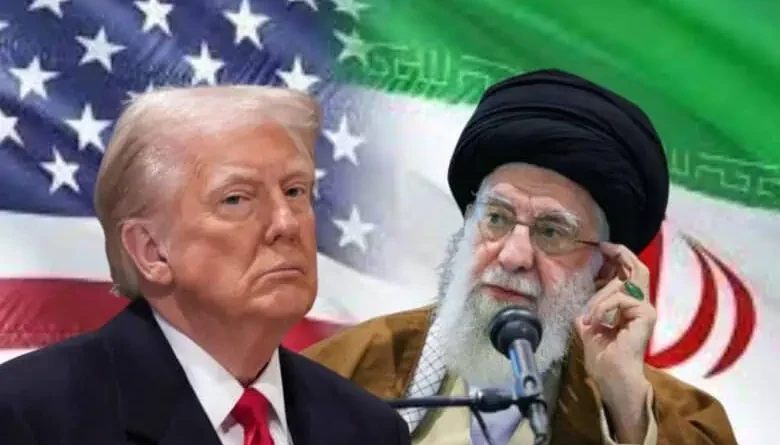
Iran as formally submitted its response to a 15-point proposal presented by the United States, a critical moment in ongoing diplomatic exchanges between the two countries. According to reports from an Iranian news agency, the response was delivered overnight through mediators, underscoring continued indirect communication channels between Tehran and Washington.
Tehran Reviews U.S. Terms, Calls Them One-Sided and Unfair
An Iranian official, speaking to a British news agency, confirmed that the proposals relayed through Pakistan had been carefully reviewed. The official stated that Tehran considers the U.S. proposals to be one-sided and lacking fairness, emphasizing that they primarily serve American and Israeli interests. The official further noted that Iran had conveyed its concerns to Pakistan, highlighting that the proposals did not meet essential requirements from Tehran’s perspective.
The Iranian response comes amid heightened diplomatic activity involving multiple regional players. Pakistan had previously offered to mediate between Iran and the United States, while Türkiye and Egypt have also been actively involved in facilitating dialogue efforts. These mediation attempts reflect broader regional concerns over escalating tensions and the need to establish a pathway toward de-escalation.
read also ; Pakistan expresses solidarity amid rising regional conflict
Despite these diplomatic engagements, the Iranian official indicated that no concrete arrangements for negotiations have been established so far. At this stage, there appears to be no clear plan for direct or indirect talks, raising uncertainty about the immediate future of diplomatic efforts. The absence of a structured negotiation framework suggests that both sides remain far apart on key issues.
Tehran Awaits Washington’s Reaction After Delivering Response
The U.S. proposals were initially presented as part of efforts to secure a ceasefire and reduce tensions. However, Iran has rejected the 15-point plan, describing it as inadequate and misaligned with its expectations. In response, Tehran has put forward five conditions of its own, which it considers necessary for any potential agreement on a ceasefire or broader diplomatic understanding.
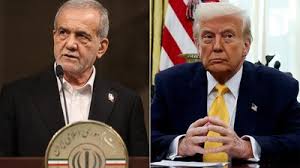
While the specific details of Iran’s counterconditions have not been publicly disclosed, officials have indicated that they are intended to address perceived imbalances in the U.S. proposals. The Iranian stance reflects a broader position that any agreement must account for its strategic and security concerns rather than focusing solely on the priorities of the opposing side.
The development highlights the complexity of ongoing diplomatic efforts and the challenges faced by mediators attempting to bridge differences between the two countries. The involvement of multiple regional actors, including Pakistan, Türkiye, and Egypt, demonstrates a coordinated attempt to facilitate dialogue, though tangible progress remains limited at this stage.
Tehran Reviews U.S. Terms, Calls Them One-Sided and Unfair
Tehran is now awaiting Washington’s response to its submitted position, which will likely determine the next phase of diplomatic engagement. The situation remains fluid, with both sides maintaining their respective positions while leaving the door open for further communication through intermediaries.
As the process unfolds, the lack of immediate progress underscores the difficulties in reaching consensus on key issues. The coming days are expected to be critical in assessing whether diplomatic channels can lead to renewed negotiations or if the current impasse will persist.
Description: Iran formally responds to U.S. 15-point proposals via mediators, rejecting them as one-sided and presenting five counterconditions while awaiting Washington’s reaction.