IRGC Claims Full Control of Strait of Hormuz
IRGC Declares Control Over Strategic Waterway
Mohammad Akbarzadeh, an official with the IRGC Navy, stated Wednesday that the strategic waterway is under the complete authority of the Islamic Republic’s naval forces. His remarks were carried by Fars News Agency.
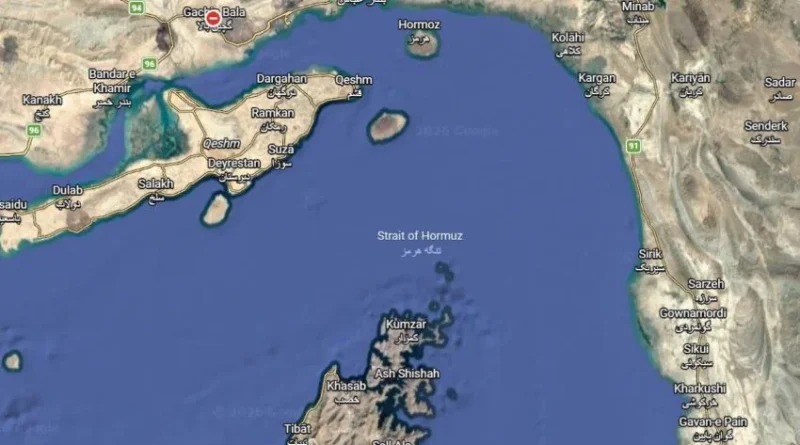
Iran’s Islamic Revolutionary Guard Corps (IRGC) announced that it retains full control over the Strait of Hormuz, a vital maritime corridor through which roughly one-fifth of the world’s oil supply is transported.
The declaration comes amid heightened regional tensions and warnings from the United States regarding freedom of navigation in the Gulf.
Trump Signals Naval Escort Option
US President Donald Trump has said he is prepared to deploy the US Navy to escort oil tankers through the Strait of Hormuz if necessary. The statement reflects growing concerns in Washington over the security of commercial shipping in the region.
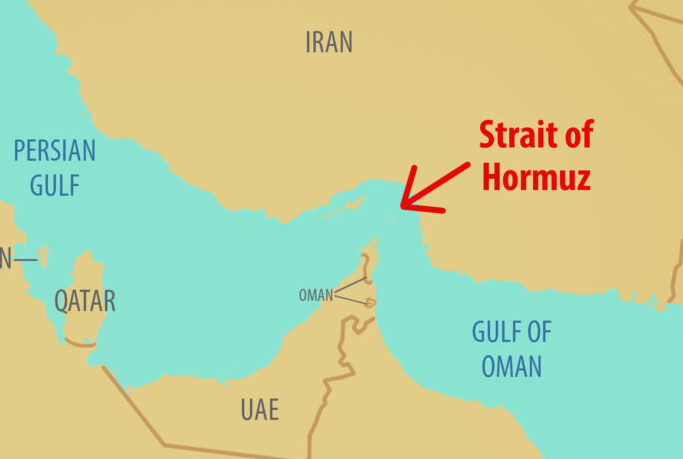
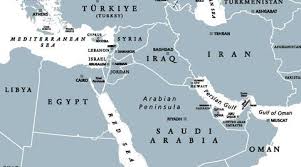
The narrow waterway, which connects the Persian Gulf to the Arabian Sea, is one of the most strategically significant maritime routes in the world. Any disruption to shipping through the strait has immediate implications for global energy markets and supply chains.
Tanker Reportedly Sails Through Strait
Despite assertions of tightened control and restrictions, a report by Reuters indicated that, in a rare voyage, an oil tanker successfully transited the Strait of Hormuz en route to a port in the United Arab Emirates to load crude oil.
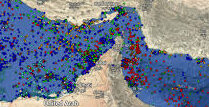
According to the report, the tanker Pola switched off its Automatic Identification System (AIS) tracker late Monday as it approached the strait. The vessel later reappeared on Tuesday off the coast of Abu Dhabi, based on ship-tracking data and sources cited by Reuters.
The reported transit contrasts with claims that maritime passage through the strait has been restricted amid the ongoing conflict.
Shipping and Air Cargo Disruptions Intensify
The broader US-Israeli war with Iran is increasingly disrupting global supply chains. Shipping activity has been affected by reported closures in the Strait of Hormuz, while regional airspace shutdowns have grounded planes carrying air cargo across parts of the Middle East.
Read Also; Focuses on Empowering Pakistani-American Women
According to media reporting from Tehran, cited IRGC statements asserting that it is “impossible for any ships to pass through” the strait and that more than 10 oil tankers had been targeted.
Meanwhile, shipping data tracked by Clarksons Research suggests that approximately 3,200 vessels representing about 4 percent of global ship tonnage are currently idle in the Gulf. The estimate, reported by The Associated Press, includes roughly 1,230 ships that typically operate exclusively within Gulf waters.
The conflicting accounts underscore the uncertainty surrounding maritime operations in one of the world’s most critical energy corridors, as military tensions continue to reverberate across global trade networks.