
Karachi Port Emerges As Global Transshipment Hub
Record Container Handling At Karachi Amid Gulf Crisis
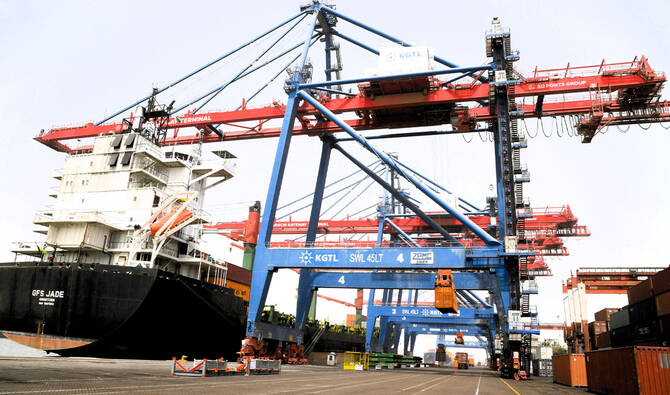
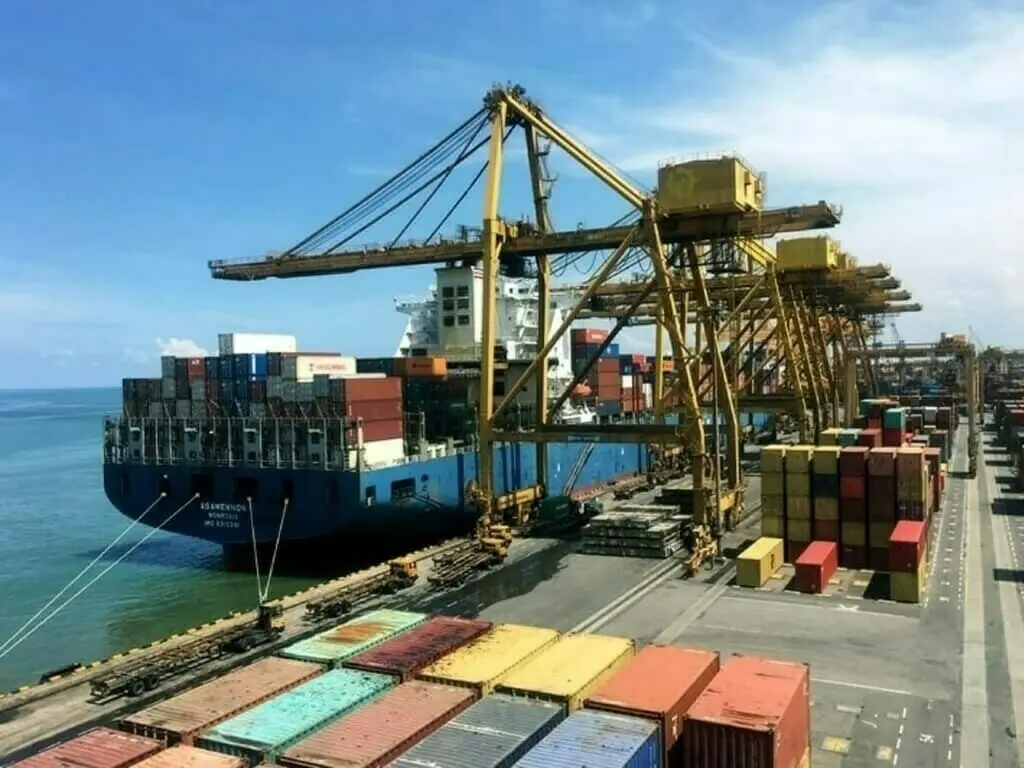
The ongoing geopolitical crisis in the Middle East has unexpectedly positioned Karachi Port as a primary focus for international shipping lines seeking an alternative to disrupted Gulf routes. In an unprecedented surge of maritime activity, Karachi Port has handled a higher volume of transshipment containers in the first 24 days of March 2026 than it did during the entire preceding year. This rapid shift in global logistics highlights how regional instability is reshaping trade corridors, turning Pakistan’s coastal infrastructure into a critical relief valve for stranded international cargo.
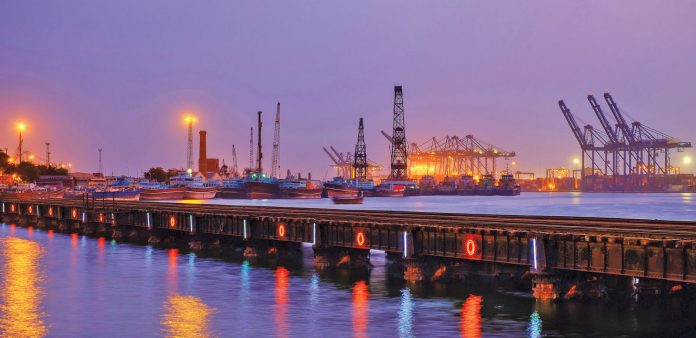
While conflict typically dampens economic sentiment, the current maritime blockade has created a unique set of business opportunities for Pakistan’s port sector. Karachi’s geographic proximity to the Persian Gulf makes it the most viable secondary hub for vessels unable to enter the Strait of Hormuz. Currently, hundreds of ships carrying hundreds of thousands of containers are anchored outside the Gulf, awaiting the reopening of the strategic waterway. To mitigate the immense financial losses associated with idling vessels, shipping companies are increasingly choosing to offload and store their containers at Karachi Port.
Pakistan Ports Capture Market Share From Blocked Hormuz
The statistical surge reflects this strategic pivot. In 2025, Karachi Port recorded a total of 8,300 transshipment containers for the entire year. However, as of March 24, 2026, the port has already processed 8,313 containers. This record-breaking performance is attributed to the arrival of major vessels such as the MV TS Tacoma and MV TS Sydney, which discharged cargo from international lines including TS Line, Heung-A, and Sinokor. These containers are being held in Karachi before being transshipped to regional destinations like Jebel Ali via smaller feeder services as conditions allow.
read also ; Tehran Navy Blocks Foreign Vessels At Hormuz Strait
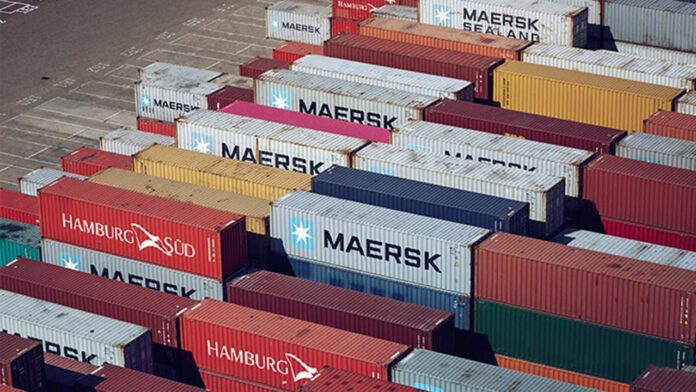
The impact of this shift extends beyond Karachi. Port Qasim and Gwadar Port have also gained significant attention from global shipping conglomerates as they look for alternatives to traditional regional hubs like Dubai’s Jebel Ali, which are currently restricted by the naval blockade. The Federal Board of Revenue (FBR) and the Ministry of Maritime Affairs have responded by relaxing storage rules and offering fiscal incentives, such as a 60 percent concession on port dues for transshipment vessels. These policy shifts are designed to institutionalize Pakistan’s role as a permanent regional transshipment center.
Shipping Lines Reroute To Karachi As Regional Alternative
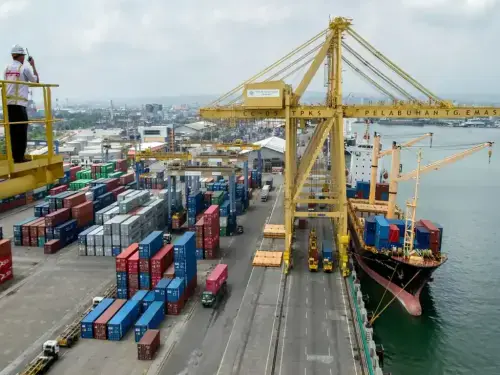
Experts note that the “war-risk” environment in the Gulf has prompted a massive reallocation of logistics assets. While the Strait of Hormuz remains under a de facto blockade by the Iranian Revolutionary Guard, Pakistani ports offer a secure and operationally reliable environment outside the immediate conflict zone. This has allowed Karachi to handle over 15,000 containers across all categories during recent holiday periods, demonstrating an operational capacity that rivals established Gulf ports. The government has further designated 10 acres of land for additional container handling to manage the influx.
Strategic Shift As Karachi Port Breaks Transshipment Records
As the 2026 Middle East crisis continues to disrupt 20 percent of global oil and gas flows, the resilience of Pakistan’s maritime sector provides a rare economic silver lining. The transition from a local port to a global transshipment hub marks a significant milestone for the country’s blue economy. By providing reliable, efficient, and secure services during an international emergency, Karachi Port, Port Qasim, and Gwadar are successfully marketing their strategic potential to the world’s largest shipping operators, ensuring long-term sustainability and growth for the nation’s maritime infrastructure.