Mishal Pakistan Launches 2026 Reforms Report Highlighting Governance Gains
Islamabad: Mishal Pakistan has released the Pakistan Reforms Report 2026, documenting substantial progress in governance and institutional reforms across the country.
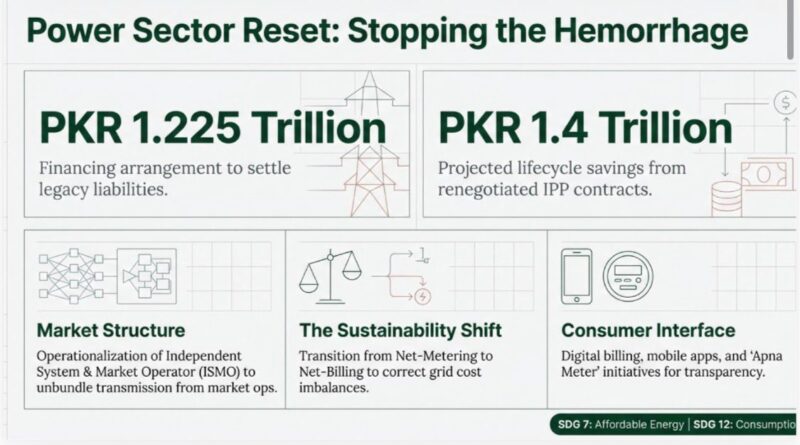
According to the report, over the past year, more than 600 reforms were implemented across 135 institutions, marking a fivefold increase in reform volume compared to last year. The energy sector led the reform agenda, accounting for 40 percent of total initiatives, including new agreements with IPPs expected to generate PKR 1.4 trillion in savings.
In the digital sector, over 200 reforms were implemented through digital platforms, advancing the Digital Pakistan initiative. The report also highlighted progress in the Reko Diq project and gas policy, targeting $11 billion in investment. Structural changes in law, justice, and IT sectors were also recorded, contributing to strengthened governance and institutional capacity.
Mishal Pakistan emphasized that the reforms are aimed at building long-term state capacity and sustaining government stability, with a focus on evidence-based policy-making and transparency. The report also aligns with United Nations Sustainable Development Goals, demonstrating Pakistan’s commitment to international standards despite challenging geopolitical circumstances.
Speaking at the launch, Federal Minister for Climate Change Dr. Musadiq Malik said reforms would continue to prioritize transparent, evidence-driven policymaking, noting that fact-based reporting strengthens public trust. Mishal Pakistan CEO Amir Jahangir described the report as a “document of governance transformation” and said the 2026 edition reflects the growing maturity of the reform process, providing a comprehensive record of Pakistan’s reform journey.
Pakistan Business Forum Calls for Dairy Regulation
Separately, the Pakistan Business Forum (PBF) has urged the government to immediately regulate the dairy sector, citing soaring milk prices. According to PBF, retail milk prices are currently 360–380 PKR per liter, while the cost including logistics is only 180 PKR per liter. Even with GST removal, prices remain 305–315 PKR per liter, compared with 250–270 PKR per liter in India and Bangladesh.
PBF highlighted that major dairy companies earned PKR 60–100 billion in 2025, calling for the government to reduce GST on dairy products to 7 percent and intervene to bring tetra-pack milk prices down by 50 PKR immediately. Ahmed Jawad, PBF spokesperson, stressed that making basic necessities like milk unaffordable undermines broader inflation control efforts.
PakistanReforms #Governance #EnergySector #DigitalPakistan #RekoDiq #LawAndJustice #PakistanBusinessForum #MilkPrices #EconomicPolicy #diplomatsWorld