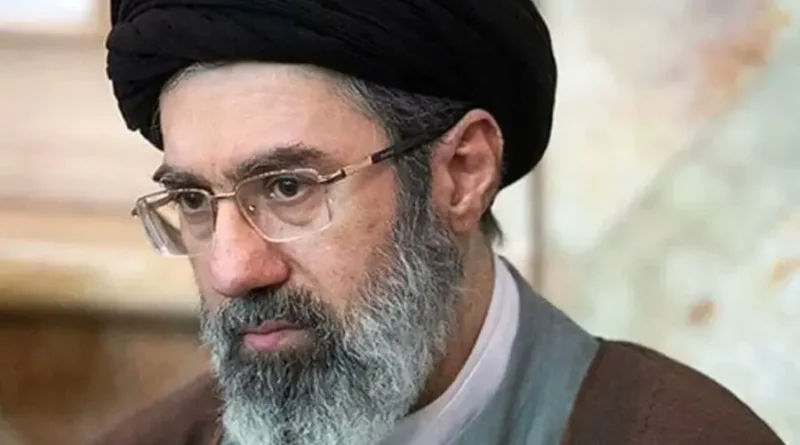
Mojtaba Khamenei Emerges as Potential Successor
Succession Speculation Intensifies After Airstrike
Mojtaba Khamenei, son of the late Supreme Leader Ali Khamenei, has long been regarded as a potential contender to assume Iran’s highest leadership position. Speculation over his future role has intensified after an Israeli airstrike killed his 86-year-old father at the outset of the war last week.
The strike reportedly targeted the supreme leader’s offices and also killed Mojtaba Khamenei’s wife, Zahra Haddad Adel, whose family has longstanding ties to Iran’s clerical establishment.
Despite never having been elected or appointed to a formal government post, Mojtaba Khamenei’s name has frequently surfaced in discussions about succession within the Islamic Republic.
Low Public Profile Amid Ongoing Conflict
A largely secretive figure, Mojtaba Khamenei has not appeared publicly since Saturday, when the airstrike occurred. He is believed to be alive and may have gone into hiding as American and Israeli air operations continue across Iran. State-run media have not disclosed information regarding his location.
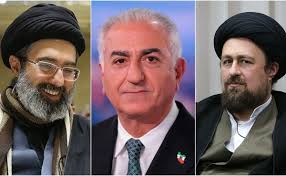
His potential elevation has previously drawn criticism from observers who argue it could resemble a hereditary transfer of power, echoing aspects of Iran’s former monarchy under Shah Mohammad Reza Pahlavi.
However, with his father and wife viewed by hard-liners as martyrs in the conflict with the United States and Israel, Mojtaba Khamenei’s standing may have strengthened among senior clerics.
Assembly of Experts Holds Decisive Authority
Iran’s 88-member Assembly of Experts is constitutionally responsible for selecting the country’s next supreme leader. The body is composed of clerics, many of whom are advanced in age and hold longstanding ties within the religious establishment.
Whoever is chosen will assume control over Iran’s armed forces, currently engaged in active conflict, as well as oversight of a stockpile of highly enriched uranium that could potentially be used for nuclear weapons production, should the leadership authorize such a decision.
Influence Behind the Scenes
Mojtaba Khamenei has been described as occupying a role comparable to that held by Ahmad Khomeini, the son of Iran’s first Supreme Leader Ruhollah Khomeini. Analysts have characterized the position as combining the functions of aide-de-camp, confidant, gatekeeper, and power broker.
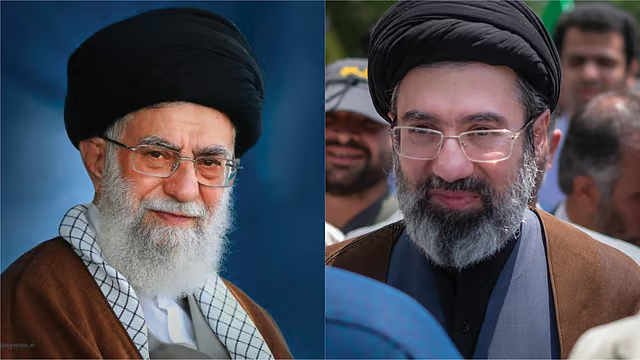
Born in 1969 in Mashhad, Mojtaba grew up during the political unrest preceding the 1979 Islamic Revolution. His father was an outspoken critic of the shah’s rule and was reportedly detained and beaten by the SAVAK, the shah’s secret police.
Read Also ; http://Identifies Four Army Reserve Soldiers Killed
Following the revolution and the fall of the monarchy, the family relocated to Tehran. Mojtaba later served during the Iran-Iraq war in the Habib ibn Mazahir Battalion, a division linked to Iran’s paramilitary forces.
When Ali Khamenei became supreme leader in 1989, Mojtaba Khamenei and his family gained proximity to significant institutional and economic influence, including access to assets managed through Iran’s religious foundations, known as bonyads.
As Iran navigates wartime uncertainty and leadership transition, attention remains focused on the clerical body tasked with determining who will guide the country through a period of heightened regional confrontation.