
Muslim Nations Condemn US Envoy Remarks
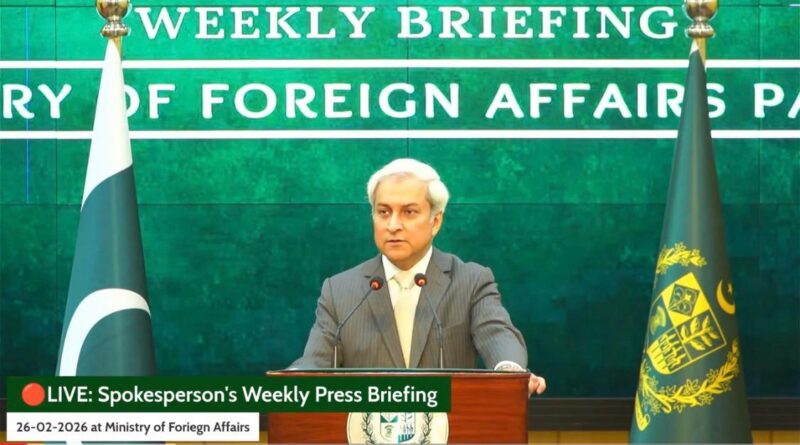
Pakistan’s Foreign Office spokesperson says Arab States and the Gulf Cooperation Council, strongly condemned remarks attributed to the U.S. ambassador to Israel suggesting that it would be acceptable for Israel to control territories belonging to Arab states, including the occupied West Bank.
on Thursday outlined a week of intensive diplomatic engagements, highlighting high-level visits, multilateral coordination, and strong positions on regional developments, particularly the situation in the occupied West Bank.
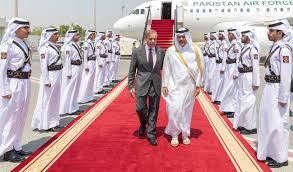
At the start of the weekly press briefing on February 26, the spokesperson detailed Prime Minister Shehbaz Sharif’s official visit to Qatar from February 23 to 24. The visit was undertaken at the invitation of the Ameer of Qatar, Tamim bin Hamad Al Thani.
Pakistan, Arab States Denounce Envoy Statement
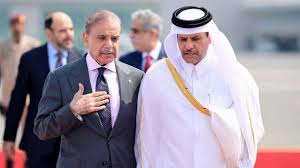
During his stay, the prime minister held a meeting with the Qatari emir, where the two leaders reviewed the full spectrum of bilateral relations. Both sides expressed satisfaction over the positive trajectory of political engagement and emphasized the need to expand cooperation across areas of mutual interest. The Qatari leadership reaffirmed its commitment to elevating economic collaboration with Pakistan to a higher strategic level.
The leaders also exchanged views on regional and international issues, underscoring the importance of dialogue, diplomacy, and peaceful dispute resolution. The Foreign Office described the visit as a reflection of the shared resolve to translate strong political ties into tangible economic outcomes. The Qatari emir accepted an invitation to visit Pakistan later this year.
Ministers Reject Claims on West Bank Control
On the sidelines of the visit, Qatar’s Deputy Prime Minister and Minister of State for Defense Affairs, Sheikh Saoud Al Thani, met Prime Minister Shehbaz. Discussions focused on defense and security cooperation, including ongoing collaboration between the armed forces of both countries. The Qatari side acknowledged the professionalism and expertise of the Pakistan Armed Forces and conveyed interest in further strengthening defense ties.
Meanwhile, Deputy Prime Minister and Foreign Minister Ishaq Dar is visiting the Saudi Arabia from February 26 to 28 to participate in an extraordinary ministerial session of the Organization of Islamic Cooperation Executive Committee.
Arab Bloc Slams Remarks on Occupied Territories
The session has been convened to address what Pakistan described as illegal decisions by Israeli occupation authorities aimed at expanding settlements, pursuing annexation, and attempting to impose Israeli sovereignty over the occupied West Bank. During the meeting, Dar is expected to present Pakistan’s perspective on recent Israeli measures to convert areas of the West Bank into so-called “state land.”
Separately, while in London, Dar held discussions with Azerbaijani Foreign Minister Jeyhun Bayramov. The two reviewed bilateral cooperation and discussed regional and international developments, including the inaugural Board of Peace meeting in Washington, D.C., which both attended. They agreed to maintain close coordination on matters of mutual interest.
OIC Members Criticize US Ambassador Comments
Dar also spoke by telephone with Bangladesh’s Foreign Minister Dr. Khalil ur Rahman, congratulating him on his recent appointment. Both sides expressed a desire to further strengthen bilateral ties and expand cooperation across diverse sectors and multilateral forums.
Read Also ; US Renews Concerns Over Iran Nuclear Efforts
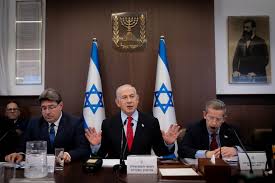
In a broader diplomatic development, the foreign ministers of Pakistan and several Muslim-majority countries, along with the secretariats of the League of Arab States and the Gulf Cooperation Council, strongly condemned remarks attributed to the U.S. ambassador to Israel suggesting that it would be acceptable for Israel to control territories belonging to Arab states, including the occupied West Bank.
They described the comments as dangerous and inflammatory, warning that such statements undermine international law, violate the UN Charter, and threaten regional security and stability.
The Foreign Office also reiterated condemnation of recent Israeli decisions that it said extend unlawful control over the West Bank, including the reclassification of Palestinian land as Israeli “state land,” acceleration of settlement activity, and further entrenchment of Israeli administration in occupied areas.