Panama Supreme Court Ruling Challenges China’s Belt and Road Presence
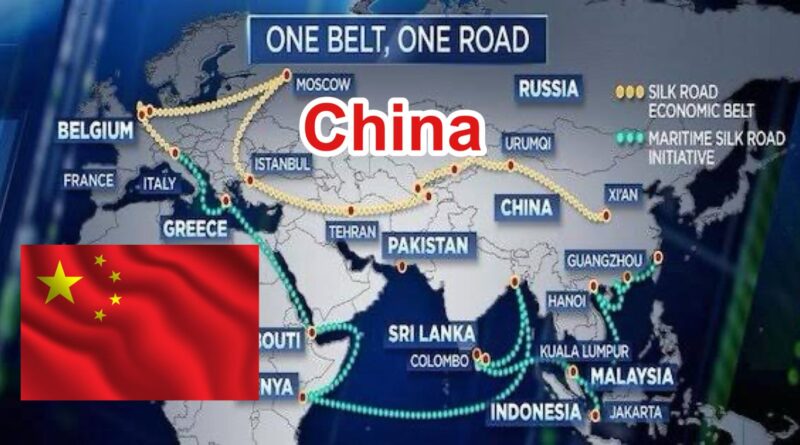
Panama : China’s Belt and Road Initiative (BRI) faces renewed pressure in Latin America following Panama’s Supreme Court ruling declaring the contracts of Hong Kong–based CK Hutchison Holdings to operate ports on both sides of the Panama Canal unconstitutional. The move has been seen as a setback for China’s commercial and strategic interests in the region.
The ruling comes amid ongoing US diplomatic and economic pressure aimed at discouraging countries such as Cuba, Colombia, Bolivia, and Argentina from deepening engagement with China. Analysts say the decision threatens Chinese shipping operations, foreign investment inflows, and the broader expansion of the BRI in Latin America.
China’s Foreign Ministry stated that it will take necessary measures to protect the legitimate rights and interests of its companies. CK Hutchison’s Panama Ports Company (PPC) defended its concession, noting it was awarded through a transparent international bidding process, though the court has invalidated it. Experts warn that the ruling could jeopardize legal certainty in Panama, affecting thousands of local jobs dependent on port operations and potentially destabilizing international trade and investment confidence.
CK Hutchison has operated container terminals at the canal’s Pacific and Atlantic entrances since the 1990s. The ruling also intersects with the company’s planned $23 billion sale of 43 ports worldwide to a consortium led by BlackRock and Mediterranean Shipping Company.
The development is being viewed as a strategic gain for the US, aligning with the former Trump Administration’s goal of limiting China’s influence over the Panama Canal. Observers note that broader US actions—including tariffs on Chinese exports to Mexico, cancellation of Chinese projects in Bolivia, and control over Venezuelan oil signal a strategic push to constrain Chinese and Russian influence in Latin America.
Since joining the BRI in 2017, Panama has gradually realigned with Washington, particularly under Trump’s interventionist approach. China condemned these actions as reflective of a “Cold War mentality,” accusing the US of pressuring countries to abandon the BRI and undermining Beijing’s legitimate interests.
China emphasized that more than 20 Latin American nations remain participants in the BRI and reaffirmed its commitment to long-term cooperation in trade, infrastructure, energy, manufacturing, food security, and technology. Nevertheless, the Panama ruling underscores the intensifying geopolitical competition in the region, often at China’s expense.
Despite these challenges, Chinese officials assert that they will continue pursuing engagement through commercial partnerships, political alliances, and soft power, while reviewing strategies to protect investments and projects across Latin America, Central Asia, Africa, and the Middle East.
China, #Panama, #BeltAndRoadInitiative, #CKHutchison, #PanamaCanal, #USChina, #LatinAmerica, #ForeignInvestment, #Geopolitics, #Trade, #diplomatsWorld