President Trump Claims Leadership Transition Within Iranian Government
President Trump Claims Substantive Change In Iranian Governance
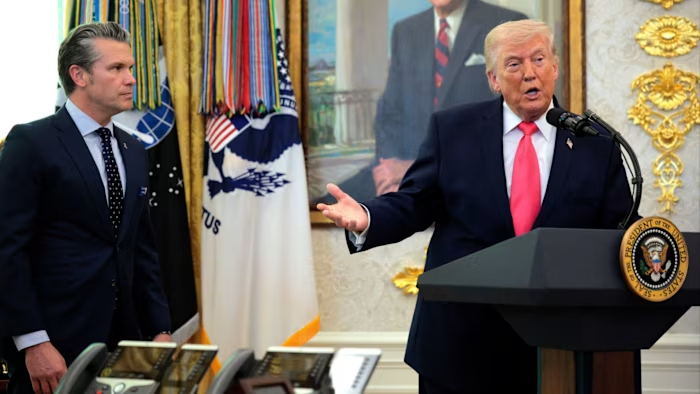
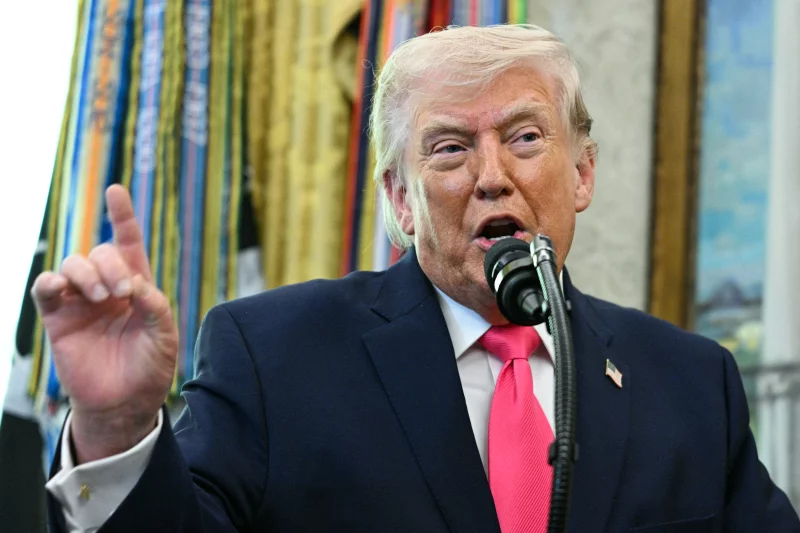
President Donald Trump has asserted that a significant shift in leadership has taken place within Iran, stating that the United States is currently engaging with a “new set of people” following recent military and political developments. In a media interview, the President claimed that the previous administrative structures have been effectively replaced, describing the current negotiators as more “reasonable” and “professional” than those of the past. While Tehran has officially denied any direct negotiations with Washington, Trump maintained that these internal changes have created a new landscape for potential diplomatic resolution, characterizing the situation as a de facto regime change that has already transpired.
Diplomatic Deadline Set For Iranian Parliament Speaker
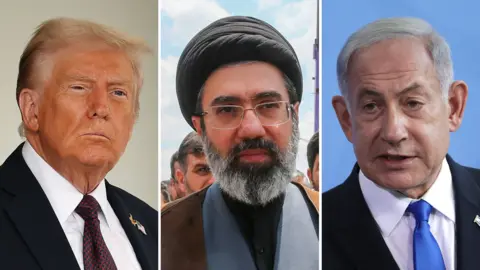
The White House has focused its diplomatic attention on Iranian Parliament Speaker Mohammad Bagher Ghalibaf, with President Trump indicating that the extent of Ghalibaf’s willingness to cooperate will be clarified within approximately one week. Trump suggested that the next seven days would be critical in determining whether the Speaker is prepared to work with the United States to de-escalate the month-long conflict. Despite these claims from Washington, Ghalibaf has publicly rebutted the notion of ongoing talks, accusing the U.S. administration of promoting personal desires as news while simultaneously issuing threats against the Iranian nation.
Uncertainty Regarding The Status Of Supreme Leader Mojtaba
Speculation regarding the health and status of Iran’s Supreme Leader, Mojtaba Khamenei, has intensified following comments by President Trump. The President confirmed that there has been no public news or sighting of the leader recently, suggesting that he may be “very seriously injured” or in “extraordinarily bad shape.” While Trump noted that U.S. intelligence believes the Supreme Leader is likely still alive, he emphasized the severe nature of his condition. This uncertainty at the highest level of Iranian leadership has added a layer of complexity to the ongoing psychological and diplomatic warfare between the two nations as they navigate potential exit strategies from the war.
Threat Of Total Destruction To Iranian National Infrastructure
In a stern ultimatum, President Trump warned that the United States is prepared to broaden its military offensive to include the “obliteration” of Iran’s vital energy and civil infrastructure. Specifically, the President targeted power plants, oil wells, and water desalination facilities—critical sites that he noted have been intentionally spared from strikes until now. This threat is contingent upon the failure to reach a peace agreement and the continued closure of the Strait of Hormuz. Trump emphasized that if a deal is not secured “shortly,” the U.S. will no longer exercise restraint regarding these strategic assets, which are essential for the Iranian civilian population’s basic needs.
read more ; Foreign Minister Abbas Araghchi Affirms Strategic Respect For Saudi Arabia
Reports from the Wall Street Journal suggest that President Trump has also indicated a willingness to end the military campaign even if the Strait of Hormuz remains largely closed, potentially leaving the complex operation to reopen the waterway for a later date. This contradicts some earlier stances but aligns with his desire for a rapid conclusion to hostilities. However, Secretary of State Marco Rubio appeared to temper this by stating the strait would be reopened “one way or another” in the coming weeks. The administration’s dual approach of promising diplomatic progress while escalating threats of total infrastructure destruction reflects a high-stakes “maximum pressure” strategy intended to force a rapid surrender or settlement from Tehran.
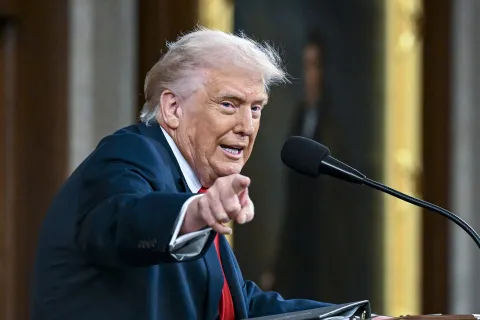
The international community remains on high alert as the April 6 deadline for a potential deal approaches. While the U.S. administration continues to project an optimistic tone regarding the “reasonableness” of new Iranian figures, the lack of substantive progress on the ground and the continued denial of talks by Tehran suggest a significant diplomatic gap. As the U.S. reinforces its military presence in the Middle East with thousands of additional troops, the threat to Iranian energy hubs like Kharg Island remains a central piece of Washington’s leverage. The coming week is expected to be a decisive period for both the regional security architecture and the future of global energy markets.