Romania And Pakistan Formalize Strategic Maritime Cooperation Agreement
Romania and Pakistan have reached a significant milestone in their bilateral economic relations by signing a Memorandum of Understanding (MoU) focused on comprehensive port cooperation. The agreement was concluded during a high-level online ceremony between the National Company “Maritime Ports Administration” S.A. Constanța and the Karachi Port Trust (KPT).
Karachi Port Trust Signs Landmark Memorandum With Constanta
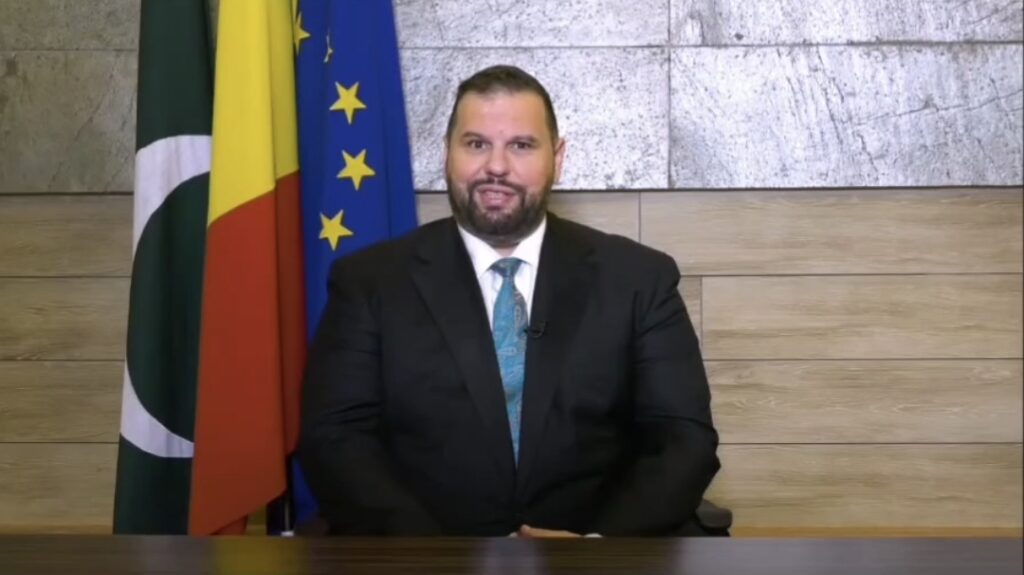
The document was signed by Mr. Mihai Teodorescu, General Manager of the Port of Constanța, and Rear Admiral (Retd) Shahid Ahmed, Chairman of the Karachi Port Trust, marking a new era of maritime synergy between the two nations.
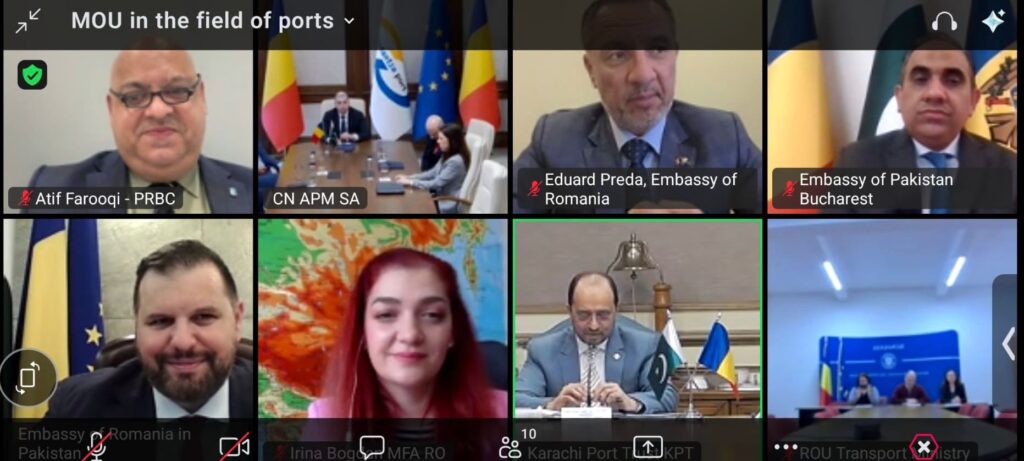
The signing ceremony featured a robust diplomatic and administrative presence, including representatives from the Ministries of Foreign Affairs and Transport of both countries. Key figures in attendance included Ambassador Dan Stoenescu and Ambassador Ilyas Mehmood Nizami, alongside prominent members of the Pakistan Romania Business Council, such as Mr. Sohail Shamim Firpo and Mr. Atif Farooqi.
This diverse assembly reflects the multi-sectoral importance of the agreement, which serves as a foundational element for Pakistan’s burgeoning blue economy and Romania’s strategic role as a logistical gateway to the European Union.
New Maritime Route Links South Asia To Europe
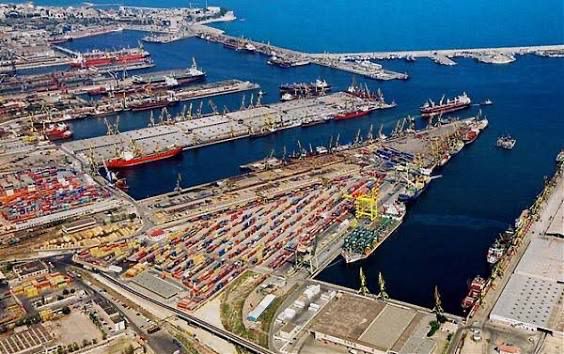
Central to the Memorandum is the shared objective of enhancing connectivity between the Port of Karachi and the Port of Constanța. As one of the largest maritime hubs on the Black Sea, Constanța offers a unique geographical advantage, providing direct access to Central and Western Europe via the Danube corridor.
read more ; Trump Seeks Rapid End To Conflict With Iranian Leadership
This multimodal route allows goods arriving from Pakistan to be efficiently transported through inland waterways across Hungary, Austria, and Germany, eventually reaching major European hubs like Rotterdam. Such a path provides a sustainable and cost-effective alternative to traditional overland or long-circuit maritime routes, optimizing the supply chain for South Asian exports.
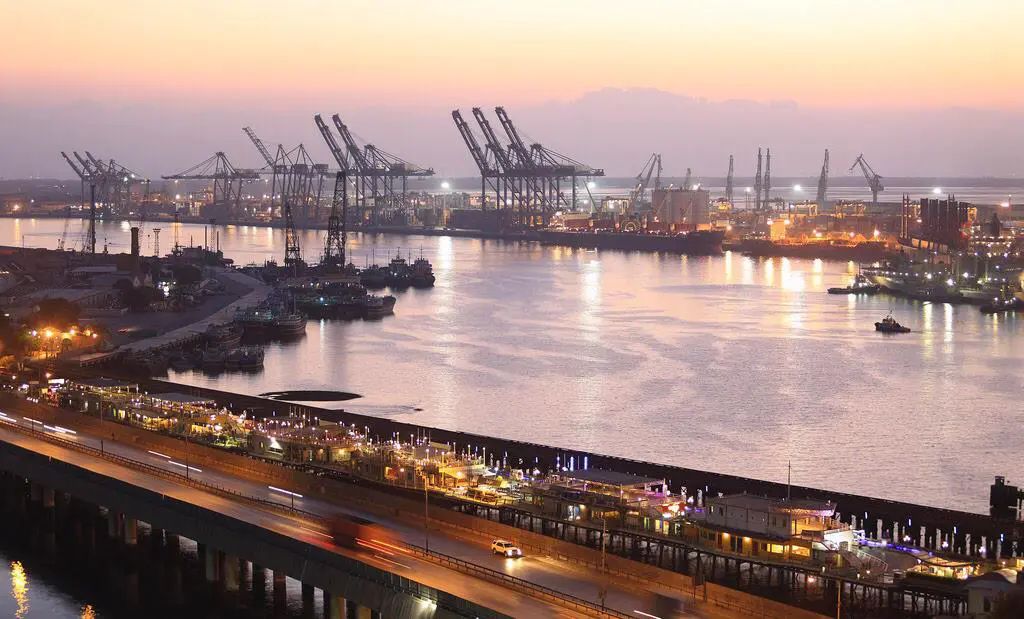
The cooperation framework established by the MoU includes the creation of a joint working group dedicated to training and the exchange of management expertise. Officials anticipate that this collaboration will modernize port operations and streamline trade flows for a variety of commodities.
Officials Enhance Bilateral Trade Through Black Sea Gateway
Romanian exports, particularly industrial machinery, chemicals, and agricultural products, are expected to find easier entry into Pakistani markets. Conversely, Pakistani goods leveraging the European Union’s GSP+ preferential trade scheme—will benefit from more efficient distribution channels into the heart of Europe through the Romanian gateway.
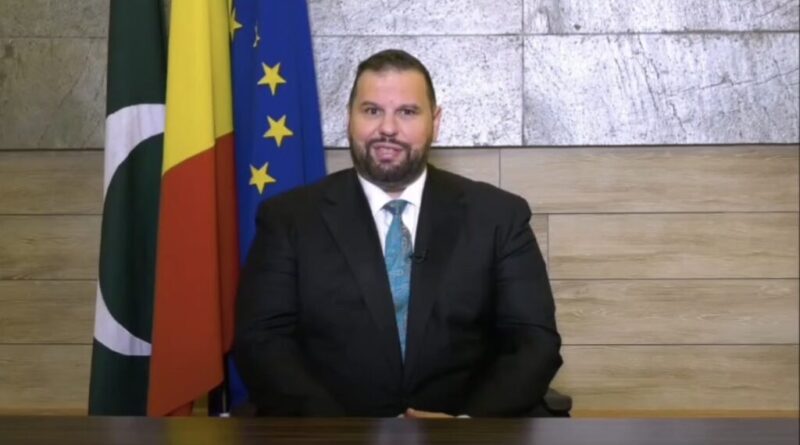
Ambassador Dan Stoenescu emphasized that the initiative is a practical tool for deepening regional integration and balancing trade flows. By expanding Romania’s economic footprint in Asia, the partnership addresses the global need for diversified supply routes and resilient infrastructure.
The agreement builds upon preliminary discussions held in Karachi in 2025, moving from conceptual dialogue to a functional legal framework. This progression is vital as the European Union continues to rely on maritime transport for over 75% of its external trade, necessitating the development of green and digital port infrastructures.
Pakistan And Romania Establish Joint Port Working Group
Ultimately, the Romania-Pakistan maritime partnership aligns with the European Union’s Blue Economy strategy, promoting the sustainable use of ocean resources and innovation. By strengthening the links between Karachi and Constanța, both nations are positioning themselves to better integrate into global value chains.
As existing infrastructure faces increasing global pressure, this forward-looking agreement provides a stable platform for sustainable economic growth, ensuring that both South Asian and European markets remain interconnected through reliable and modernized maritime corridors.