Severe Drought in Kenya Threatens Over Two Million with Hunger
A severe drought in Kenya has left more than two million people facing hunger, with northeastern cattle-raising communities hardest hit, according to the United Nations.
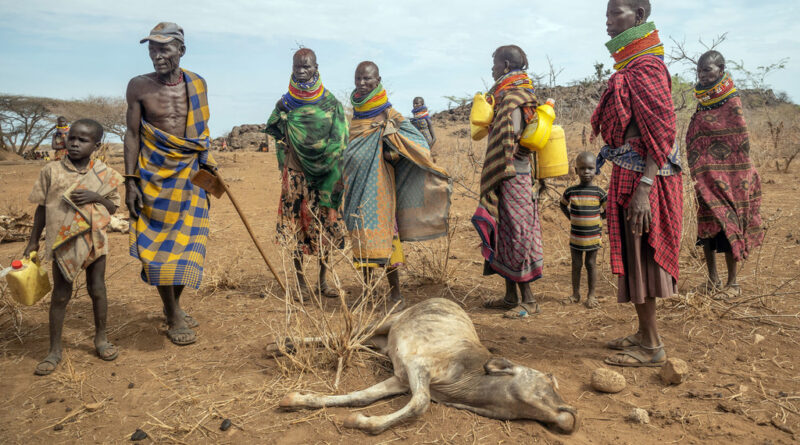
Disturbing images of starving livestock near the Somali border highlight the devastating impact of climate change in the region. Shortened rainy seasons have increasingly exposed communities to drought conditions, with animals often the first casualties.
Current livestock losses echo the crisis from 2020 to 2023, when millions of animals perished across Kenya, Ethiopia, and Somalia. A potential famine in Somalia was narrowly avoided through increased international aid.
The Horn of Africa has endured four consecutive failed wet seasons. The most recent October-December period ranked among the driest ever recorded, with eastern Kenya experiencing its worst drought for that season since 1981, according to UN health officials.
Kenya’s National Drought Management Authority has reported drought conditions in 10 counties. Mandera County, near the Somali border, has reached “alarm” status, with severe water shortages contributing to livestock deaths and child malnutrition.
Neighboring countries are facing similar challenges. The UN’s World Health Organization reported comparable drought conditions across Somalia, Tanzania, and Uganda in late January.
Islamic Relief’s assessment in southern Somalia revealed “shocking food shortages as families flee the region’s worsening drought.” More than three million Somalis have been displaced to camps, where 70 percent of residents in Baidoa survive on one meal or less per day, with children showing visible signs of malnutrition and wasting.
Kenya #Drought #HungerCrisis #HornOfAfrica #LivestockLoss #Malnutrition #Somalia #ClimateChange #HumanitarianAid #diplomatsWorld