Tehran Navy Blocks Foreign Vessels At Hormuz Strait
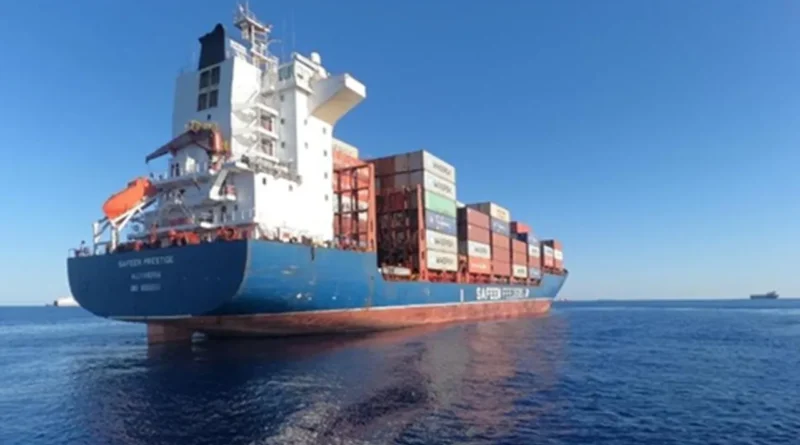
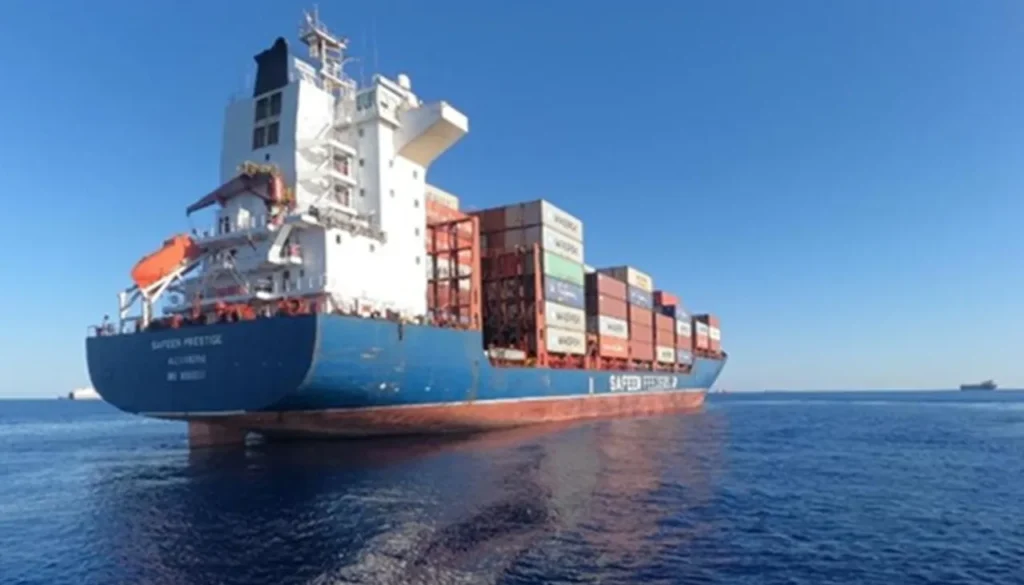
The Islamic Revolutionary Guard Corps Navy (IRGCN) intercepted and diverted three international container ships attempting to transit the Strait of Hormuz on Friday. Iranian military officials issued formal warnings to the vessels, stating that the strategic waterway remains closed to any traffic originating from or destined for “enemy ports.”
IRGC Issues Harsh Warnings To International Cargo Ships
This escalation follows a de facto blockade maintained by Tehran since late February, which has effectively halted the movement of commercial shipping through one of the world’s most critical maritime chokepoints.
According to a statement released by the IRGC on its official news outlet, Sepah News, the three ships were turned back after attempting to enter a designated corridor reserved for authorized traffic. The IRGC claimed the vessels were acting on “misinformation” suggesting the route had been reopened.
Military commanders reiterated that the Strait of Hormuz is currently off-limits and warned that any further attempts to transit without explicit Iranian authorization would result in “harsh measures” and “severe consequences.”
Maritime Crisis Deepens As Iran Blocks Strategic Waterway
The Strait of Hormuz serves as a vital artery for global commerce, facilitating the passage of approximately 20 percent of the world’s daily oil and liquefied natural gas (LNG) supplies. It is also a primary route for the international distribution of fertilizers and petrochemicals.
read also ; Iran Submits Formal Response to U.S. 15-Point Proposal via Mediators
The ongoing disruption has triggered a severe crisis in global energy markets, with Brent crude prices surging past $100 per barrel earlier this month. Industry analysts report that the prolonged closure poses a significant threat to global food security and energy stability.
Geographically, the Strait of Hormuz is only 24 miles wide at its narrowest point, with shipping lanes restricted to two-mile-wide channels for inbound and outbound traffic. This narrow topography leaves commercial tankers with virtually no alternative routes once they enter the area.
Furthermore, Iran possesses a coastline extending nearly 1,000 miles, providing a strategic advantage for the deployment of shore-based anti-ship missiles and unmanned aerial vehicles.
Three Ships Diverted By Iran In Hormuz Strait
Recent data from international maritime monitoring agencies indicates that the IRGC has been involved in at least 19 targeted incidents involving commercial vessels since the current crisis began on February 28, 2026. These incidents include direct missile strikes, drone attacks, and the laying of marine mines.
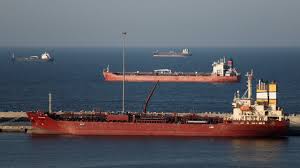
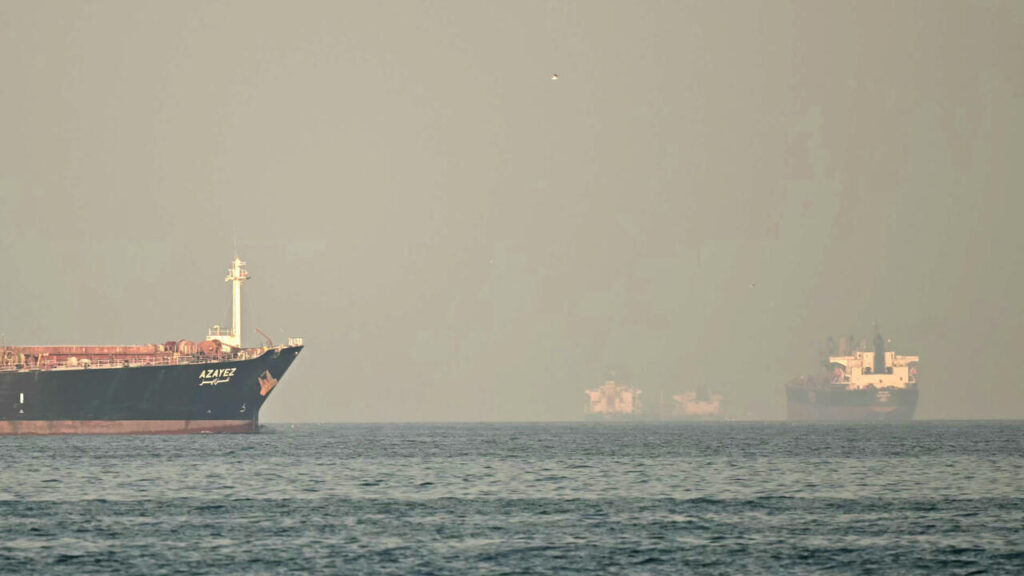
Reports suggest that approximately 2,000 commercial vessels are currently stranded or anchored in the Persian Gulf and Gulf of Oman, unable to proceed due to the high risk of military engagement.
Global shipping conglomerates have largely suspended operations through the region, citing the inability of insurers to provide coverage in a high-risk combat zone. While Iranian Foreign Minister Abbas Araqchi stated that the route remains open to “friendly nations” such as China, Russia, and Pakistan, the de facto blockade against Western-linked vessels has paralyzed standard trade. The United Nations and G7 leaders have condemned the closure, emphasizing that freedom of navigation is a fundamental principle of international law.
The current situation remains volatile as Tehran utilizes its control over the waterway as leverage against international economic and military pressure. With thousands of seafarers stranded and global supply chains fractured, the international community continues to monitor the IRGC’s naval maneuvers.
Military experts warn that as long as Iranian forces maintain their current posture along the 1,000-mile coastal strip, the risk of a broader regional conflict remains high, and the economic impact on global consumers will continue to intensify throughout the 2026 fiscal year.