
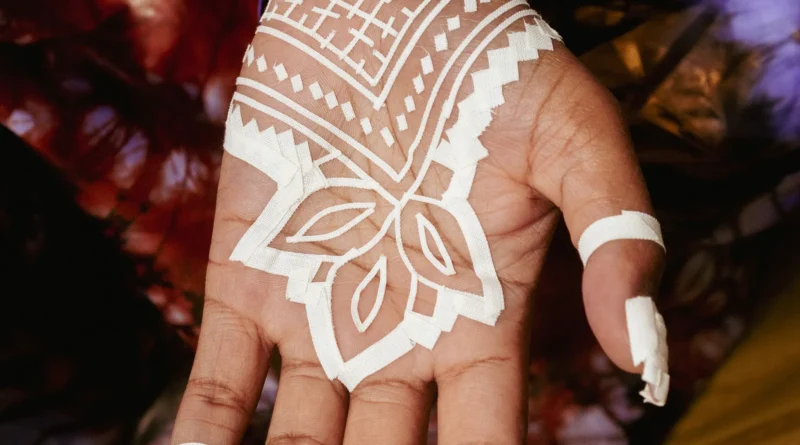
Traditional Djabi Celebrates Malian Wedding Heritage
Across many cultures, a wedding marks a defining transition in a woman’s life, symbolizing the passage from girlhood to adulthood. In Mali, this transformation carries profound cultural meaning, expressed through a series of ceremonies and rituals that can span several weeks. Central among them is the henna ceremony, a deeply symbolic gathering that prepares the bride for marriage and celebrates her heritage.
Bride-to-be Fanta Diabate recently shared her experience with Vogue, describing the henna ceremony as both emotional and transformative. For Malian brides, the ritual is far more than decorative artistry; it represents a sacred pause before entering a new chapter of life.
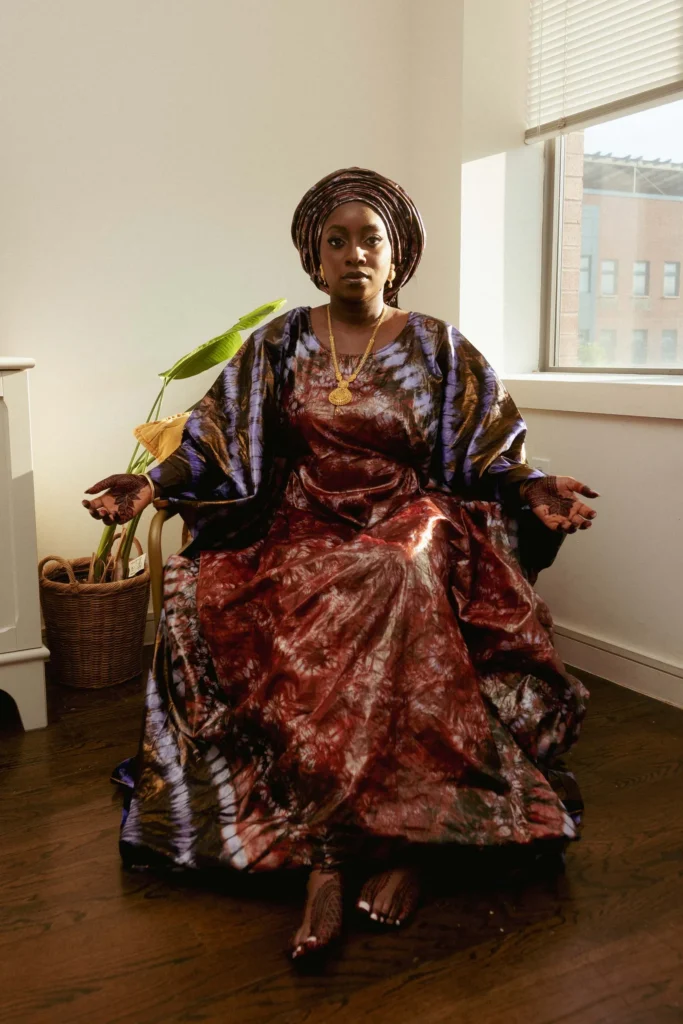
“The henna ceremony really does feel like a rite of passage,” Diabate explained. She described the event as a gathering of women who share wisdom, blessings, and encouragement, reinforcing the bride’s readiness for marriage. The intricate henna patterns applied to the hands and feet announce her status and signal her transition into married life.
For her wedding, Diabate selected artist Djouma Kebe, who was chosen by the bride’s mother to create her djabi the traditional Malian henna design. The selection reflects the communal nature of Malian weddings, where family involvement plays a vital role in preserving customs and passing down traditions through generations.
What distinguishes Malian henna designs from those in other cultures is their striking use of geometric patterns. Straight lines are arranged into repeating triangular motifs that symbolize fish and their skeletons. According to Diabate, these elements carry layered meanings deeply rooted in Malian cultural symbolism.
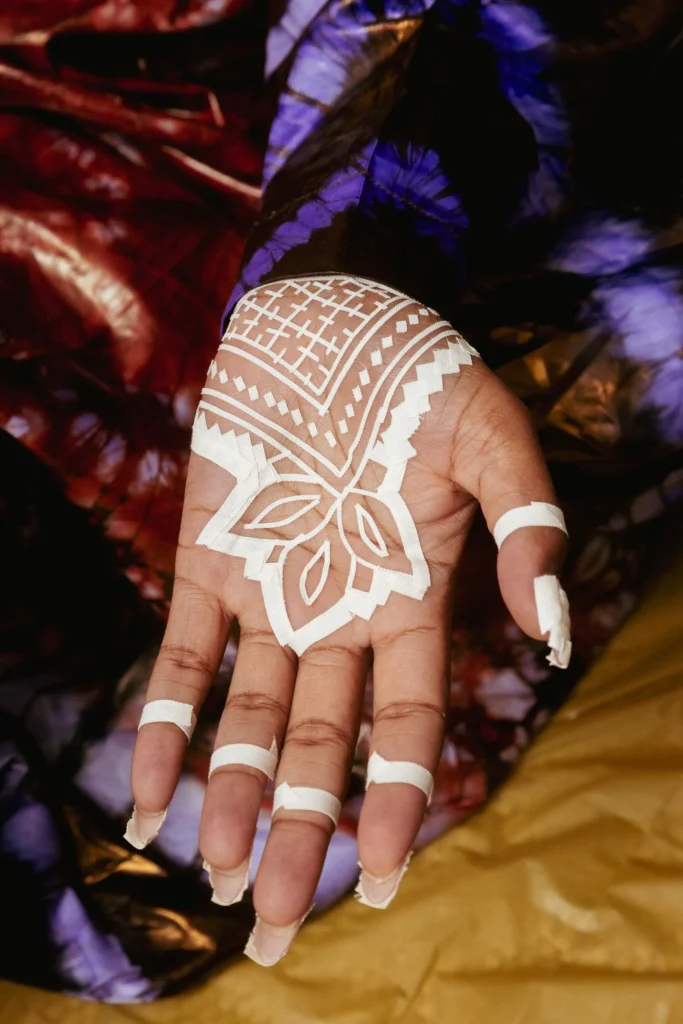
The fish represents abundance and good fortune, qualities considered essential for a successful marriage. The skeletal structure, which cannot easily be separated from the fish itself, symbolizes unity and strength between partners. As the triangular shapes grow larger in the design, they reflect the hope of catching a bigger fish with each attempt a metaphor for growth, prosperity, and shared progress within marriage.
Rather than selecting a fixed design, Diabate provided inspiration to the artist and allowed room for creative expression. This approach ensures that each bride’s djabi remains unique, reinforcing the personal nature of the ceremony. No two designs are identical, emphasizing individuality within a shared cultural framework.
The henna ceremony also serves as a communal celebration, bringing together women across generations. Elders offer advice, prayers, and blessings, creating a supportive environment that bridges the bride’s past and future. The ritual functions as both a farewell to single life and an embrace of marital responsibility.
In Mali, weddings are not confined to a single day. The extended series of events allows families and communities to fully participate in the union, reinforcing social bonds. Through symbolism, artistry, and shared tradition, the henna ceremony stands as one of the most meaningful components of this process.
For Diabate, the experience reflects both personal identity and collective heritage. By honoring centuries-old customs while embracing her own interpretation, she embodies the enduring significance of Malian wedding traditions in contemporary life.