Trauma and Conflict Shape Palestinian Youth: The Story of Wael Mesheh
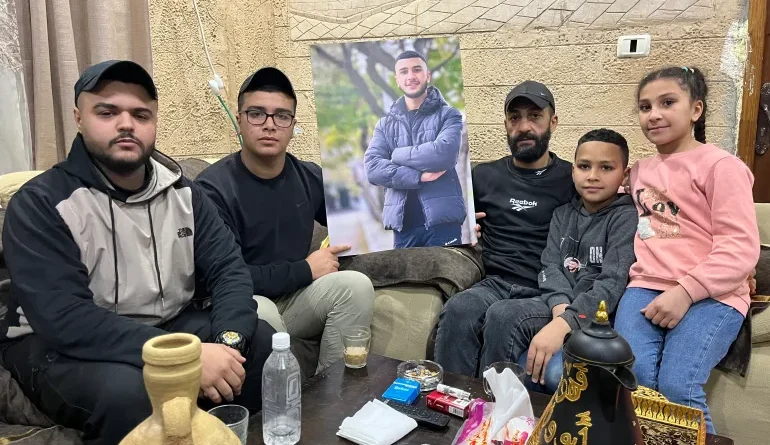
Nablus : Wael Mesheh, a 17-year-old Palestinian from the Balata refugee camp, was killed by an Israeli Defense Forces drone 18 months ago. Before his death, he had aspired to become a computer programmer, but repeated exposure to military violence shaped his path toward armed resistance.
According to his father, Belal Mesheh, Wael had witnessed five relatives and friends killed in nearly daily raids by Israeli forces. “What our family was suffering planted this desire inside him: He always knew he wanted to fight and see his country without occupation,” Belal told International Media
Wael had previously been imprisoned for throwing stones at Israeli soldiers, endured assaults while in detention, and was eventually released in a November 2023 prisoner exchange deal. Following his release, he joined the Qassam Brigades and was killed in August 2024 while confronting Israeli troops near his home in Balata, southeast of Nablus.
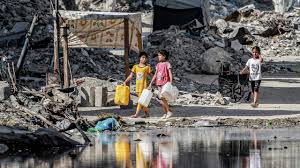
Psychologists in the West Bank describe a pattern of “incessant traumatisation” among young Palestinians in refugee camps, where children face deprivation of safety, play areas, opportunities, and freedom of movement. As the children of refugees denied the right of return, they are exposed to poverty, military violence, and social marginalisation, often becoming drawn into armed resistance.
Belal said Wael’s prison experience, including solitary confinement and torture, reinforced his decision to fight. His death reflects the ongoing cycle of trauma, violence, and resistance shaping life for Palestinian youth in camps across the West Bank.
Amid the ongoing Israel-Gaza war, the focus on trauma and the potential for healing has become urgent. Renowned psychiatrist Dr. James Gordon, who has studied trauma in conflicts around the world—including Israel and Gaza, and Ukraine joins the conversation to discuss its effects.
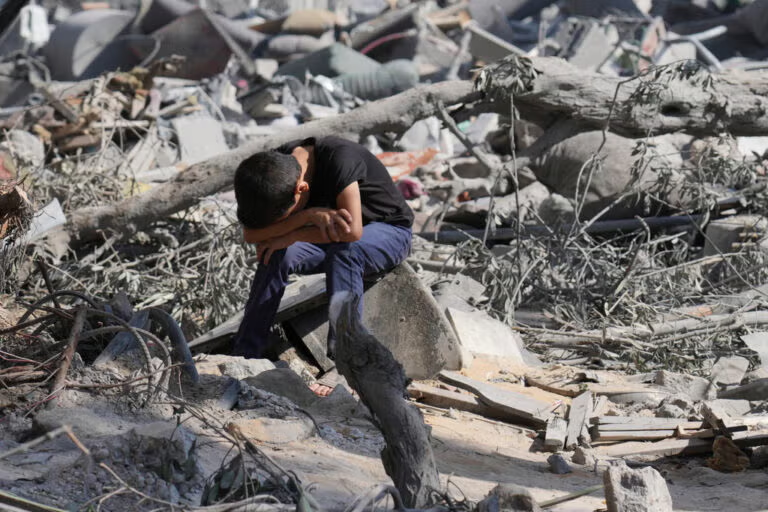
Dr. Gordon has worked extensively with victims of natural disasters, school shootings, and others who have experienced profound personal loss. He highlights how trauma affects the body, the power of the mind to heal, and the importance of self-care in recovery. His insights stress that while trauma can leave deep scars, recovery and resilience are possible through understanding, support, and targeted interventions.
This discussion complements the broader context of the West Bank and Gaza, where prolonged exposure to violence shapes the lives of children, youth, and families, and underscores the urgent need for psychological support alongside humanitarian relief.
#WestBank #Palestine #IsraeliPalestinianConflict #RefugeeCamps #PalestinianYouth #QassamBrigades #HumanRights #diplomatsWorld #diplomatsworld