US proposes 15-point plan to end Iran conflict
Tensions in the Middle East remain high as Iran and the United States exchange sharp rhetoric while behind-the-scenes diplomatic efforts continue to explore a possible resolution to the ongoing conflict.
Iran mocks US as diplomacy continues amid tensions
According to Iranian state media, a military spokesperson mocked Washington’s diplomatic approach, claiming the United States was “negotiating with itself.” Ebrahim Zolfaqari, speaking on behalf of Iran’s Khatam al-Anbiya Central Headquarters, criticized US leadership and dismissed the prospects of alignment between the two sides.
Zolfaqari stated that individuals like Iran’s leadership could not find common ground with their American counterparts, adding that US investments and pre-war energy price stability would not return unless Washington acknowledged Iran’s role in ensuring regional stability through its armed forces.
Despite the hostile rhetoric, reports suggest diplomatic engagement is ongoing. A report by The New York Times indicated that Washington had presented Tehran with a 15-point proposal aimed at ending the conflict. Israeli media outlet Channel 12, citing multiple sources, reported that the United States is seeking a month-long ceasefire to facilitate discussions around the plan.
Strait of Hormuz crisis fuels global energy shock
While details of the proposal remain limited, sources familiar with the matter confirmed that a framework had been shared with Iran. According to Israeli reports, the plan includes provisions such as dismantling Iran’s nuclear program, ending support for proxy groups, and reopening the strategically critical Strait of Hormuz.
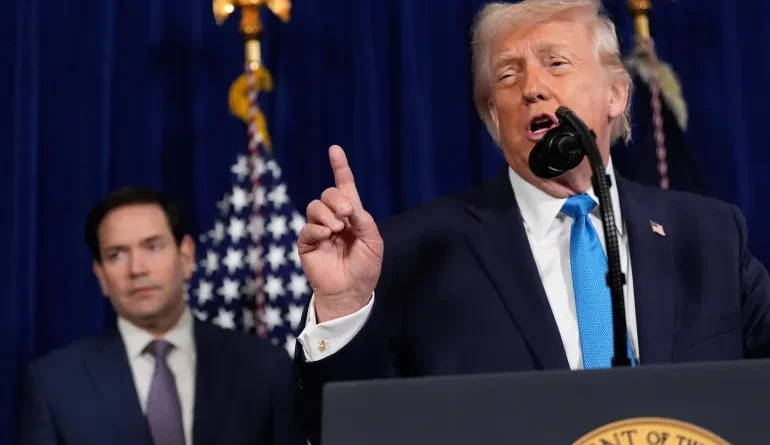
Israeli Prime Minister Benjamin Netanyahu has not publicly responded to the reports. Meanwhile, US President Donald Trump told reporters at the White House that Iran had made what he described as a “valuable concession” related to non-nuclear energy and access through the Strait of Hormuz, though he did not provide further specifics.
Read Also ; https://diplomatsworld.com/trump-extends-deadline-amid-claims-of-iran/
Iran has formally communicated with the United Nations Security Council and the International Maritime Organization, stating that “non-hostile vessels” may pass through the Strait of Hormuz if they coordinate with Iranian authorities. However, the waterway remains effectively restricted following the escalation of hostilities triggered by US and Israeli strikes launched on February 28.
Trump signals concessions as military buildup intensifies
The disruption of the Strait—through which approximately 20 percent of the world’s oil supply typically flows—has caused a severe global energy shock, sending fuel prices sharply higher and raising concerns about long-term supply stability.
Despite diplomatic signals, military activity continues across the region. US, Israeli, and Iranian strikes have persisted, with Washington reportedly preparing to expand its military presence. According to sources cited by Reuters, the United States is expected to deploy thousands of additional troops from its elite 82nd Airborne Division to the Middle East, adding to the approximately 50,000 personnel already stationed in the region.
This buildup has intensified concerns that the conflict could become prolonged, further destabilizing the region and global markets.
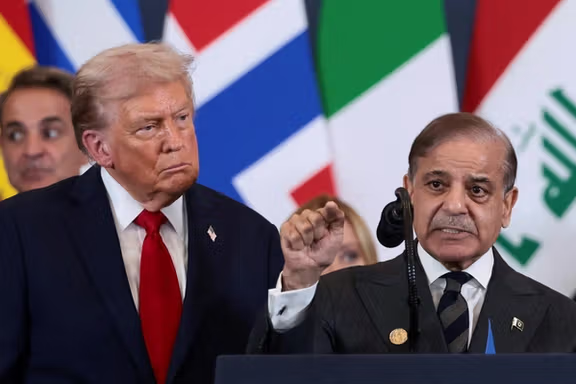
Amid these developments, Pakistan has offered to play a constructive diplomatic role. Prime Minister Shehbaz Sharif stated that Islamabad is willing to host talks between the United States and Iran aimed at ending the war. In a post on X, he emphasized Pakistan’s support for dialogue and expressed readiness to facilitate meaningful and conclusive negotiations for a comprehensive settlement.
A Pakistani government source indicated that discussions regarding a potential meeting are at an advanced stage, suggesting that talks could take place within a week if arrangements are finalized. Pakistan’s longstanding ties with Iran, combined with its evolving engagement with Washington, position it as a potential intermediary in efforts to de-escalate tensions.
Pakistan offers to host critical US-Iran peace talks
The conflict began when the United States and Israel launched strikes on Iran after stalled negotiations over Tehran’s nuclear program, despite mediation efforts by Oman, which had previously indicated progress in talks.
As military actions persist alongside diplomatic initiatives, uncertainty continues to define the crisis, with global attention focused on whether negotiations can prevent further escalation.