
When Kites Return, Hope Rises: Basant’s Emotional Comeback in Pakistan After 19 Years
Written by Special Correspondent
After nearly two decades of silence in the skies, color has returned to Lahore. Pakistan’s iconic spring festival Basant, once banned due to tragic accidents, has made a long-awaited comeback reviving not just a cultural tradition, but a collective sense of resilience, joy, and national healing.
For generations, kite flying has been deeply woven into the cultural fabric of South Asia. In Pakistan, Basant symbolized the arrival of spring, community togetherness, and celebration of life. However, deadly incidents linked to unsafe kite strings forced authorities to ban the festival in 2007, pushing the tradition into enforced dormancy.
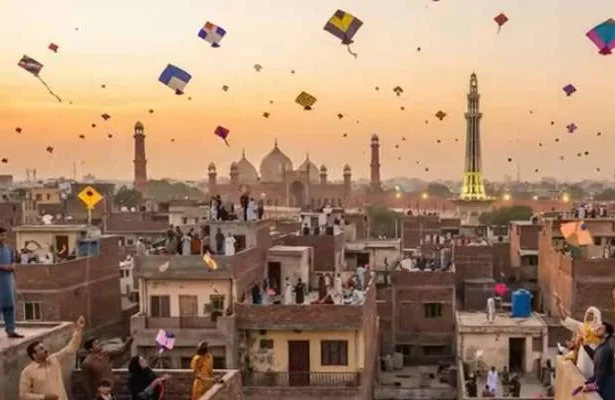
This week, Lahore witnessed history once again. From the narrow streets of the Old City to rooftops across the metropolis, tens of thousands gathered as the sky transformed into a living canvas of color. Families, children, elders, and visitors from across Pakistan and abroad shared moments of laughter, nostalgia, and renewed belonging.
Street corners buzzed with life as food stalls, temporary markets, and neighborhood kitchens reappeared, rekindling an atmosphere long missed. For many, Basant’s return was not merely a festival it was the reclaiming of identity.
Celebration Amid Shadows
The revival coincided with grim news of a suicide bombing near Islamabad, nearly 350 kilometers away. Despite heightened security and national grief, participants chose presence over fear, determined not to allow terror to dominate public spaces or erase cultural joy.
“People coming out in such large numbers is itself a message,” said Syed Mohammad Adil, who attended the festival with his extended family. “It shows courage and hope.”
Retired civil servant Kamran Lashari described Basant as “a massive open-air celebration across rooftops,” highlighting how public culture can become a source of healing.
Learning From the Past
Authorities emphasized that Basant’s return followed strict safety regulations. In the past, sharp and metal coated strings turned competition into catastrophe, causing serious injuries and deaths. This year, enforcement, awareness, and regulation were key to allowing the festival to resume.
Punjab’s Senior Minister Marriyum Aurangzeb called the occasion deeply emotional. “The colors in the sky are the colors of our cultural heritage,” she said, adding that lifting the ban required difficult but necessary decisions. If safety measures remain effective, the government plans to expand Basant celebrations across Punjab next year.
“As a nation, we deserve moments of happiness,” she said.
More Than a Festival
Basant’s return is not only about kites it is about reclaiming joy, restoring cultural continuity, and reminding the world that Pakistan’s story is also one of life, color, and shared humanity.
As the sun set over Lahore and kites danced against the fading light, one truth became clear: traditions may be paused, but hope like spring always returns.
BasantReturns #Lahore #PakistanCulture #KiteFestival #HopeAndResilience #SpringInPakistan #HumanStories