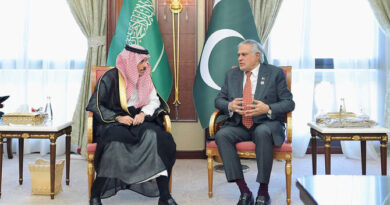

Ishaq Dar Discusses Middle East Situation With Bahrain Counterpart
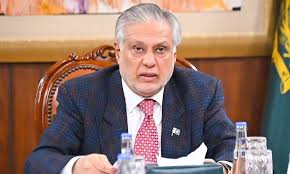
Pakistan’s Deputy Prime Minister and Foreign Minister Senator Mohammad Ishaq Dar held a late-night telephone conversation with Bahrain’s Foreign Minister Abdullatif bin Rashid Al Zayani to discuss the evolving security situation in the Middle East and the wider region.
Pakistan Reaffirms Solidarity With Bahrain Amid Rising Regional Tensions
During the call, the two leaders exchanged views on recent developments across the region, focusing particularly on the rising tensions and attacks that have taken place in several countries. The conversation also addressed the broader implications of these incidents for regional peace and stability.
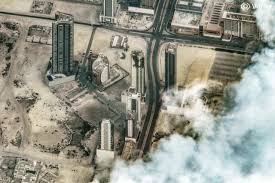
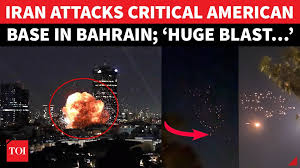
According to Pakistan’s Ministry of Foreign Affairs, both sides conveyed serious concern over the recent escalation of violence, including attacks that have affected Bahrain. The leaders discussed the impact of these incidents and emphasized the importance of diplomatic engagement to prevent further escalation.
Deputy Prime Minister Ishaq Dar reaffirmed Pakistan’s strong solidarity with the government and people of Bahrain. He expressed Pakistan’s support during the challenging situation and emphasized the importance of maintaining close cooperation between the two countries.
Foreign Ministers Exchange Views On Recent Regional Security Developments
Dar highlighted Pakistan’s commitment to supporting efforts aimed at reducing tensions across the Middle East. He underlined that dialogue and diplomatic engagement remain essential for addressing the current challenges facing the region.
The foreign minister also stressed the importance of collective efforts to promote peace, stability, and security across the Middle East and surrounding regions. He noted that recent developments have raised serious concerns about the potential impact on regional stability.
Foreign Ministers Exchange Views On Recent Regional Security Developments
During the conversation, both leaders discussed the need for de-escalation and emphasized that diplomatic channels should remain open to prevent further deterioration of the situation. They agreed that dialogue and cooperation among regional and international partners are essential to reduce tensions and maintain stability.
Pakistan reiterated its position that peaceful solutions and diplomatic engagement are necessary to address conflicts and security challenges in the region. The discussion highlighted the importance of constructive dialogue in managing ongoing tensions and preventing further escalation.
The two foreign ministers also acknowledged the long-standing friendly relations between Pakistan and Bahrain. Both countries maintain close diplomatic ties and cooperation across a range of areas, including political engagement, economic relations, and collaboration on regional and international issues.
Islamabad Stresses Peace And Stability Across Wider Middle East
Officials said the exchange of views reflected the continued coordination between Islamabad and Manama on matters related to regional security and diplomatic cooperation.
Read Also ; Russia Submits UN Security Council Draft Ceasefire Resolution
Pakistan’s leadership has consistently emphasized the importance of dialogue, diplomacy, and peaceful conflict resolution in addressing regional crises. The discussion between the two foreign ministers was part of ongoing diplomatic contacts aimed at assessing developments and promoting stability.

The recent security developments in the Middle East have drawn international attention due to concerns about their potential impact on regional peace and global stability. Countries across the region have been closely monitoring the situation while engaging in diplomatic consultations with partners and allies.
Pakistan Expresses Concern Over Attacks Including Incident In Bahrain
Pakistan reaffirmed its commitment to supporting efforts that promote peace and stability while encouraging all sides to pursue dialogue and restraint.

The telephone conversation between the two foreign ministers underscored the importance of continued diplomatic engagement during periods of regional tension. Both leaders agreed on the need for sustained efforts aimed at reducing tensions and promoting stability in the Middle East and the wider region.