
United Kingdom Deploys HMS Dragon to Secure Hormuz
UK Joins French-Led Naval Mission in Middle East
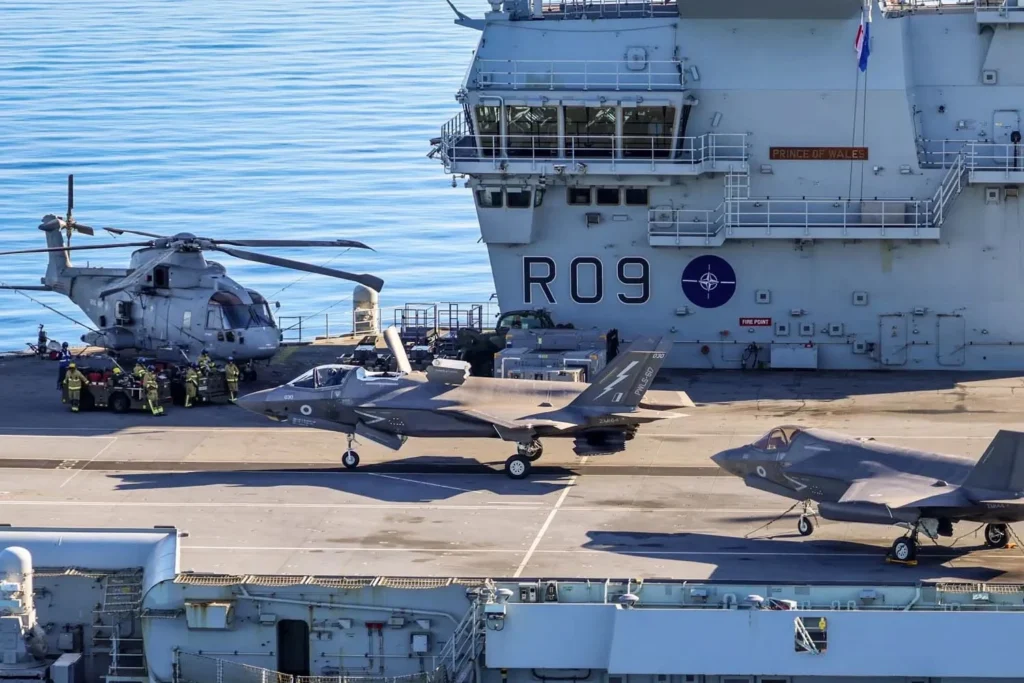
The United Kingdom has officially announced the deployment of the Royal Navy Type 45 destroyer, HMS Dragon, to the Middle East as part of a planned UK-France-led defensive initiative. This mission aims to secure the Strait of Hormuz, a vital maritime corridor currently suffering from a near-closure that has destabilized global energy markets. According to the Ministry of Defence, HMS Dragon is already en route following specialized training and system checks.
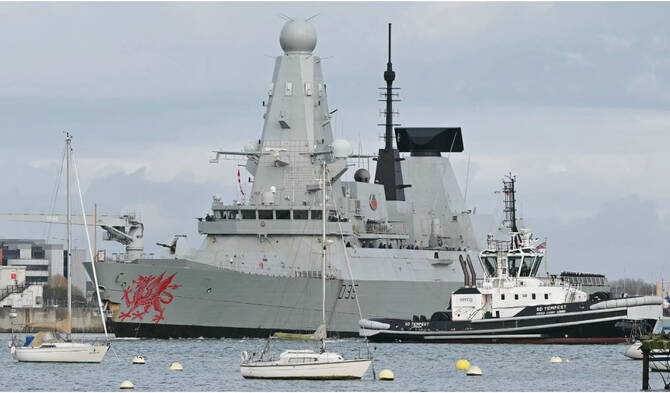
The British package for the mission includes £115 million in funding, approximately $155.4 million, dedicated to autonomous mine-hunting systems, counter-drone technology, and Typhoon jets. British Defense Secretary John Healey clarified during a virtual summit that the mission, which involves at least 40 nations, is designed to be “defensive, independent, and credible.” The deployment marks a shift for HMS Dragon, which was previously stationed in the Eastern Mediterranean to defend Cyprus following the outbreak of the Iran war.
Strategic Independence and Political Constraints in Europe
The decision by the UK and France to launch an independent naval mission reflects complex political dynamics and the need for a contingency plan should the United States conclude its military campaign without resolving the Hormuz crisis. Analysts suggest that European powers are preparing to act independently, particularly as U.S. President Donald Trump has characterized the Strait of Hormuz as a global problem rather than an American one, given U.S. energy self-sufficiency.
Prime Minister Keir Starmer has maintained a measured tone, emphasizing that the mission is “strictly peaceful” and intended to reassure commercial shipping rather than engage in active conflict. This stance highlights a strategic effort to avoid being “dragged” into a full-scale war while addressing the economic necessity of reopening the strait to lower global energy prices. The mission is currently waiting for a “diplomatic opening” between Washington and Tehran before full deployment.
read also ; Six Arab Nations Demand Repeal of Iranian Hormuz Laws
Iranian Response and Escalation Risks in the Strait
Iran has issued a stern warning regarding the presence of extra-regional naval forces near its territorial waters. Kazem Gharibabadi, Iran’s deputy foreign minister, stated that any French or British naval presence alongside U.S. forces would trigger a direct military response from Tehran. In a public statement, Gharibabadi described the deployment under the pretext of “protecting shipping” as an escalation of the crisis and a “militarization of a vital waterway.”
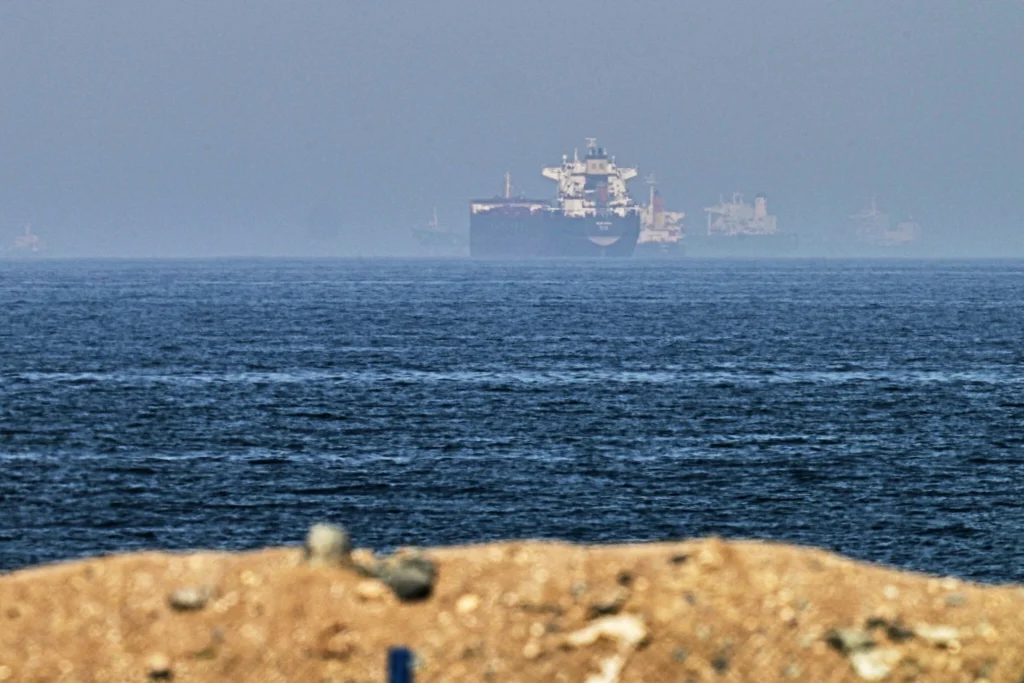
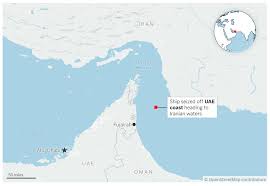
Despite these warnings, France has moved the Charles de Gaulle carrier strike group into the Red Sea. In response to the rising tension, French President Emmanuel Macron attempted to lower the diplomatic temperature, stating that any security mission would ideally be “coordinated with Iran” to restore maritime traffic when conditions permit. However, the recent seizure of a vessel off the UAE coast by unauthorized personnel underscores the persistent security risks in the region.
Unprecedented Supply Shock and Global Energy Outlook
The International Energy Agency (IEA) has warned of an “unprecedented supply shock,” with cumulative supply losses from Middle East producers exceeding 1 billion barrels. Current reports indicate that over 14 million barrels per day are now shut in due to the ongoing restrictions in the Strait of Hormuz. The IEA has significantly revised its outlook, projecting that global supply in 2026 will run 1.78 million barrels per day below demand, a sharp reversal from previous surplus forecasts.
This undersupply is expected to persist through the end of the third quarter of 2026, even if hostilities cease shortly. While the UK-France-led mission aims to bolster confidence among shipping firms and support mine clearance, analysts remain skeptical. They argue that military assets alone cannot solve what is fundamentally a political problem, noting that the shipping industry requires a verified safe and open strait rather than symbolic military gestures.