Six Arab Nations Demand Repeal of Iranian Hormuz Laws
Arab Coalition Files Formal Complaint to United Nations
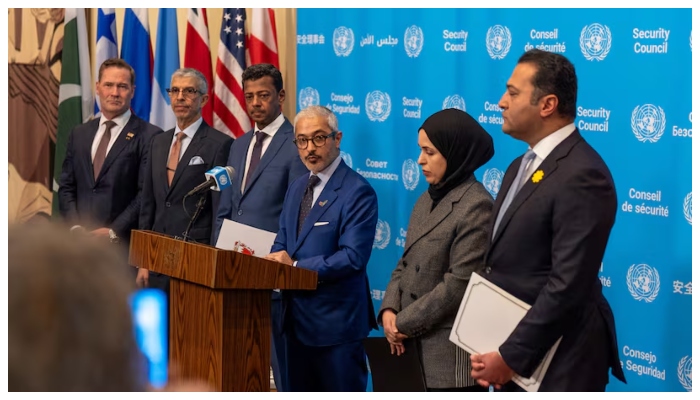
A significant coalition of six Arab nations has formally addressed a letter to the Secretary-General of the United Nations, demanding the immediate withdrawal of unilateral laws imposed by Iran regarding the Strait of Hormuz. The joint diplomatic effort includes Bahrain, Kuwait, Saudi Arabia, the United Arab Emirates, Qatar, and Jordan. These nations have united to challenge Tehran’s recent legislative and administrative actions over one of the world’s most critical maritime corridors.
By escalating the matter to the UN Secretariat, the coalition aims to draw international attention to what they describe as a breach of maritime norms and regional security protocols. The collective move underscores a growing consensus among Gulf and Middle Eastern powers that the management of international waterways cannot be dictated by the domestic mandates of a single regional actor without broader international consultation.
Rejection of Unilateral Legislative Authority in International Waters
The formal correspondence sent to the United Nations explicitly states that no single country possesses the authority to impose unilateral laws or restrictions on a waterway of such global strategic importance. The signatory nations argue that the Strait of Hormuz serves as an international artery, and any attempt by Iran to enforce administrative or legal control over the passage contradicts established international maritime law. The letter emphasizes that such actions undermine the sovereign rights of neighboring states and disrupt the predictable flow of global trade.
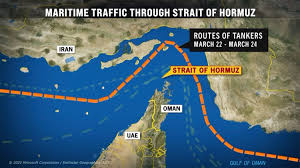
By challenging the legality of Tehran’s mandates, the Arab bloc seeks to establish a precedent that prevents individual nations from leveraging geographic proximity to dictate the terms of passage through shared maritime channels. This stance reflects a broader commitment to upholding a rules-based international order in the face of shifting regional dynamics.
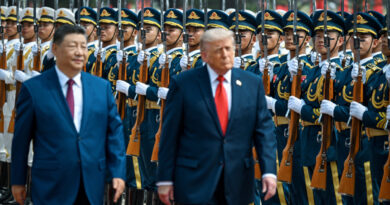
read also ; Chinese President Xi Jinping Urges Diplomacy During Trump Visit
Comprehensive List of Demands for Regional Stability
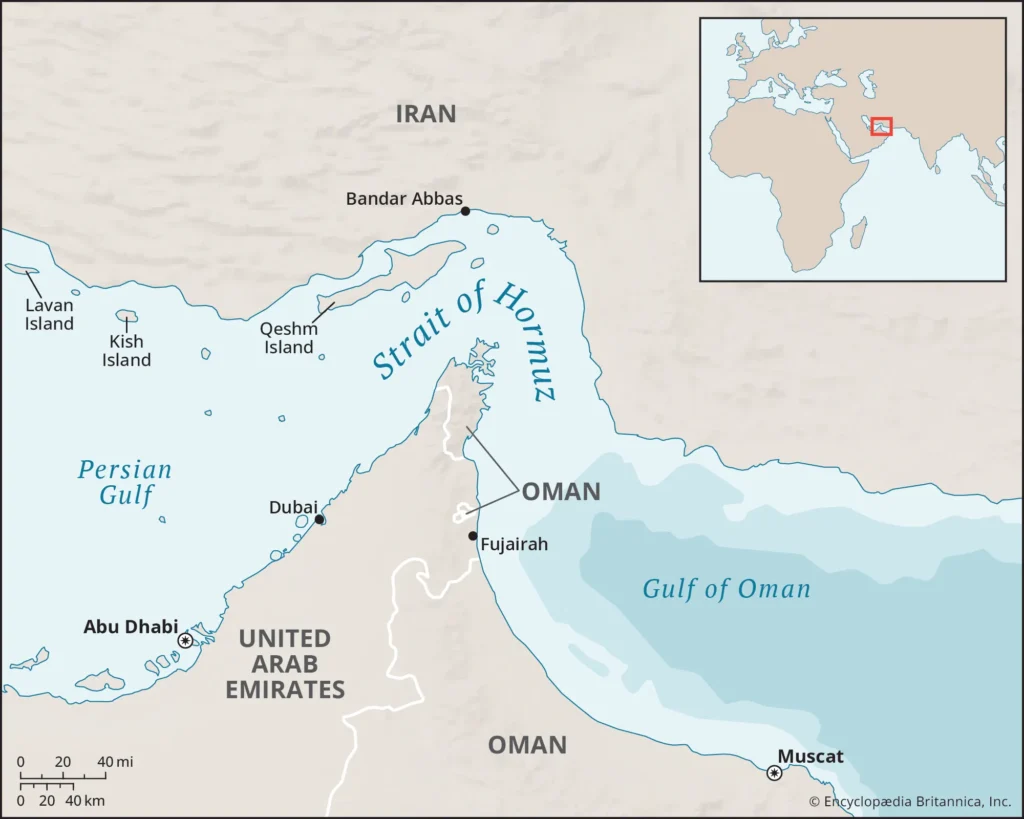
In addition to the call for a legal reversal, the six Arab nations have outlined a comprehensive list of six specific demands aimed at restoring the status quo in the Strait of Hormuz. Central to these demands is the requirement for Iran to withdraw all administrative claims over the strait and to ensure its unconditional opening to international shipping. The coalition insists that maritime passage must remain free from political or military interference to ensure the safety of commercial vessels and the stability of global energy markets.
Furthermore, the letter includes a demand for the payment of compensation for damages incurred as a result of recent disruptions or unilateral enforcement actions. These demands are framed as essential prerequisites for de-escalating tensions and ensuring that the economic interests of all regional stakeholders are protected from arbitrary regulatory changes.
Strategic Implications of the Joint Arab Diplomatic Initiative
The collaborative nature of this petition, involving diverse regional players such as Saudi Arabia, Qatar, and Jordan, signals a unified front against Iranian maritime policy. By presenting a synchronized set of grievances to the United Nations, these nations are moving beyond bilateral friction and toward a multilateral legal challenge. The demand for compensation and the insistence on unconditional access suggests that the coalition is prepared to pursue formal international accountability for any disruptions to the maritime supply chain.
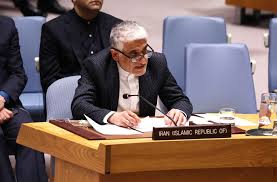
As the UN Secretary-General reviews the communication, the global community remains focused on how this diplomatic pressure will influence Iran’s stance on the Strait of Hormuz. The outcome of this initiative will likely have lasting implications for the security architecture of the Middle East and the long-term governance of international maritime choke points.