North Korea Launches Ten Ballistic Missiles Amid Regional Drills
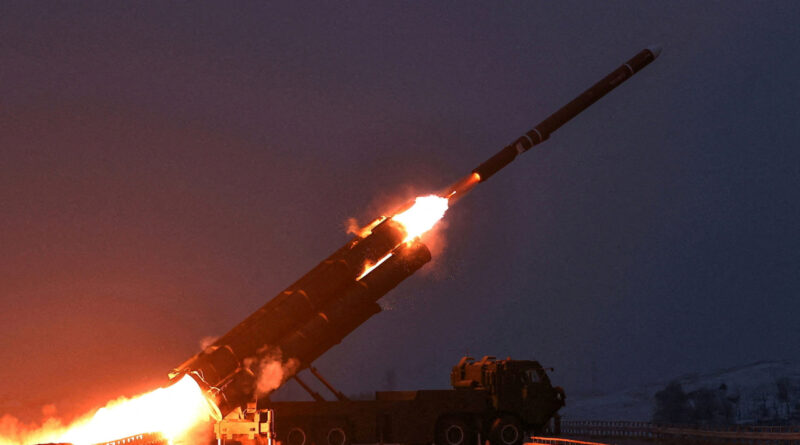
North Korea launched approximately ten ballistic missiles into the sea during ongoing joint military exercises conducted by the United States and South Korea, according to statements released by South Korean military authorities. The launches occurred amid heightened tensions in the region as the allied forces continued their annual defense drills.
Pyongyang Fires Missiles Toward Sea During US-South Korea Exercises
South Korea’s military confirmed that the missiles were fired toward the Sea of Japan, also known as the East Sea, and were detected shortly after launch. In a statement, South Korea’s Joint Chiefs of Staff said the projectiles traveled an estimated distance of about 350 kilometers before landing in waters east of the Korean Peninsula.
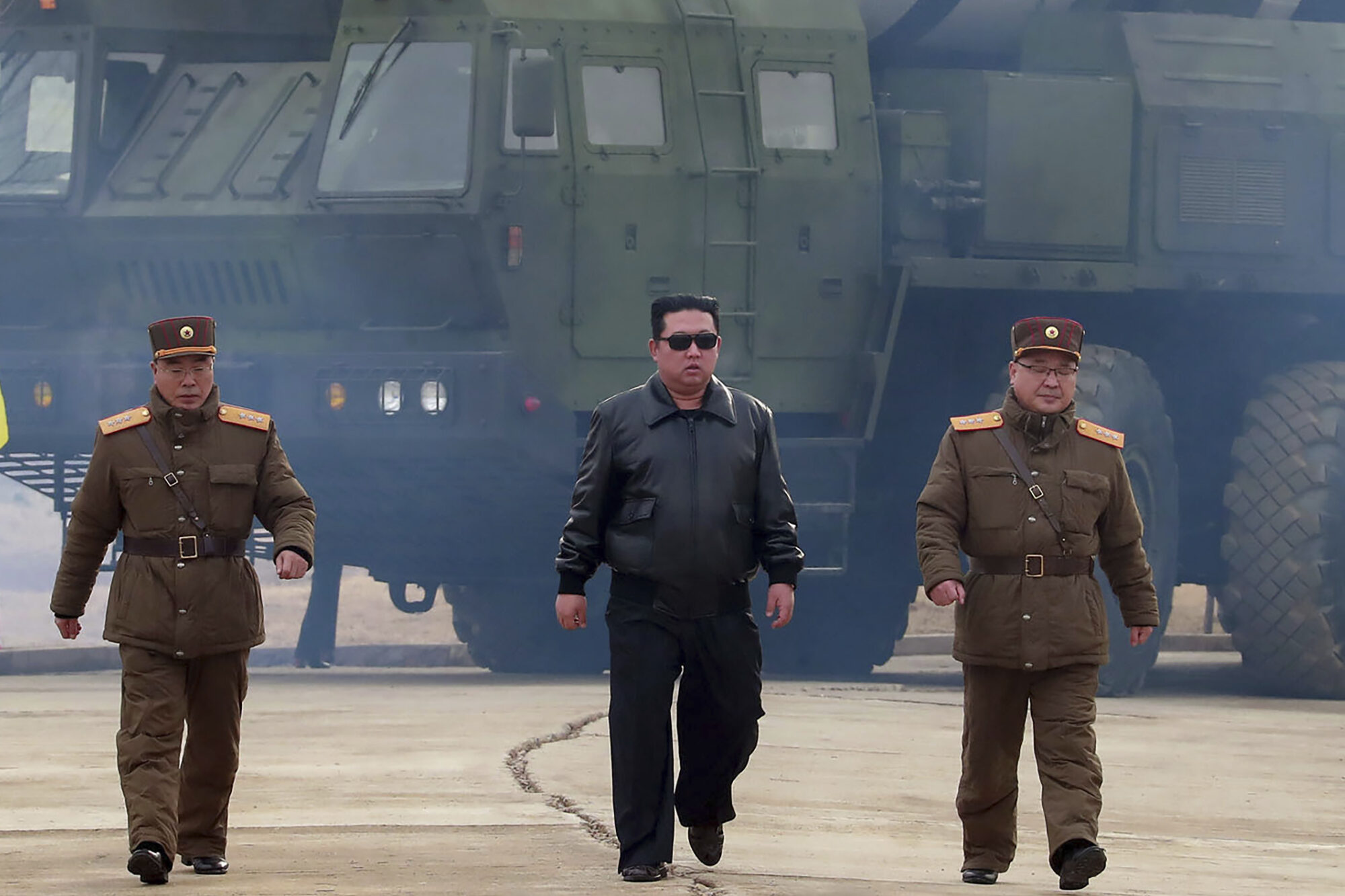
Military officials said the missiles were launched from North Korea’s eastern coastal region, indicating that the tests were likely intended as a demonstration of the country’s missile capabilities during the period of allied military activity nearby.
According to the statement, South Korean defense forces immediately tracked the launches and monitored their trajectory. Authorities in Seoul said they were closely coordinating with the United States and Japan to analyze the details of the launches and assess potential security implications.
South Korea Detects Multiple Missiles Fired From Near Pyongyang
Japan’s Coast Guard also confirmed detecting what it described as a possible ballistic missile. Officials reported that the projectile landed outside Japan’s exclusive economic zone (EEZ), indicating that while the launch did not directly threaten Japanese territorial waters, it still triggered regional security monitoring procedures.
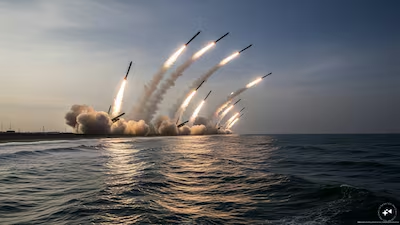
Japanese authorities said maritime safety alerts were issued shortly after the detection to ensure vessels operating in the area were aware of the potential hazards.
Reports from American media outlets cited the South Korean Joint Chiefs of Staff as saying that the missiles were launched from areas near Pyongyang, the capital of North Korea. The launches occurred as large-scale military drills between the United States and South Korea were continuing.
Read Also ; Trump Claims Massive U.S. Strikes Destroy Iranian Military Targets
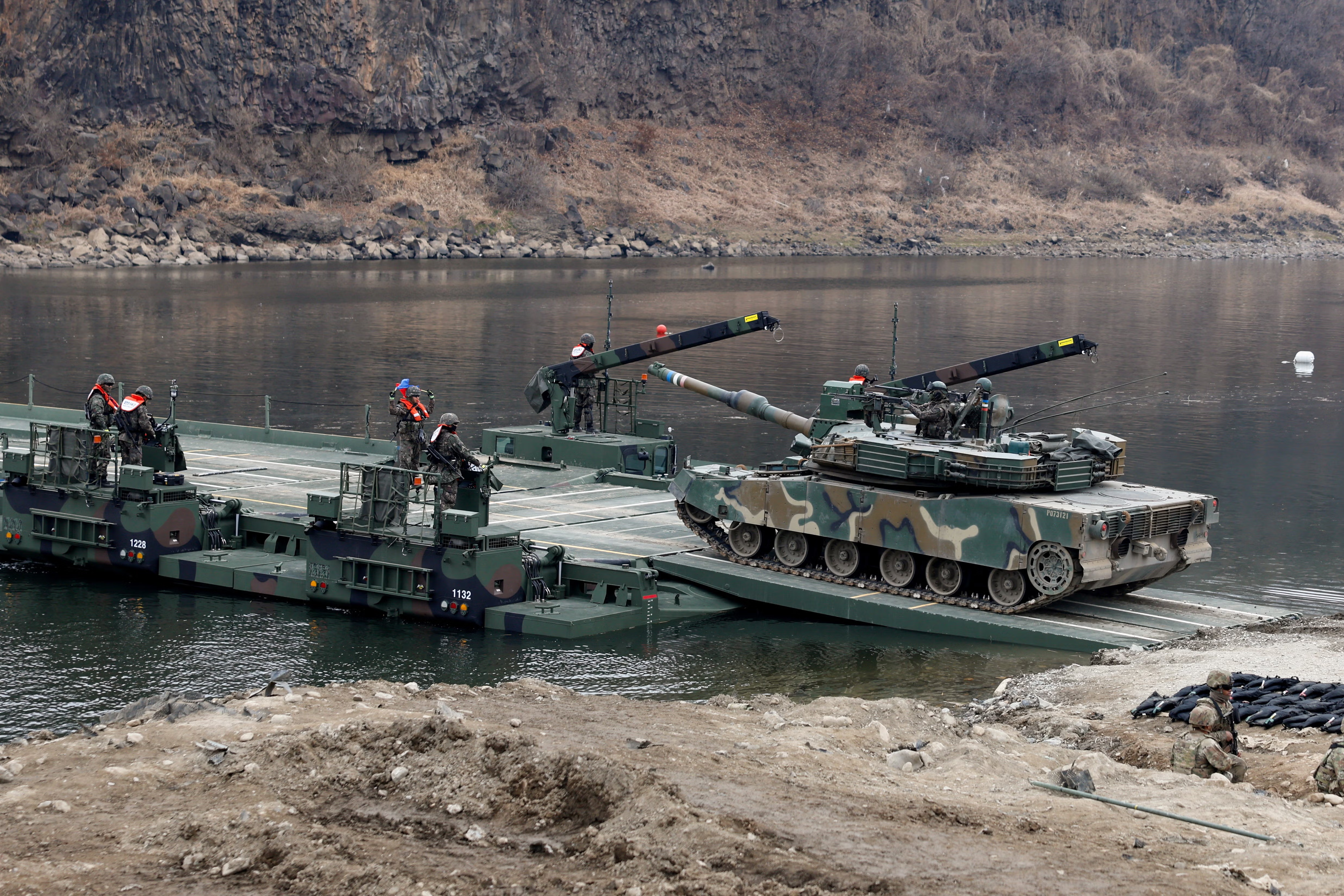
The United States and South Korea have described the exercises as routine annual drills designed to strengthen defensive capabilities and enhance coordination between their armed forces. Officials from both countries have consistently emphasized that the exercises are defensive in nature and not intended to provoke neighboring states.
However, North Korea has historically criticized such drills, describing them as hostile military activities that increase tensions on the Korean Peninsula. Pyongyang often responds to these exercises with weapons tests or military demonstrations.
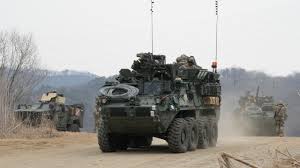
The United States maintains a significant military presence in South Korea as part of its long-standing security alliance with Seoul. Approximately 28,500 US troops are stationed in the country, along with fighter aircraft squadrons and other military assets intended to support regional stability and deter potential aggression.
Japan Confirms Possible Missile Landing Outside Its Economic Zone
The latest missile launches come shortly after diplomatic contacts between Washington and Seoul aimed at exploring ways to revive dialogue with North Korea.
Earlier this week, South Korea’s prime minister met with US President Donald Trump in Washington to discuss possible approaches for restarting negotiations with Pyongyang. The talks focused on strategies to reduce tensions and reopen diplomatic channels with North Korean leadership.
Speaking to reporters following the meeting, the South Korean prime minister said President Trump remained open to holding discussions with North Korean leader Kim Jong Un. He indicated that the US president was prepared to engage in dialogue whenever an opportunity for negotiations arises.
Trump Open to Dialogue With Kim After Missile Launches
The developments highlight the complex balance between military preparedness and diplomatic engagement on the Korean Peninsula. While allied forces continue to conduct joint exercises to strengthen defense cooperation, diplomatic efforts are also being explored in hopes of easing tensions and reopening communication with North Korea.
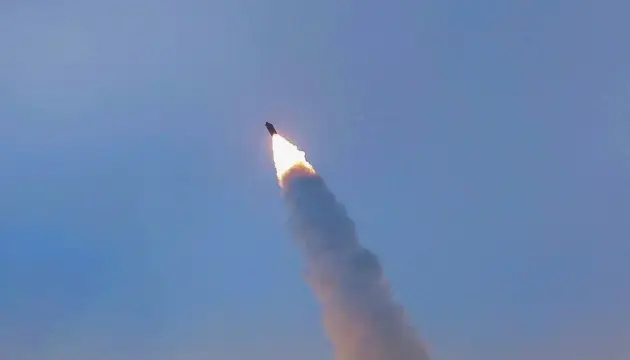
Security analysts say the missile launches underscore the ongoing volatility in the region, where military actions and diplomatic signals often occur simultaneously. As the situation continues to evolve, regional governments and international observers are closely monitoring developments to assess their implications for stability and security in East Asia.