Kabul Emerges as Epicenter of Anti-Taliban Operations
Afghanistan is witnessing a notable increase in resistance activity against the Taliban, as armed opposition groups expand operations across multiple provinces, reflecting growing internal pressure on the ruling administration.
Resistance Operations Intensify Against Taliban Across Afghanistan
The National Resistance Front (NRF), a प्रमुख opposition movement, has released details of its operations over the past year, indicating a significant escalation in targeted attacks against Taliban forces. According to the group’s statement, a total of 401 targeted operations were carried out nationwide during this period.
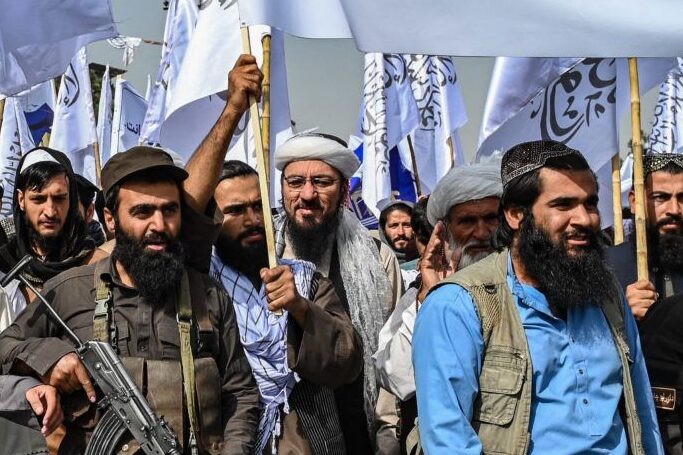
The data shows that Kabul recorded the highest number of operations, with 126 attacks, making it the central hub of anti-Taliban resistance activity. Other provinces where operations were conducted include Panjshir, Badakhshan, and Herat, with the NRF confirming that its activities spanned across 19 provinces.
The NRF further claimed that Taliban forces suffered substantial losses as a result of these operations, reporting 651 personnel killed and 579 injured over the past year. These figures could not be independently verified, but they underscore the intensity of ongoing clashes between resistance groups and Taliban fighters.

Recent statements from NRF leader Ahmad Massoud have also highlighted the movement’s stance on the current political situation. He asserted that the Taliban administration has lost both domestic and international legitimacy, alleging that it has excluded large segments of the Afghan population from the political process.
Kabul Emerges as Epicenter of Anti-Taliban Operations
Analysts suggest that the rise in resistance activities reflects growing dissatisfaction within Afghanistan. Increasing armed opposition, combined with political and economic challenges, points to mounting pressure on the Taliban leadership.

Experts note that Afghanistan continues to face internal divisions and economic hardship, which may be contributing to the resurgence of resistance movements. The expansion of anti-Taliban operations across multiple regions indicates a shift in the security landscape, with opposition groups becoming more active and coordinated.
Ahmad Massoud Questions Taliban Legitimacy Amid Rising Unrest
The Taliban administration, which has faced limited international recognition, is now encountering intensified challenges both domestically and abroad. Observers believe that the combination of internal resistance and external pressures could further complicate governance and stability in the country.
Read Also ; Saudi Arabia Intercepts Missiles as Iran Escalates Attacks
As resistance activities continue to expand, the situation in Afghanistan remains fluid, with uncertainty surrounding the potential for broader conflict or political developments in the near future.