Pakistan And China Strengthen Strategic Cooperation Regarding Iran
Strategic Alignment Between Islamabad And Beijing On Iran
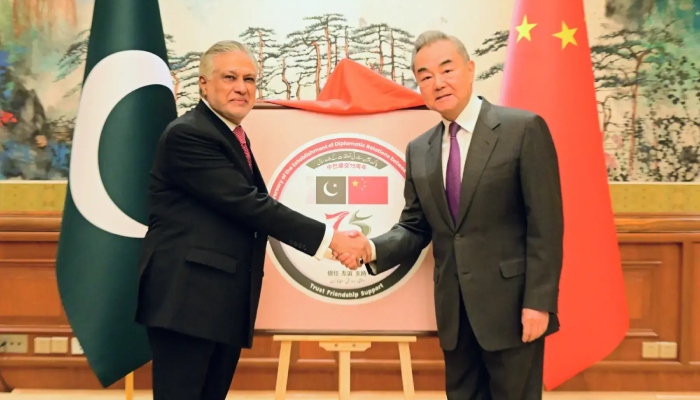
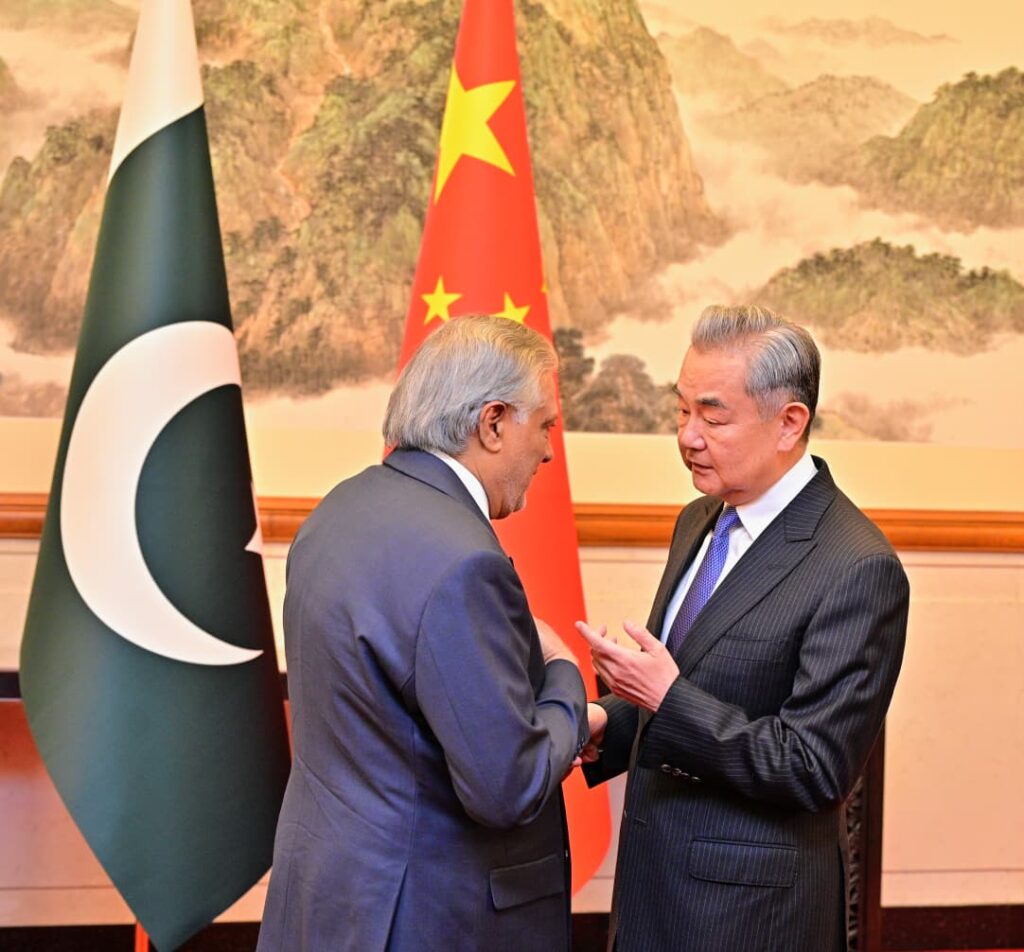
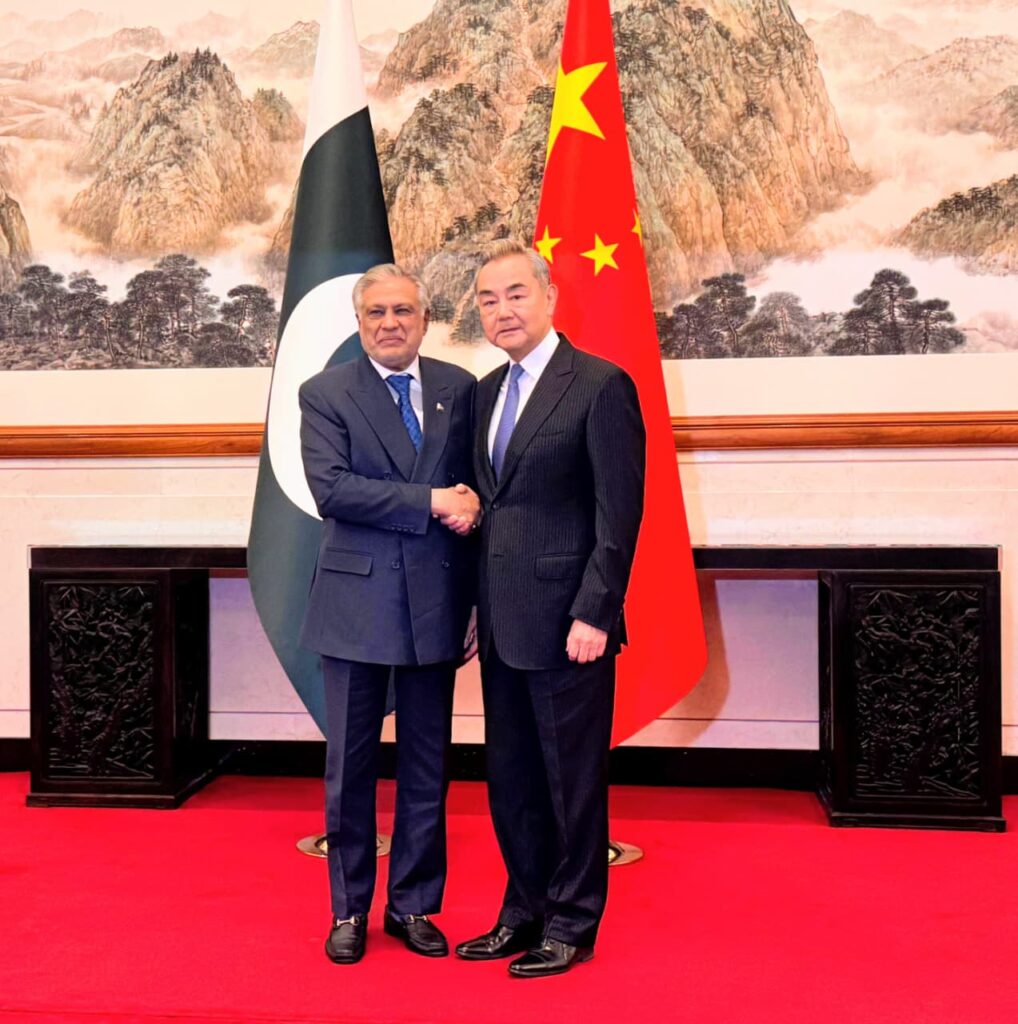
Deputy Prime Minister / Foreign Minister Senator Mohammad Ishaq Dar was warmly received by Chinese Foreign Minister Wang Yi at the Diaoyutai State Guest House, Beijing, for a key bilateral meeting.
The high-level interaction underscores the strength of the Pakistan-China All-Weather Strategic Cooperative Partnership, with both sides expected to discuss bilateral cooperation, regional stability, and global developments.
In a high-level diplomatic meeting in Beijing, the foreign ministers of Pakistan and China have reached a formal consensus to enhance strategic cooperation regarding the ongoing crisis in Iran. This decision follows an official invitation from Chinese Foreign Minister Wang Yi to Pakistan’s Deputy Prime Minister and Foreign Minister, Senator Mohammad Ishaq Dar. The discussions underscore the “all-weather” nature of the China-Pakistan strategic partnership, with both nations aligning their diplomatic positions on critical international and regional security challenges to ensure a unified approach toward Middle Eastern stability.
Regional Security And The Role Of Constructive Mediation
In a high-level diplomatic meeting in Beijing, the foreign ministers of Pakistan and China have reached a formal consensus to enhance strategic cooperation regarding the ongoing crisis in Iran. This decision follows an official invitation from Chinese Foreign Minister Wang Yi to Pakistan’s Deputy Prime Minister and Foreign Minister, Senator Mohammad Ishaq Dar. The discussions underscore the “all-weather” nature of the China-Pakistan strategic partnership, with both nations aligning their diplomatic positions on critical international and regional security challenges to ensure a unified approach toward Middle Eastern stability.
Regional Security And The Role Of Constructive Mediation
A spokesperson for the Chinese Foreign Ministry confirmed that both Islamabad and Beijing maintain identical stances on major regional issues, particularly the necessity of peace in the Gulf. The two nations have pledged to deepen their strategic coordination to mitigate the risks of a wider regional conflict. According to the spokesperson, China remains committed to playing a constructive role in reducing tensions through mediation and multilateral dialogue, viewing the stability of Iran as a vital component of the broader Eurasian security architecture and international energy markets.
Maritime Safety And Transit In The Strait Of Hormuz
Amidst the heightened military tensions in the region, the Chinese Foreign Ministry verified that three Chinese vessels successfully and safely transited through the Strait of Hormuz. The spokesperson expressed official gratitude to the relevant parties for their cooperation in ensuring the safety of these maritime assets. This development is significant given the recent volatility in the waterway, suggesting that Beijing’s diplomatic channels remain functional across conflicting parties. The successful passage serves as a practical example of China’s ongoing efforts to maintain the flow of global commerce despite the localized military environment.
Protection Of Cultural Heritage And Calls For Ceasefire
read more ; Senator Ishaq Dar Arrives In Beijing For Bilateral Talks
The Chinese government also issued a formal expression of regret regarding the damage sustained by historical and cultural sites during the recent hostilities. Emphasizing the importance of preserving human heritage, Beijing issued a direct call for all involved parties specifically mentioning the United States and Israel to immediately cease military operations. The statement urged an end to actions that could lead to further escalation, advocating instead for a return to diplomatic negotiations. This position reflects China’s broader policy of opposing unilateral military force and prioritizing the protection of civilian and cultural infrastructure.
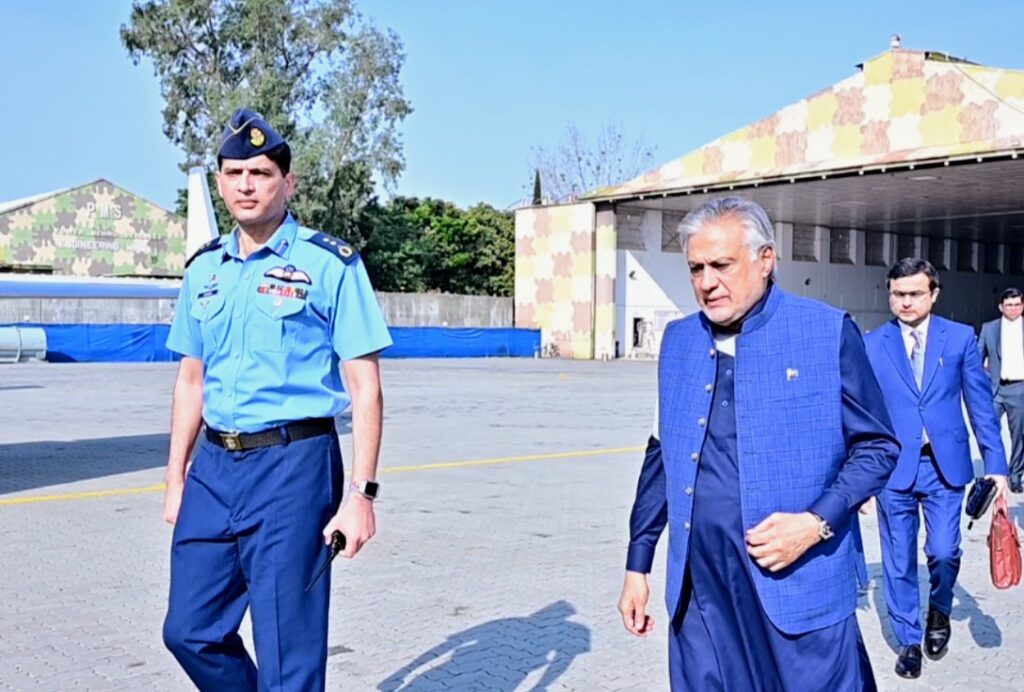
Senator Ishaq Dar’s visit serves as a platform for comprehensive reviews of bilateral relations, encompassing economic, security, and diplomatic dimensions. The presence of the Deputy Prime Minister in Beijing during this period of regional instability highlights the depth of the consultative process between the two neighboring powers. By synchronizing their policies on Iran, Pakistan and China are positioning themselves as a stabilizing bloc that favors non-military resolutions to the current crisis. The discussions also covered mutual interests in global affairs, reinforcing the strategic depth of their long-standing partnership.
As the situation continues to evolve, the international community is closely monitoring the impact of the Beijing-Islamabad axis on the Gulf crisis. The joint commitment to “constructive roles” and “strategic cooperation” indicates that both countries intend to use their combined diplomatic weight to press for a ceasefire. With China providing a maritime safety precedent and Pakistan offering regional logistical and diplomatic insights, the collaboration aims to provide a counterweight to escalating military narratives. The outcome of these talks is expected to influence the diplomatic trajectory of the region in the coming weeks.
A spokesperson for the Chinese Foreign Ministry confirmed that both Islamabad and Beijing maintain identical stances on major regional issues, particularly the necessity of peace in the Gulf. The two nations have pledged to deepen their strategic coordination to mitigate the risks of a wider regional conflict. According to the spokesperson, China remains committed to playing a constructive role in reducing tensions through mediation and multilateral dialogue, viewing the stability of Iran as a vital component of the broader Eurasian security architecture and international energy markets.
Maritime Safety And Transit In The Strait Of Hormuz
Amidst the heightened military tensions in the region, the Chinese Foreign Ministry verified that three Chinese vessels successfully and safely transited through the Strait of Hormuz. The spokesperson expressed official gratitude to the relevant parties for their cooperation in ensuring the safety of these maritime assets. This development is significant given the recent volatility in the waterway, suggesting that Beijing’s diplomatic channels remain functional across conflicting parties. The successful passage serves as a practical example of China’s ongoing efforts to maintain the flow of global commerce despite the localized military environment.
Protection Of Cultural Heritage And Calls For Ceasefire
The Chinese government also issued a formal expression of regret regarding the damage sustained by historical and cultural sites during the recent hostilities. Emphasizing the importance of preserving human heritage, Beijing issued a direct call for all involved parties—specifically mentioning the United States and Israel—to immediately cease military operations. The statement urged an end to actions that could lead to further escalation, advocating instead for a return to diplomatic negotiations. This position reflects China’s broader policy of opposing unilateral military force and prioritizing the protection of civilian and cultural infrastructure.
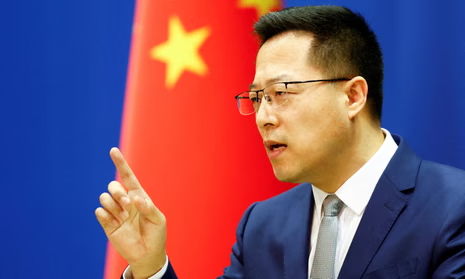
Senator Ishaq Dar’s visit serves as a platform for comprehensive reviews of bilateral relations, encompassing economic, security, and diplomatic dimensions. The presence of the Deputy Prime Minister in Beijing during this period of regional instability highlights the depth of the consultative process between the two neighboring powers. By synchronizing their policies on Iran, Pakistan and China are positioning themselves as a stabilizing bloc that favors non-military resolutions to the current crisis. The discussions also covered mutual interests in global affairs, reinforcing the strategic depth of their long-standing partnership.
As the situation continues to evolve, the international community is closely monitoring the impact of the Beijing-Islamabad axis on the Gulf crisis. The joint commitment to “constructive roles” and “strategic cooperation” indicates that both countries intend to use their combined diplomatic weight to press for a ceasefire. With China providing a maritime safety precedent and Pakistan offering regional logistical and diplomatic insights, the collaboration aims to provide a counterweight to escalating military narratives. The outcome of these talks is expected to influence the diplomatic trajectory of the region in the coming weeks.