Gulf Nations Evaluate Pipelines to Bypass Hormuz Strait
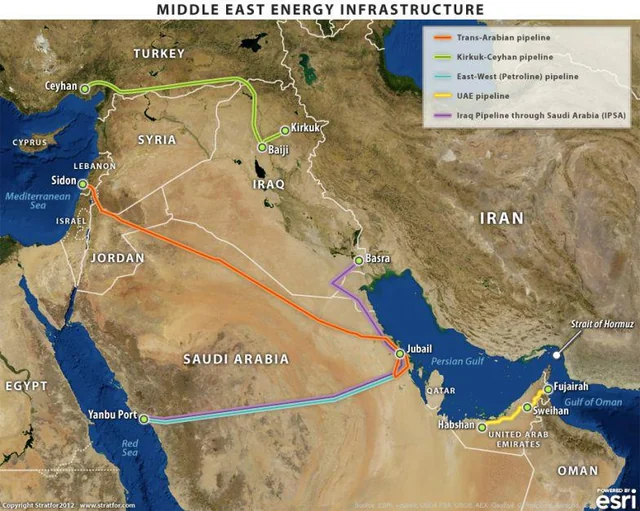
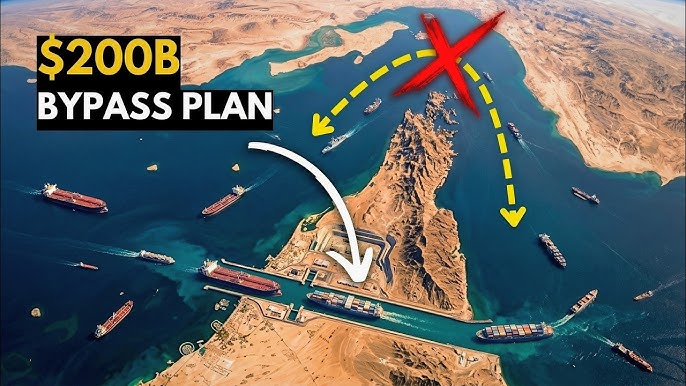
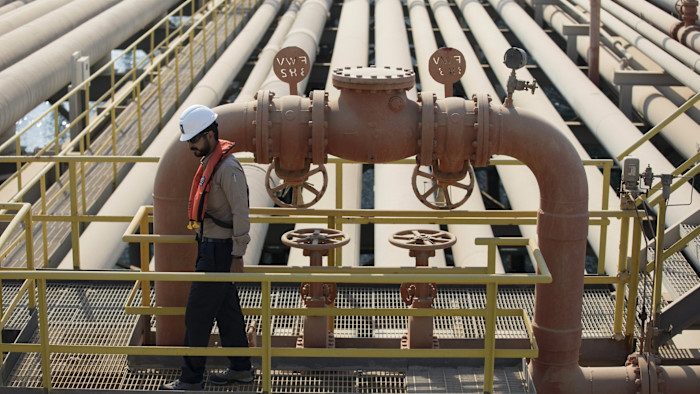
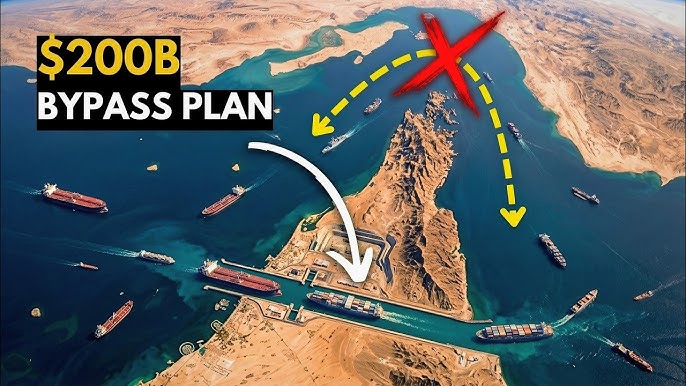
Gulf nations are actively evaluating the construction of new pipeline networks to bypass the Strait of Hormuz, aiming to secure energy exports amid intensifying regional instability. According to recent reports from the Financial Times and industry analysts, these strategic projects are designed to circumvent the critical maritime choke point currently under heightened Iranian influence.
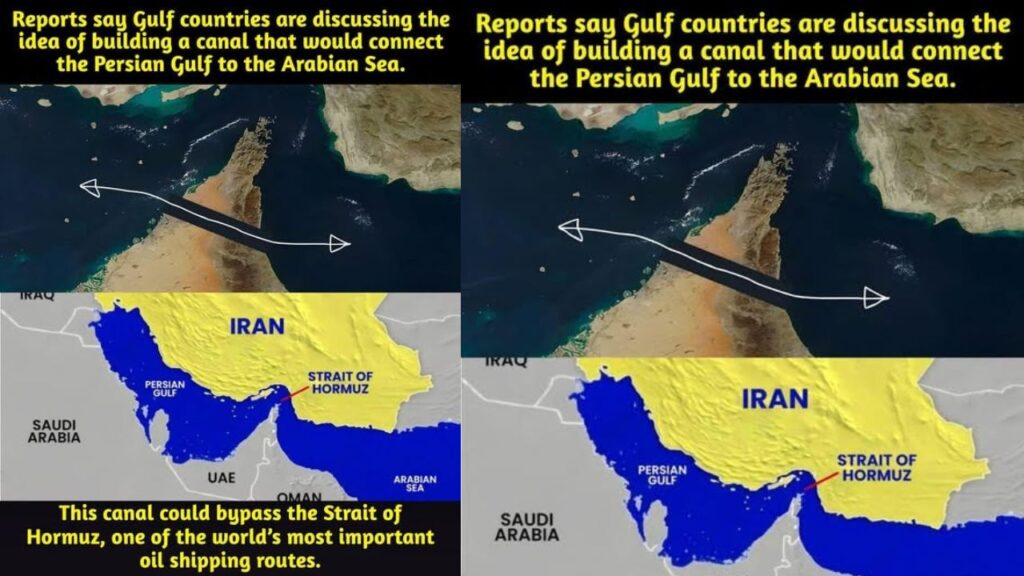
While officials and energy executives acknowledge that these terrestrial routes are financially demanding and politically complex to negotiate, they emphasize that diversifying transport infrastructure has become a primary necessity for maintaining global energy security.
One prominent long-term option under review is the U.S.-backed India-Middle East-Europe Economic Corridor (IMEC), which seeks to integrate India into European markets via the Gulf. The ongoing conflict in the Middle East and the effective closure of the Strait of Hormuz have drastically increased global trade expenditures, with industry data indicating that many vessels are now opting for significantly longer and more expensive alternative routes. This shift has triggered a sharp rise in both freight rates and fuel delivery costs, as maritime operators prioritize safety over traditional transit efficiency.
Strategic Infrastructure Shifts to Counter Maritime Choke Point Risks
The scarcity of safe passage has directly impacted the price of bunker fuel, which nearly doubled in early 2026, peaking at approximately $1,053 per metric ton. Rolf Habben Jansen, CEO of Hapag-Lloyd, reported that the German shipping giant was forced to suspend bookings toward the Gulf due to the unsustainable risks to its fleet. The company currently faces additional weekly operational costs ranging from $40 million to $50 million, covering increased expenditures for fuel, war risk insurance, container storage, and inland transportation.
Read also ; Kuwait Assures Support For Pakistani Flagged Fuel Tankers
Furthermore, the chartering costs for oil tankers have experienced an unprecedented surge as the conflict persists. The daily earnings for Suezmax crude oil tankers a standard industry metric for chartering expenses—have more than tripled since the escalation of tensions, exceeding $330,000 per day.
Similarly, daily earnings for Liquefied Natural Gas (LNG) carriers have reached roughly $90,000 per day. Experts from S&P Global Commodity Insights noted that crude oil shipping costs from the Gulf to China surged from $46 per metric ton in February to nearly triple that amount in a matter of days.
Escalating Insurance Premiums and Operational Challenges in the Gulf
Maritime Services International has indicated that container shipping costs have risen by 20% to 25%, while specific high-risk routes have seen war surcharges drive rates up by nearly 200%. This financial strain is compounded by the fact that traffic through the Strait of Hormuz is facing severe logistical hurdles, prompting many firms to redirect cargo to safer alternative hubs. In addition to fuel and freight spikes, the cost of insurance has become a prohibitive factor for many operators.
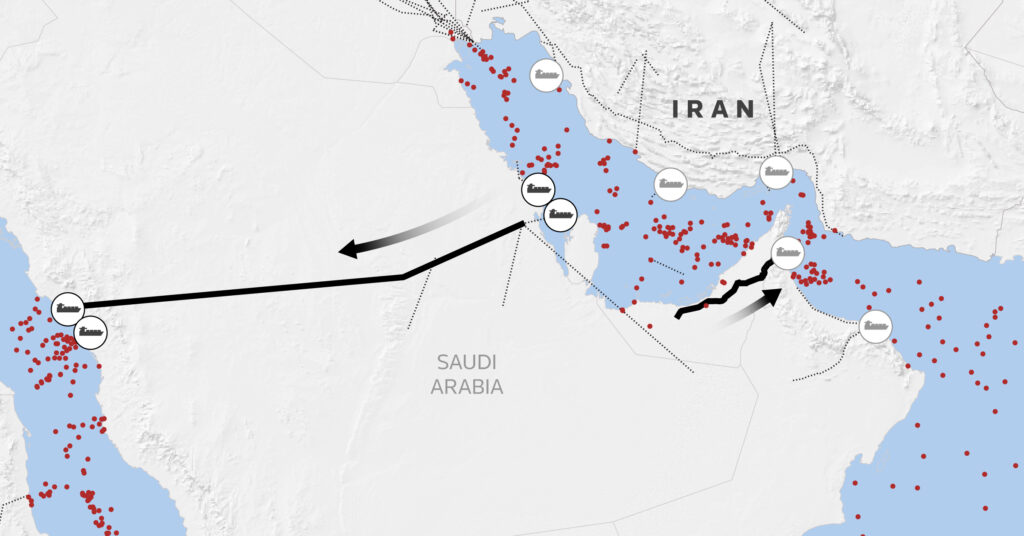
War risk insurance premiums reached a staggering 10% of the total value of a vessel and its cargo last week, placing immense pressure on the shipping industry’s profit margins. For a tanker valued at $200 million, a single transit could now require a premium of $20 million, a sharp departure from the sub-1% rates seen prior to the conflict. As the physical risk of attacks remains high, Gulf states are doubling down on terrestrial alternatives, such as Saudi Arabia’s East-West pipeline, which are now viewed as essential masterstrokes for ensuring that global markets remain supplied despite the volatility of maritime corridors.