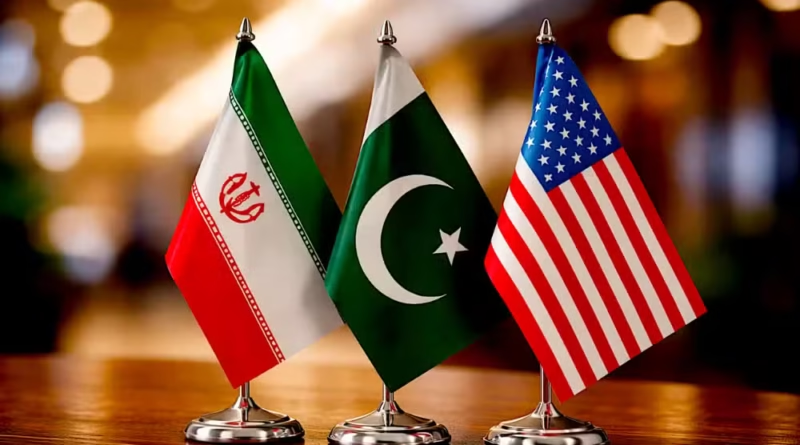
The Crucial Bridge: Pakistan’s Mediatory Role in the US-Iran Conflict
By : Muhammad Sajjad Haider
The geopolitical landscape of the Middle East and South Asia is currently witnessing one of its most turbulent periods in recent history. The unprecedented military confrontation between the United States, Israel, and Iran, which began in late February 2026, has sent shockwaves across the globe. As the conflict escalated, threatening not only regional stability but also global energy security, a familiar diplomatic actor stepped onto the stage: Pakistan.
With a historic track record of backchannel diplomacy and unique ties to both Washington and Tehran, Pakistan has emerged as a crucial intermediary, striving to broker a fragile peace in a deeply fractured region.
The Escalation of the 2026 Conflict
The current crisis, often referred to as the 2026 Iran War, began on February 28, 2026, when US and Israeli forces launched a massive joint strike campaign against Iranian military infrastructure, air defences, and missile sites. The stated objective was to severely degrade Iran’s military capabilities and its nuclear programme. The conflict quickly spiralled, resulting in significant casualties and the tragic death of Iran’s Supreme Leader, Ayatollah Ali Khamenei.
The repercussions of this military engagement extended far beyond the immediate theatre of war. In response to the attacks, Iran effectively blockaded the Strait of Hormuz, a vital maritime chokepoint through which over 20 per cent of the world’s oil and gas passes. This disruption immediately triggered global economic anxiety, driving up energy prices and raising the spectre of a prolonged international crisis.
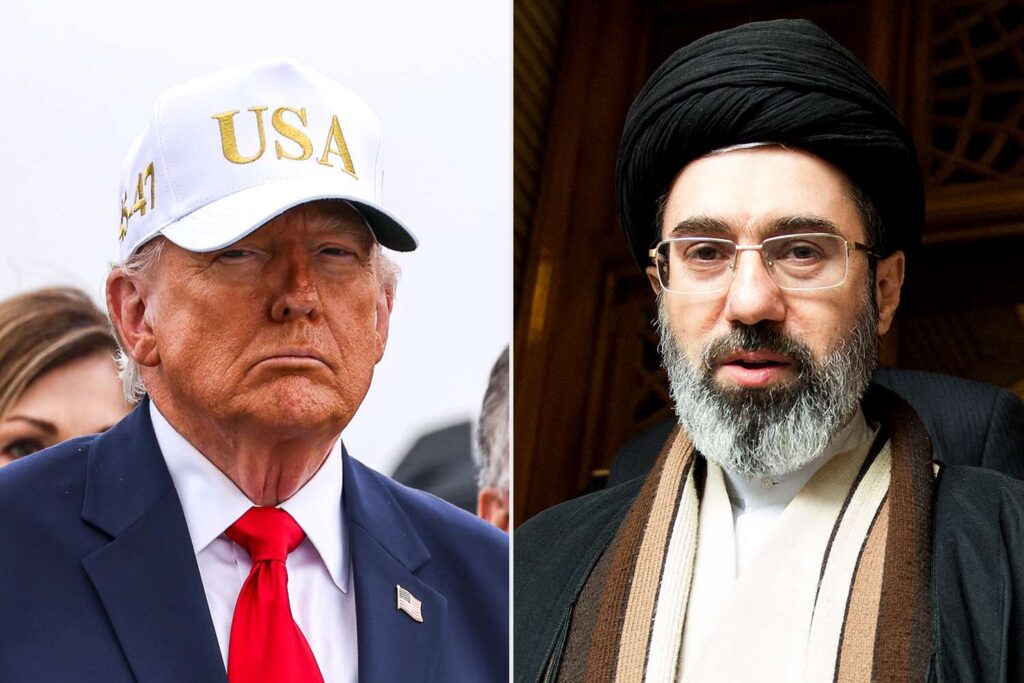
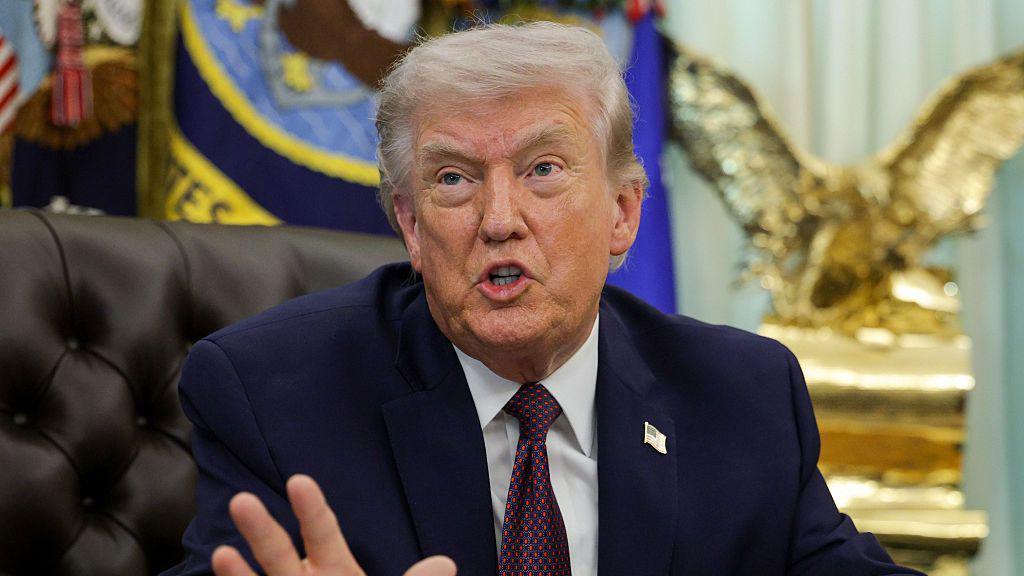
As the conflict stretched into its second month, the rhetoric grew increasingly hostile. US President Donald Trump issued stark warnings, threatening severe consequences if Iran did not agree to terms that included the immediate reopening of the Strait of Hormuz. In this highly volatile atmosphere, the need for a neutral and trusted mediator became paramount.
Pakistan: A Historic Backchannel
Pakistan’s emergence as a peace broker in this crisis is not an anomaly; rather, it is a continuation of a long-standing diplomatic tradition. For decades, Islamabad has leveraged its strategic geography and its relationships with rival powers to facilitate dialogue when direct communication was impossible.
Perhaps the most famous example of this was in 1971, during the height of the Cold War. The United States, seeking to open relations with the People’s Republic of China, turned to Pakistan. Islamabad, maintaining good relations with both Washington and Beijing, facilitated a secret flight for US Secretary of State Henry Kissinger from Islamabad to Beijing. This covert mission paved the way for President Richard Nixon’s historic visit to China in 1972, fundamentally altering the global balance of power.
read also ; Trump Vows Massive Tariffs and End to Iranian Nuclear Enrichment
Pakistan also played a central role in the Geneva Accords of the 1980s, which led to the withdrawal of Soviet forces from Afghanistan, and more recently, in facilitating the 2020 Doha Agreement between the US and the Afghan Taliban.
In the context of the Middle East, Pakistan has consistently attempted to balance its deep strategic and economic ties with Saudi Arabia and the United States against its shared border and historical and cultural links with Iran. This delicate balancing act has positioned Islamabad as one of the few capitals capable of speaking to both Washington and Tehran during times of severe crisis.
The ‘Islamabad Accord’ and the Push for Peace
As the US-Iran conflict intensified in March and April 2026, Pakistan initiated a frantic diplomatic push. Prime Minister Shehbaz Sharif engaged in high-level discussions with Iranian President Masoud Pezeshkian, while Pakistan’s army chief, Field Marshal Asim Munir, maintained direct contact with US leadership, including Vice President JD Vance and Special Envoy Steve Witkoff.
Pakistan’s efforts were bolstered by regional cooperation. In late March, Islamabad hosted a ministerial meeting with representatives from Saudi Arabia, Türkiye, and Egypt to coordinate a de-escalation strategy. Furthermore, a visit to Beijing by Pakistan’s Deputy Prime Minister and Foreign Minister Ishaq Dar resulted in a joint Chinese-Pakistani initiative calling for an immediate ceasefire and the restoration of maritime traffic.
The culmination of these efforts is a proposed ‘two-phased’ truce deal, tentatively dubbed the ‘Islamabad Accord’. The framework, shared with both the US and Iran, outlines a pragmatic approach to de-escalation:
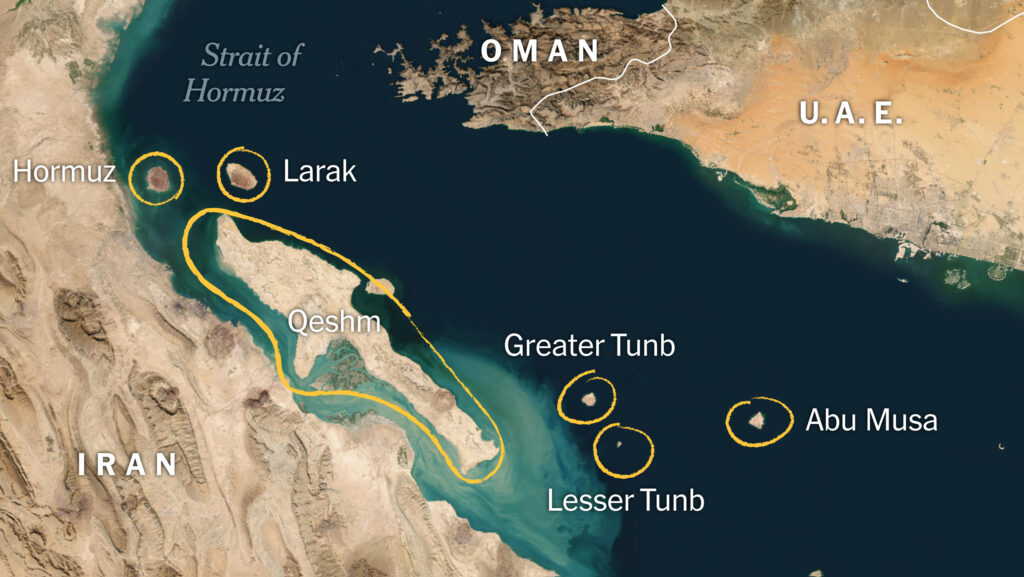
1 Immediate Ceasefire and Reopening: The first phase proposes an immediate cessation of hostilities. Crucially, for the United States and the global economy, this phase requires the reopening of the Strait of Hormuz.
2 Comprehensive Settlement: The second phase allocates a 15 to 20-day window to finalise a broader, permanent settlement. This would involve direct or indirect negotiations hosted in Islamabad, focusing on a regional framework for the Strait of Hormuz, Iranian commitments regarding its nuclear programme, and corresponding sanctions relief and the unfreezing of Iranian assets by the US.
Navigating a Sea of Distrust
While the proposed framework offers a glimmer of hope, the path to a lasting peace is fraught with formidable obstacles. The primary challenge is the profound deficit of trust between the warring parties.
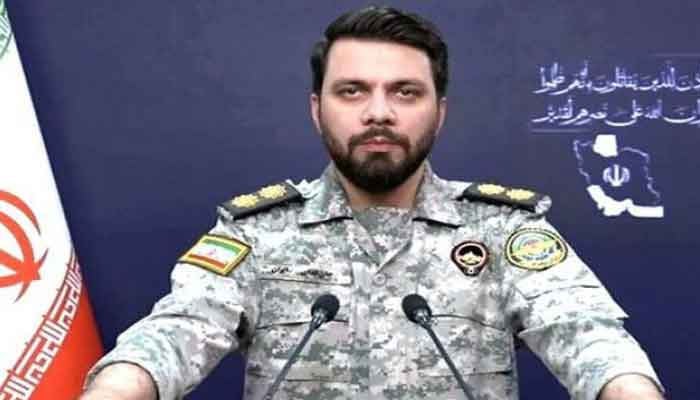
Iran has expressed deep reservations about the US proposals. Esmaeil Baghaei, the spokesman for Iran’s Ministry of Foreign Affairs, publicly rejected a previous 15-point plan put forward by the US, describing it as ‘extremely ambitious, unusual, and illogical’. Furthermore, Iranian officials have indicated a reluctance to reopen the Strait of Hormuz merely as part of a temporary ceasefire, fearing that doing so would surrender their primary strategic leverage without guarantees of a permanent end to hostilities.
There are also significant internal pressures. The Iranian leadership, having suffered severe military losses and the assassination of its supreme leader, faces intense domestic pressure not to appear weak or capitulate to US demands. Conversely, the US administration is under pressure to ensure that any deal definitively neutralises the perceived threat from Iran’s nuclear programme and its regional influence.
As one Pakistani official aptly described the situation to Al Jazeera, mediating this conflict is akin to managing a ‘schoolboy brawl’ driven by massive egos and a ‘sea of distrust over which they have to build bridges’.
The Road Ahead
Despite these monumental challenges, the fact that a fragile, temporary ceasefire was agreed upon on 7th April—brokered by Pakistan—is a testament to the necessity and effectiveness of backchannel diplomacy. The pause in strikes, even if temporary, provides a vital window for cooler heads to prevail and for diplomats to work out the intricacies of a more durable agreement.
Pakistan’s role in this crisis highlights a critical reality of international relations: in an increasingly polarised world, the presence of neutral intermediaries is indispensable. Islamabad’s ability to act as a communication conduit between Washington and Tehran is not merely a diplomatic exercise; it is a vital service to global security.
Whether the ‘Islamabad Accord’ will ultimately succeed in permanently ending the 2026 Iran War remains to be seen. The coming weeks will test the diplomatic acumen of all parties involved. However, Pakistan’s proactive and persistent mediation efforts have underscored its enduring relevance as a peacemaker in one of the world’s most volatile regions. As the world watches with bated breath, the diplomatic bridge built by Islamabad may be the only viable path away from the precipice of a wider, more devastating regional war.
the end .