Prime Minister Sharif Pledges Continued Support For Vulnerable Citizens
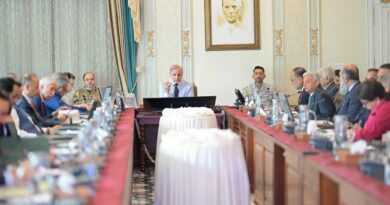
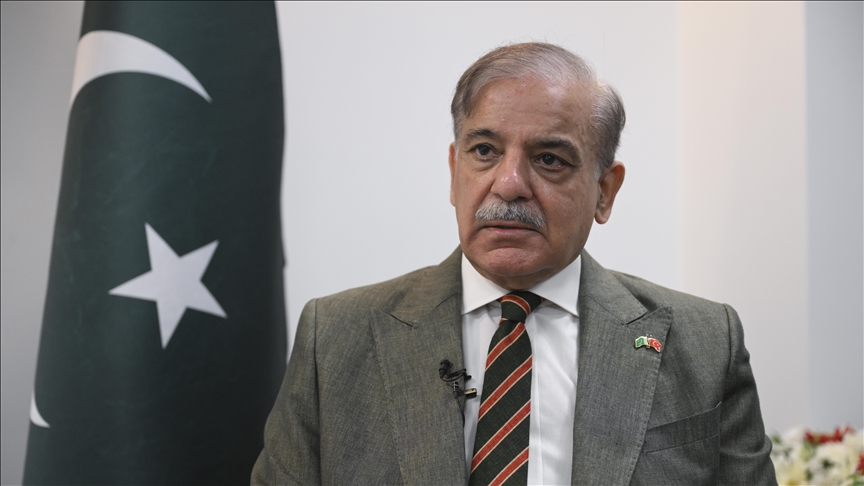
Prime Minister Shehbaz Sharif has reaffirmed his administration’s commitment to supporting the public during challenging economic periods, asserting that the government will not leave citizens marginalized. During a high-level meeting focused on petroleum reserves and public relief measures, the Prime Minister announced the commencement of a targeted subsidy program. This initiative utilizes digital wallets to provide direct financial assistance to operators of public transport, including buses and wagons, as well as goods transport vehicles and freight trucks.
Government Initiates Digital Relief For National Transport Sectors
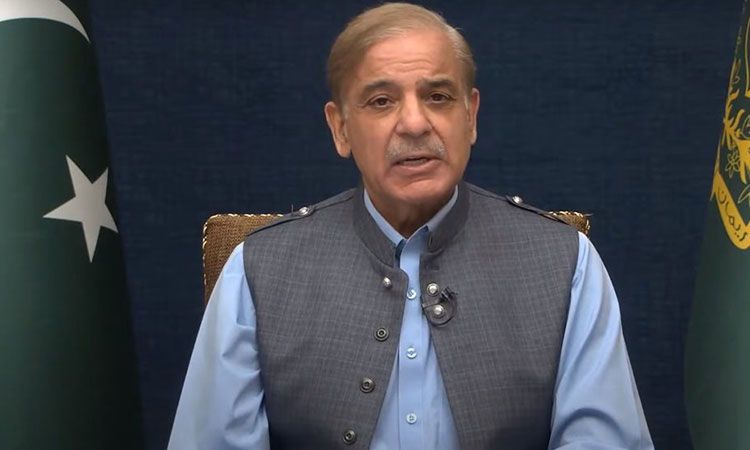
The Prime Minister emphasized that the transition to a digital transfer system ensures efficiency and transparency in the distribution of subsidies. By targeting public transport and logistics providers, the government aims to stabilize the costs of essential travel and the movement of goods. Sharif noted that the primary objective is to accelerate relief delivery to the economically weaker segments of society, ensuring that the benefits of government intervention reach the grassroots level without administrative delays.
Significant Fuel Price Reduction Aimed At Economic Relief
In a major policy move, Prime Minister Sharif announced a reduction in petrol prices by 80 rupees per liter. This decision was highlighted during the review of the country’s current petroleum stock levels and the ongoing implementation of public welfare strategies. The Prime Minister stated that providing relief to the common man remains the government’s top priority despite difficult global circumstances. He further clarified that funds saved through federal austerity and simplicity measures are being redirected specifically toward these public relief projects.
read also ; Foreign Ministry Refutes Misleading Narratives On Bilateral Deposits
Strategic Management Averts Potential Petroleum Supply Shortages
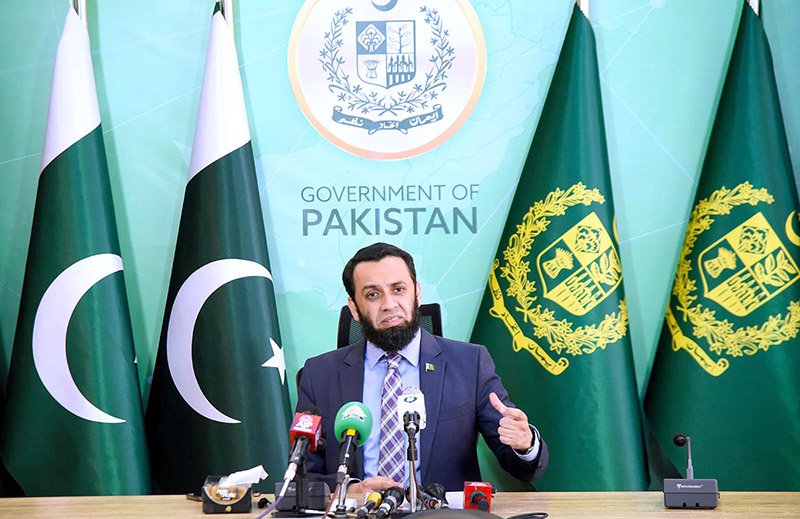
Federal Minister for Information and Broadcasting, Attaullah Tarar, reported that the Prime Minister’s timely intervention prevented a petroleum shortage that has affected other nations in the region. Tarar noted that while neighboring countries are experiencing long queues and fuel unavailability, Pakistan has maintained adequate reserves to meet national requirements. He attributed this stability to proactive governance and the monitoring of supply lines, which have been strained globally due to ongoing international conflicts.
Transport Subsidies Impact Regional Fare Stability And Access
The Information Minister further detailed that federal initiatives have already resulted in free public transport services in Islamabad and parts of Punjab, while the Sindh government has moved to prevent fare hikes. While acknowledging that international conflicts have driven up supply chain costs, Tarar emphasized that the administration has prioritized domestic availability. He noted that the Prime Minister has implemented personal salary cuts for ministers and reduced official vehicle fleets to prioritize the national fuel fund.
National Leadership Consulted On Inflation And Subsidy Systems
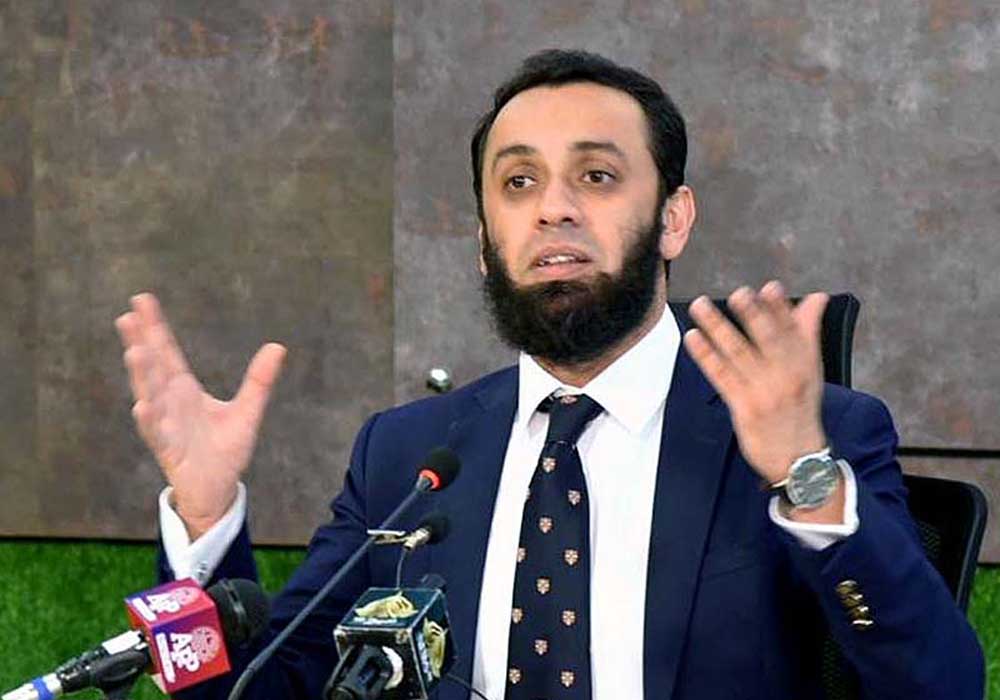
The government recently convened a meeting with the four provincial chief ministers and national leadership to address the growing burden of inflation. During these consultations, a clear system for fuel subsidies and price adjustments was established. Minister Tarar reiterated the Prime Minister’s stance that the administration will continue to work tirelessly until the public feels economically secure. The focus remains on maintaining stable oil prices as a critical challenge to ensure long-term national financial stability.
Continuous Monitoring Ensures Transparent Implementation Of Public Aid
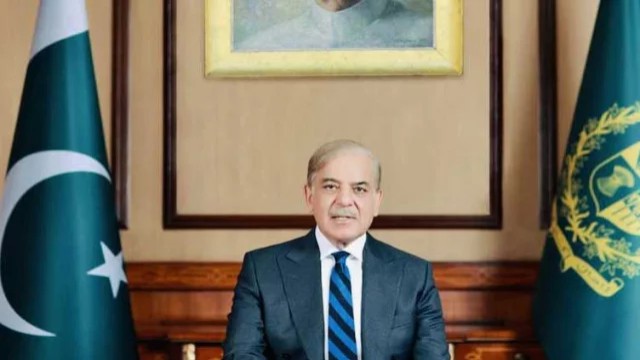
The meeting concluded with a briefing on the progress of various relief measures, confirming that Pakistan possesses sufficient petroleum stocks to meet foreseeable demand. Federal Ministers Musadik Malik and Ali Pervaiz Malik also attended the session, contributing to the strategy on stabilizing the energy sector. The Prime Minister continues to review ministerial performance daily to ensure that the digital subsidy system remains functional and that the common man is protected from the volatility of the global energy market.