Saudi And Iranian Foreign Ministers Hold First Call
Saudi and Iranian Foreign Ministers Initiate Direct Contact
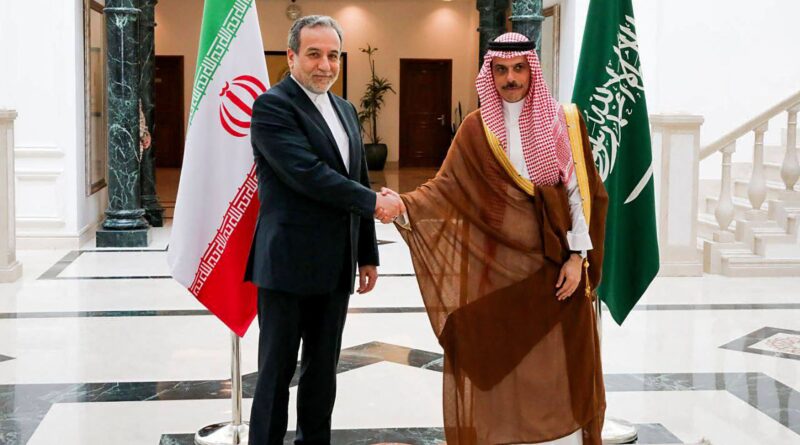
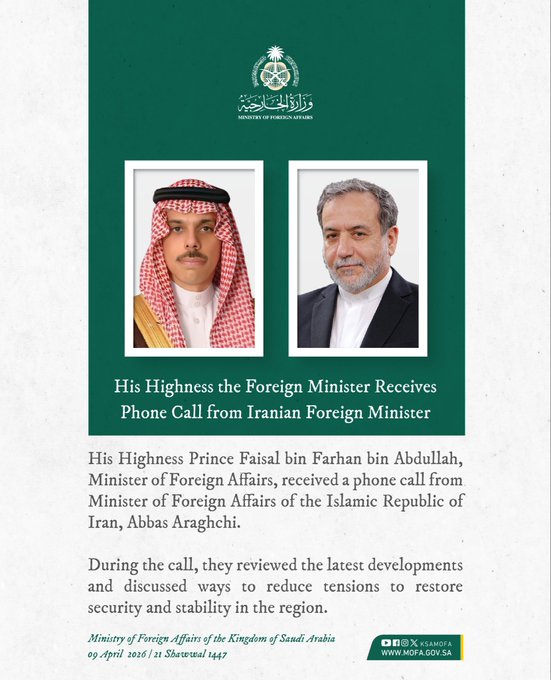
The Foreign Minister of Saudi Arabia, Prince Faisal bin Farhan, received a significant phone call from his Iranian counterpart, Abbas Araghchi, on Thursday. According to an official statement from the Saudi Foreign Ministry, the two leaders engaged in a high-level discussion regarding the latest geopolitical developments. This contact marks a pivotal shift in communication following a period of intense military engagement in the region.
Discussions Focus on Restoring Regional Security and Stability
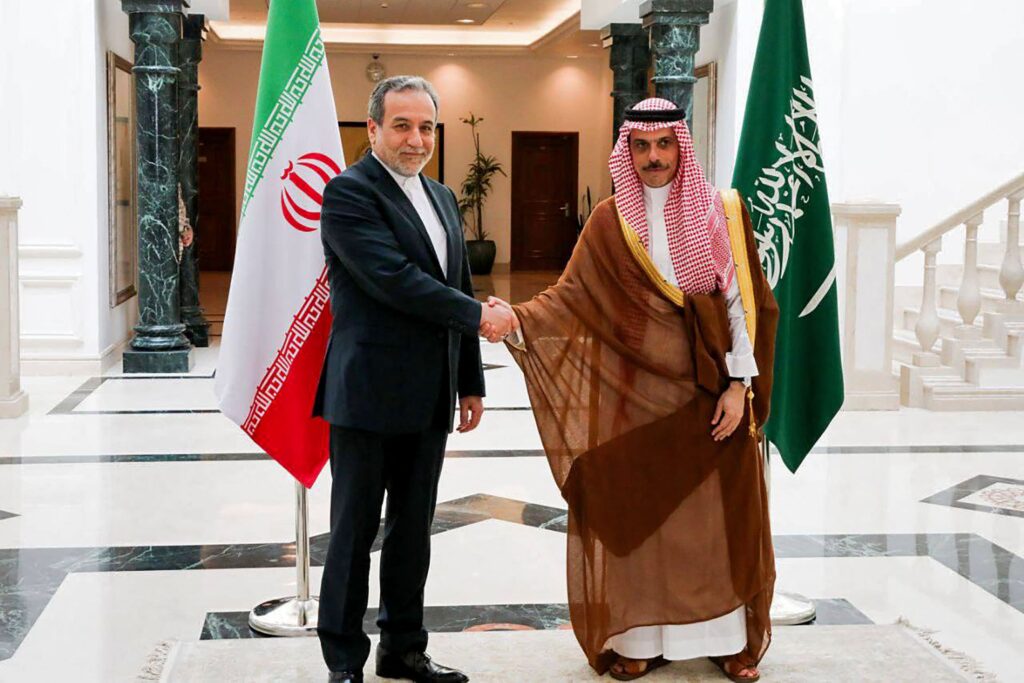
During the conversation, the foreign ministers reviewed various strategies to reduce current tensions and restore security across the Middle East. The Saudi Press Agency reported that both sides expressed a mutual interest in de-escalating the situation, which has been characterized by extreme volatility and direct military confrontations over the past several weeks.
First Official Contact Since Outbreak of Regional Warfare
This interaction represents the first formal diplomatic contact between the two nations since the commencement of the recent war. The conflict had escalated to include Iranian strikes against several Gulf countries, including Saudi Arabia. These actions were reportedly taken by Tehran in retaliation for joint Israeli-American military operations that targeted Iranian strategic assets and leadership.
Context of the Fragile Tuesday Ceasefire Agreement
The phone call follows the announcement of a fragile, two-week interim ceasefire established on Tuesday. While the truce has halted active kinetic operations, the regional atmosphere remains tense. The engagement between Prince Faisal and Araghchi is viewed by analysts as a vital step in testing the durability of the ceasefire and exploring a path toward more permanent stabilization.
read also ; Pakistan Condemns Israeli Aggression Against Lebanese Sovereign Territory
Iranian Retaliation and Impacts on Saudi Infrastructure
The preceding weeks saw a significant escalation in which Iranian ballistic missiles and drones targeted energy and civilian infrastructure within Saudi Arabia. Notable incidents included strikes near the industrial complex in Jubail and the kingdom’s East-West oil pipeline. These attacks had caused a temporary but severe disruption to regional energy corridors and heightened security concerns across the Gulf.
Role of International Mediators in De-escalation Efforts
The resumption of Saudi-Iranian dialogue is occurring alongside broader international mediation efforts. Nations such as Pakistan and Qatar have played active roles in facilitating the initial truce, and this direct call between Riyadh and Tehran suggests that the regional powers are now beginning to engage directly to manage the consequences of the conflict.
Saudi Position on Sovereignty and National Security
Throughout the conflict, Saudi Arabia has maintained a firm stance on the protection of its national sovereignty and territorial integrity. The Foreign Ministry reiterated that while the kingdom is committed to peace, the recent Iranian strikes were clear violations of international norms. The current dialogue is aimed at ensuring such incursions do not recur as part of a long-term agreement.
Iranian Strategic Objectives in Diplomatic Engagement
From the Iranian perspective, the call from Abbas Araghchi signals a willingness to engage with regional neighbors to mitigate the effects of the “maximum pressure” campaign led by the United States. Tehran has expressed that it seeks to avoid a total collapse of regional security while asserting its right to defend its interests against external military threats.
Impact on Global Energy Markets and Navigation
The stabilization of Saudi-Iranian relations is critical for the security of global energy markets. With the Strait of Hormuz beginning to reopen under the terms of the ceasefire, the cessation of hostilities between the region’s two major powers is seen as a prerequisite for the safe passage of commercial vessels and the normalization of oil exports.
Future Outlook for High-Level Diplomatic Negotiations
This initial phone call is expected to pave the way for more substantive negotiations. Reports suggest that delegations from across the region may convene in Islamabad or other neutral venues to finalize a comprehensive memorandum of understanding. The focus will remain on establishing a sustainable security architecture that prevents the resumption of proxy and direct warfare.
Conclusion of Initial Diplomatic Outreach Phase
The Saudi Foreign Ministry’s public acknowledgement of the call on social media platforms indicates a level of transparency aimed at reassuring domestic and international stakeholders. As the fourteen-day ceasefire window progresses, the frequency and depth of these contacts will serve as a primary indicator of whether the region can transition from an era of conflict to one of managed stability.