Iran Reopens Strait of Hormuz With Strict New Limits
Restricted Access Initiated for the Strategic Strait of Hormuz
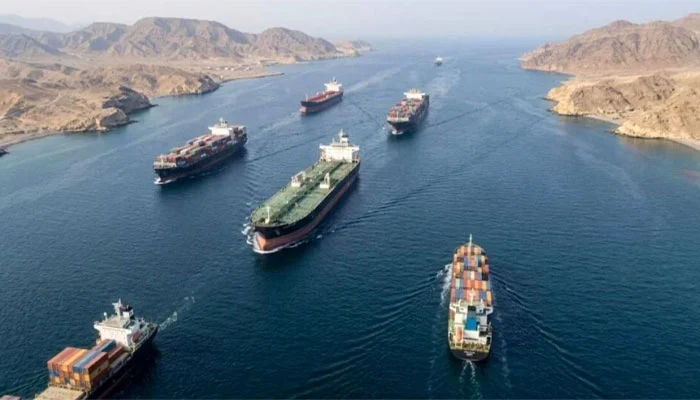
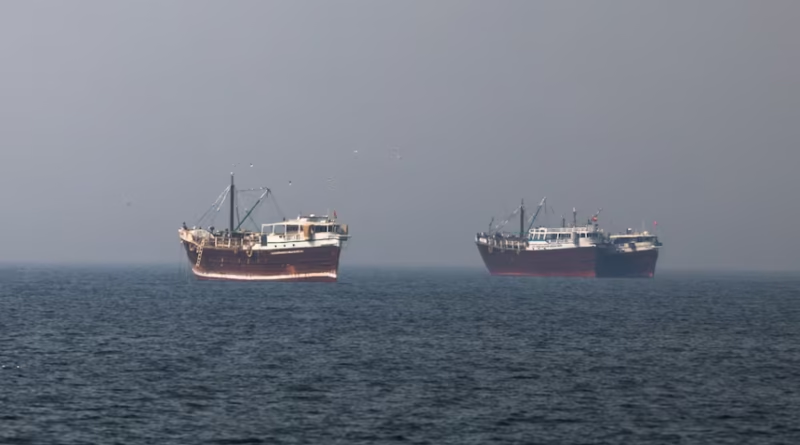
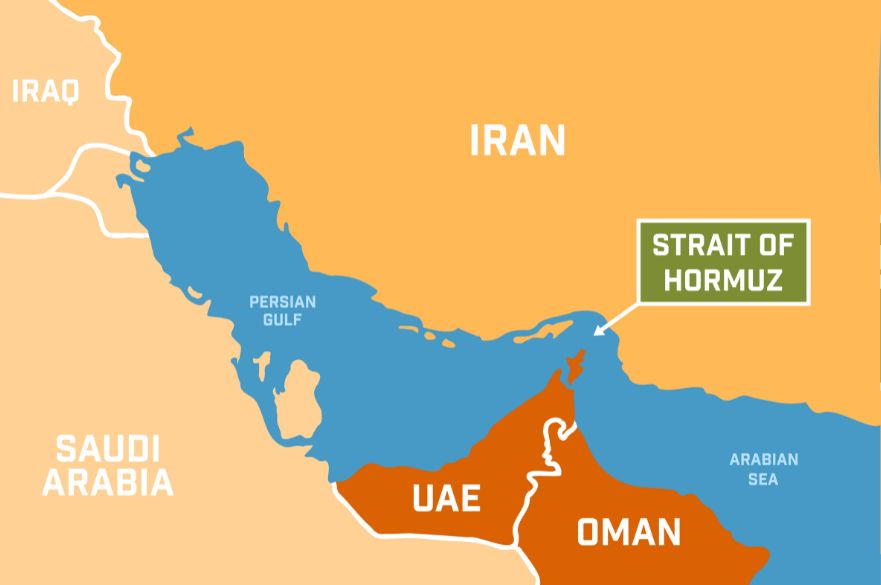
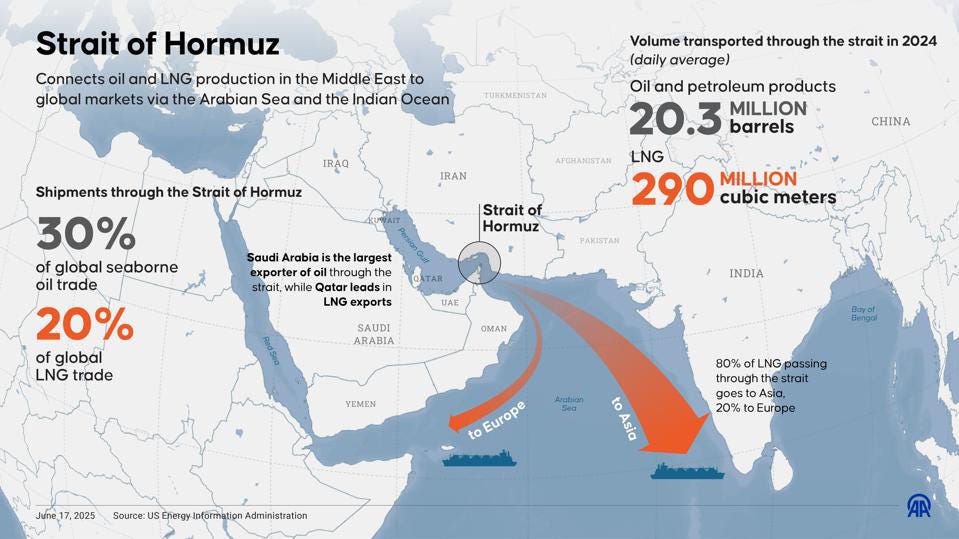
Following the ceasefire established between the United States and Iran, Iranian authorities have officially announced a partial reopening of the Strait of Hormuz. However, the resumption of maritime activity comes with rigorous operational constraints that suggest a significant departure from previous transit norms. Under the newly implemented regulations, a maximum of 15 commercial vessels are permitted to navigate the waterway on a daily basis. Furthermore, every ship intending to pass through the strait must now obtain formal, prior approval from Iranian officials. This regulatory framework is being strictly enforced under the direct supervision of the Islamic Revolutionary Guard Corps, with officials emphasizing that maritime access will not return to pre-war conditions.
Financial Conditions and Legal Frameworks for Lasting Peace
Tehran has established firm prerequisites that must be met to ensure the continuation of the current ceasefire agreement. A central demand involves the unfreezing and full restoration of Iranian foreign assets within a strict 14-day window. Iranian leadership, supported by reports from various regional media outlets, has identified the release of these funds as a primary guarantee for the integrity of the peace process. In addition to these financial demands, Iran is calling for the formal recognition of the cessation of hostilities through a specific United Nations Security Council resolution. Iranian officials have signaled that they remain prepared to resume military activities should these legal and financial benchmarks remain unfulfilled by the international community.
Diplomatic Friction Regarding Lebanese Involvement in the Accord
The ceasefire, which took effect on April 7 following an announcement by U.S. President Donald Trump, originally utilized Iranian proposals as a foundational text for diplomatic dialogue. Despite this initial progress, the geopolitical situation in Lebanon has emerged as a significant point of contention between the negotiating parties. Iran is currently advocating for the formal inclusion of Lebanon within the scope of the comprehensive peace agreement. This proposal has met firm resistance from both the United States and Israel. Iranian officials have issued public warnings that continued military actions against Lebanese territory could result in a secondary total closure of the Strait of Hormuz, effectively nullifying the current partial reopening.
Nuclear Commitments and Demands for Regional Military De-escalation
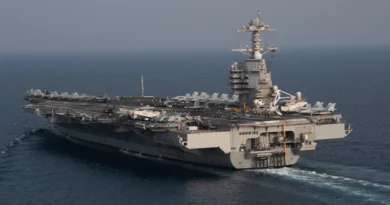
Regarding its nuclear program and uranium enrichment activities, Iran has indicated a willingness to maintain its commitments and adhere to the established protocols as part of the broader negotiation framework. Simultaneously, Tehran has urged the United States to refrain from increasing its military presence or deploying additional personnel to the Middle East. This request aligns with Iran’s stated objective of shifting regional security dynamics and reducing the footprint of foreign military forces. These specific stipulations form the core of the Iranian delegation’s current position as they enter direct discussions with American counterparts to finalize the terms of a long-term stabilization plan for the region.
read also ; Saudi And Iranian Foreign Ministers Hold First Call
Islamabad Prepared for High-Stakes International Diplomatic Summit
The global community has turned its attention toward Islamabad as the city serves as the venue for these historic peace negotiations between the United States and Iran. Foreign delegations and diplomatic representatives have begun arriving in the federal capital to participate in these landmark discussions. In response to the high-profile nature of the event and the presence of international dignitaries, the Pakistani government has implemented a “High Alert” security protocol across the metropolitan area. The Red Zone has been completely sealed to unauthorized traffic, and a public holiday was declared in the twin cities of Islamabad and Rawalpindi to ensure maximum logistical control and safety during the summit.
Comprehensive Security Deployment for Multi-National Peace Delegations
The security infrastructure in Islamabad has been significantly bolstered with a multi-layered deployment of armed personnel. Members of the Pakistan Army, the Rangers, and federal police units have been stationed along major highways and at all strategic entry points to the twin cities. Additional police contingents are actively monitoring the movement of visitors and ensuring the safety of the international representatives at their respective residences and meeting venues. This massive mobilization reflects the gravity of the talks, which represent the first major face-to-face diplomatic engagement between Washington and Tehran following the cessation of direct military tensions earlier this month, marking a pivotal moment for global stability.