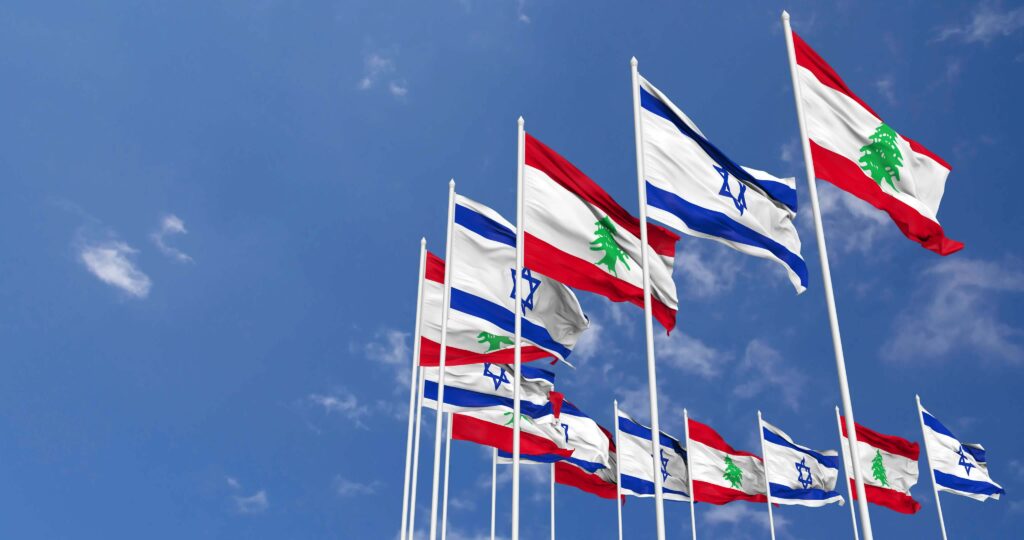
Lebanon and Israel Convene for Direct Diplomatic Talks
Lebanon and Israel Convene for Historic Direct Negotiations in Washington
Lebanon and Israel are scheduled to engage in their first direct diplomatic negotiations in over three decades this Tuesday in Washington, D.C. The summit follows more than a month of intensive warfare between Israel and the Hezbollah militant group, a conflict that has caused significant instability across the Mediterranean nation. U.S. Secretary of State Marco Rubio is set to facilitate the high-level meeting, which will include Israeli Ambassador to the U.S. Yechiel Leiter and Lebanese Ambassador to the U.S. Nada Hamadeh Moawad. This engagement marks the first instance of direct bilateral talks between the two governments since 1993.
US State Department Outlines Strategic Goals for Border Security
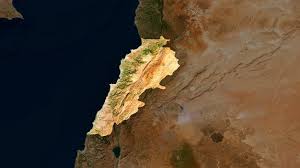
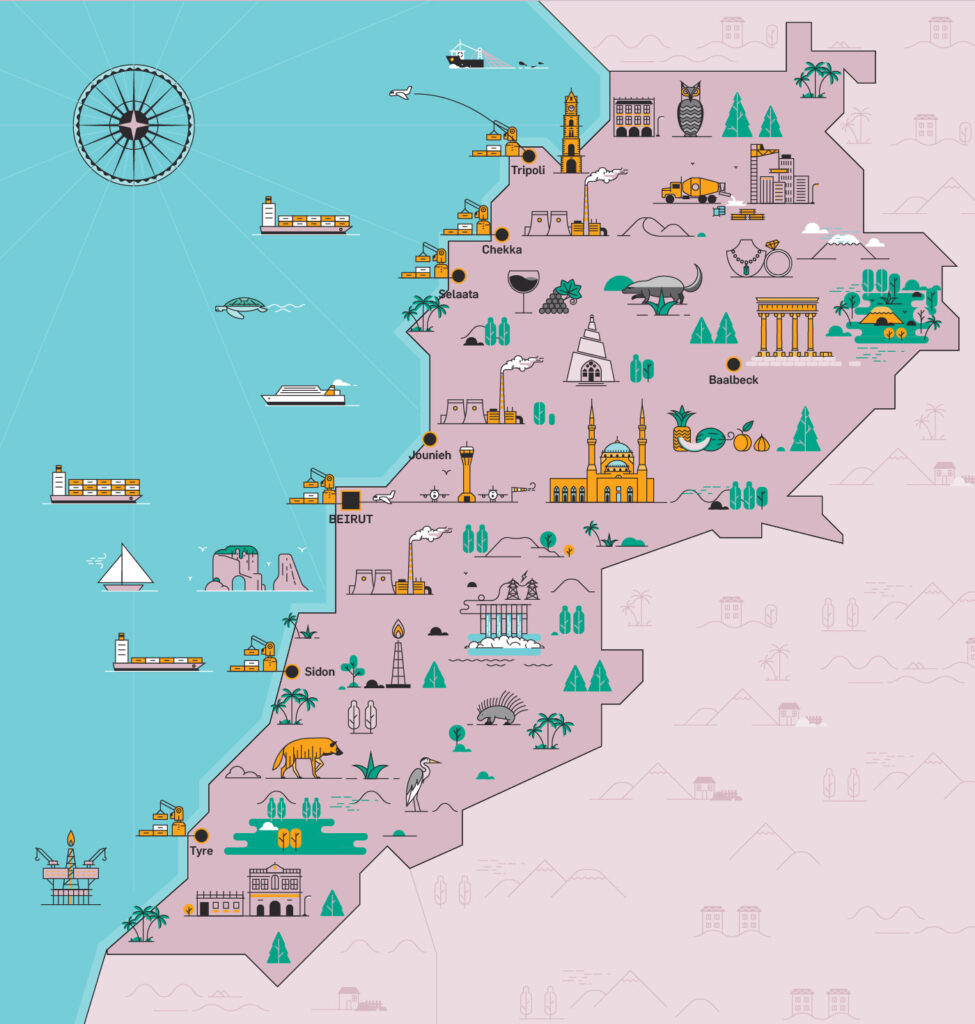
According to a U.S. State Department official speaking on the condition of anonymity, the primary objective of the Washington talks is to establish a framework for long-term security along Israel’s northern border. The discussions also aim to bolster the Lebanese government’s efforts to assert sovereign control over its territory and political future, moving away from the influence of Iran-backed Hezbollah. While Lebanon has expressed hope that these talks will lead to a definitive end to the war, Israel’s participation follows a period of significant military escalation, including over 100 strikes across Lebanese territory last week.
Humanitarian Toll Mounts as Conflict Displaces Over One Million
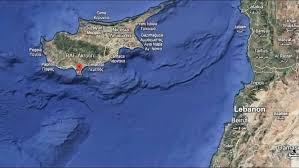
The Lebanese Health Ministry reported on Tuesday that at least 2,089 individuals have been killed in Israeli strikes since the current conflict erupted. The casualty list includes 252 women, 166 children, and 88 medical workers, with an additional 6,762 people wounded. The violence has resulted in a massive humanitarian crisis, with more than 1 million residents currently displaced. Despite the heavy toll, the Israeli military continues its ground invasion into southern Lebanon, with some officials indicating the intent to establish a depopulated “security zone” extending approximately 30 kilometers to the Litani River.
President Joseph Aoun Seeks Diplomatic Alternative to Military Escalation
Lebanese President Joseph Aoun, who assumed office with a mandate to disarm non-state actors including Hezbollah, reaffirmed his commitment to a political resolution on Monday. Aoun asserted that the destruction of Lebanese territory would not yield sustainable results and argued that diplomatic solutions remain the most effective means of resolving global armed conflicts. The Lebanese administration had proposed direct talks shortly after March 2 in an attempt to prevent a ground invasion; however, Israel only agreed to the summit following recent intensified military operations in Beirut and beyond.
read also ; Italy Suspends Defense Agreement With Israel Amid Conflict
Israel Rules Out Ceasefire During Active Hezbollah Hostilities
Despite Beirut’s request for a truce as a prerequisite for negotiations modeled after the Pakistan-brokered talks between the U.S. and Iran—the Israeli government has explicitly ruled out a ceasefire. Shosh Bedrosian, a spokeswoman for Prime Minister Benjamin Netanyahu, stated on Monday that Israel would not discuss a cessation of hostilities with Hezbollah while the group continues to launch indiscriminate attacks. Hezbollah remains active in the conflict, firing drones, rockets, and artillery daily into northern Israel and targeting ground troops within Lebanese borders, despite being weakened in the previous war that concluded in November 2024.
Internal Skepticism and Hezbollah Opposition Threaten Lebanese Leverage
The decision to engage in direct talks has met with sharp criticism from Hezbollah and various domestic factions in Beirut. Critics argue that the Lebanese government lacks sufficient leverage and should instead coordinate its position with Iran, Hezbollah’s primary patron. Hezbollah Secretary-General Naim Kassem delivered a televised address calling for the immediate cancellation of the Washington talks. The group advocates for a return to the 2024 indirect mediation framework involving the U.S., France, and the United Nations, characterizing the current direct dialogue as a “free concession” to Israel.
Sovereignty Disputes Center on Iranian Influence and Regional Stability
A central point of contention in the lead-up to the talks has been Lebanon’s insistence on representing its own interests independently of Tehran. While Iran has previously stated that ending regional wars is a condition for its own negotiations with the United States, the Lebanese government has moved to decouple its diplomatic efforts from broader Iranian mandates. This move toward self-representation is supported by U.S. officials who view the talks as a potential turning point for Lebanese statehood, though the continued presence of Hezbollah forces and the ongoing Israeli military campaign remain significant obstacles to a formal peace accord.