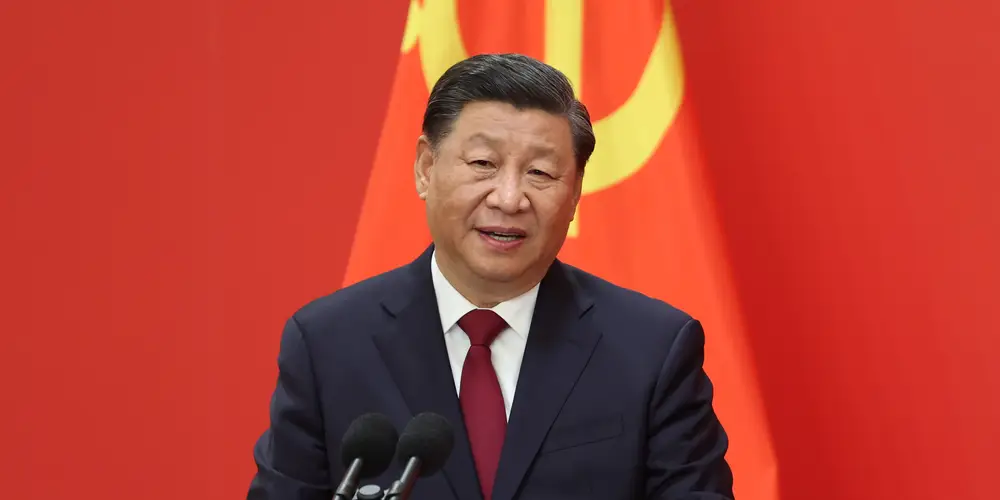
President Xi Jinping Advocates for International Rule of Law
President Xi Jinping Calls for Consistent International Rule of Law
Chinese President Xi Jinping stated on Tuesday that the international rule of law must be upheld to ensure peace and stability in the Middle East. During a meeting in Beijing with Sheikh Khaled bin Mohamed bin Zayed Al Nahyan, the Crown Prince of Abu Dhabi, Xi criticized the selective application of international legal standards. He remarked that the rule of law should not be utilized only when convenient and discarded otherwise, an apparent critique of the ongoing military actions involving the United States, Israel, and Iran. This statement marks a rare public commentary from the Chinese leader regarding the current regional conflict.
Beijing Prepares for High-Level Talks Amid Regional Warfare
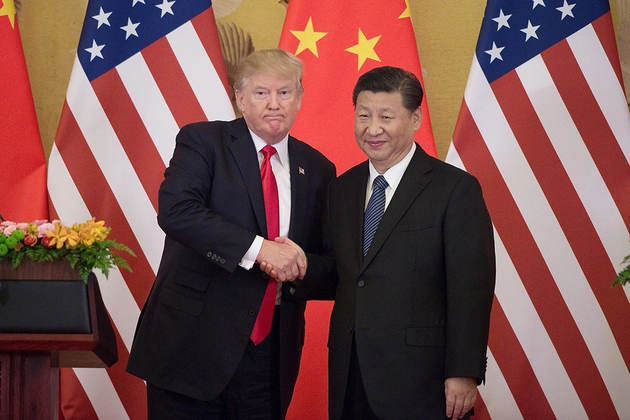
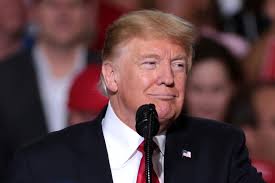
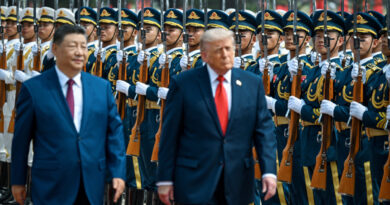
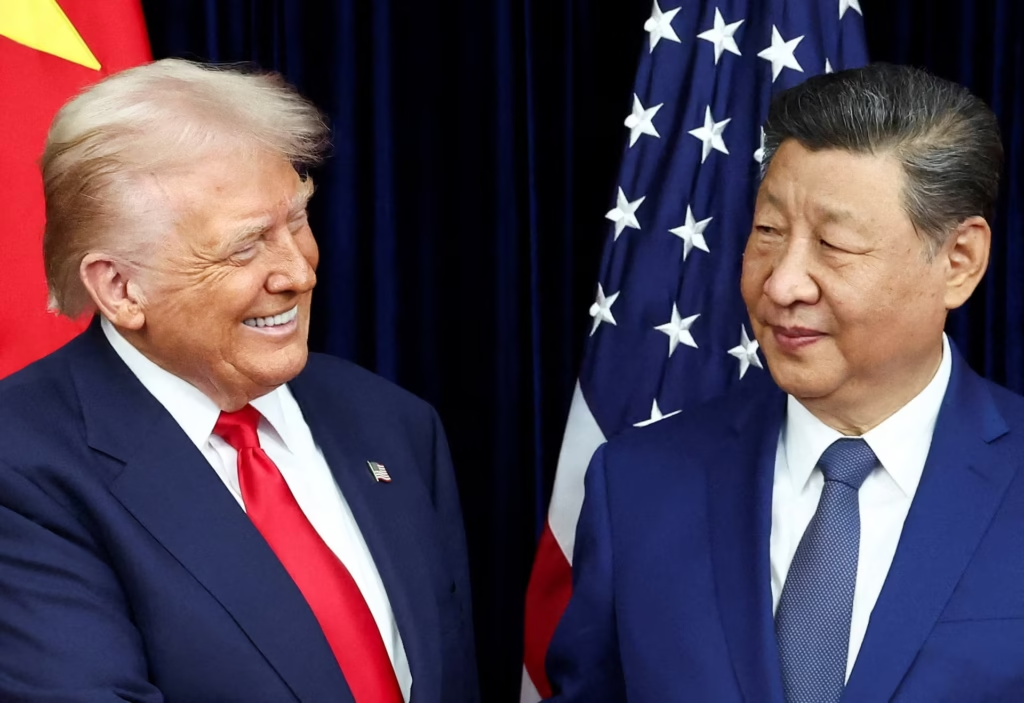
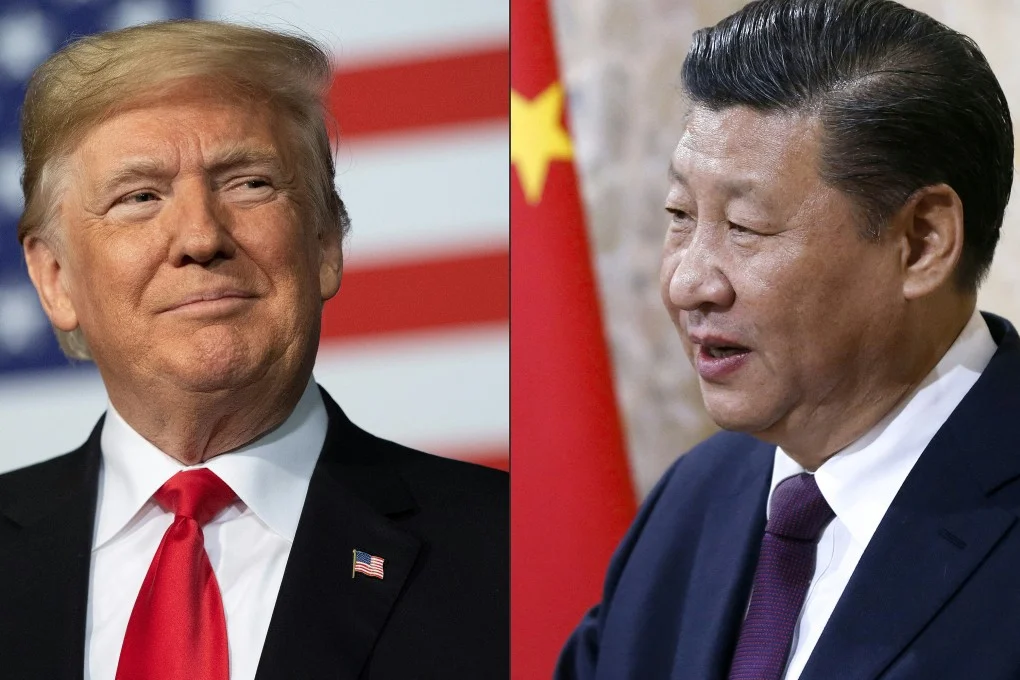
The President’s comments come ahead of an anticipated meeting between Xi Jinping and U.S. President Donald Trump scheduled for next month in Beijing. The diplomatic atmosphere remains tense following the failure of weekend negotiations between Washington and Tehran to establish a deal to end the war. Since the conflict’s inception in late February, regional stability has deteriorated, prompting Beijing to express concern over the global implications of the military campaign. China has repeatedly characterized the current Western-led military strategy in the region as a violation of international protocols.
US Naval Blockade and Iranian Countermeasures Disrupt Global Shipping
On Monday, the United States military initiated a blockade of Iranian ports, labeling Iran’s actions as “economic terrorism.” This follows Iran’s effective closure of the Strait of Hormuz to vessels from nations it deems unfriendly. The closure of this strategic maritime corridor has severely impacted global trade, specifically affecting oil shipments from Gulf states such as the United Arab Emirates. Tehran has responded to the regional military presence by launching missile and drone strikes targeting energy infrastructure in neighboring Gulf nations, further complicating the security landscape for international energy exports.
Chinese Energy Imports Reach Multi-Year Lows Due to Conflict
Official data released on Tuesday indicates a significant downturn in China’s energy security as a direct result of the Middle East hostilities. Chinese natural gas imports for March fell to their lowest levels since October 2022, while crude oil shipments decreased by 2.8 percent. These declines are attributed to Chinese vessels being caught in the disruptions within the Strait of Hormuz. President Xi emphasized to the UAE delegation that the global community must resist a reversion to “the law of the jungle,” highlighting the economic necessity of maintaining open and secure maritime trade routes.
read also ; US and Iran Evaluate Second Round of Negotiations
China and UAE Expand Strategic and Economic Corridor
Despite the regional instability, China and the UAE are moving to build a more resilient strategic partnership. Sheikh Khaled, who chairs the Abu Dhabi Executive Council, led a high-ranking delegation to Beijing that included the CEO of the Abu Dhabi National Oil Company and the ministers of investment and trade. This visit builds upon the economic momentum established during the 2024 visit of the UAE President. As part of this deepening relationship, Etihad Airways announced plans on Monday to significantly increase flight frequencies between Abu Dhabi and various Chinese cities through 2026 and 2027.
Premier Li Qiang Outlines Future Cooperation in Advanced Technology
Chinese Premier Li Qiang met with the Crown Prince on Monday to discuss optimizing the structural scale of bilateral trade. Li emphasized China’s interest in collaborating with the UAE on energy storage, hydrogen technology, and new energy vehicles. Furthermore, Beijing is encouraging UAE investment in high-growth sectors including artificial intelligence, advanced manufacturing, and life sciences. These discussions serve as a precursor to the second China-Arab States Summit later this year, where China intends to finalize a free trade agreement with the Gulf Cooperation Council (GCC) member states.
Diplomatic Efforts Target Free Trade Pact with Gulf Nations
The ongoing diplomatic engagement between Beijing and Abu Dhabi is a central component of China’s broader strategy to secure a free trade pact with the GCC, which includes Saudi Arabia, Qatar, Bahrain, Oman, Kuwait, and the UAE. By hosting the upcoming China-Arab States Summit, Beijing seeks to solidify its economic influence in the region while advocating for a multilateral approach to security. The UAE delegation’s focus on diversifying trade beyond traditional energy exports aligns with China’s goals of structural trade optimization and long-term regional cooperation amid the prevailing geopolitical volatility.