Iranian Foreign Minister Condemns UAE Role in Anti-Iran Actions
Iran Critiques United Arab Emirates Over Regional Neutrality
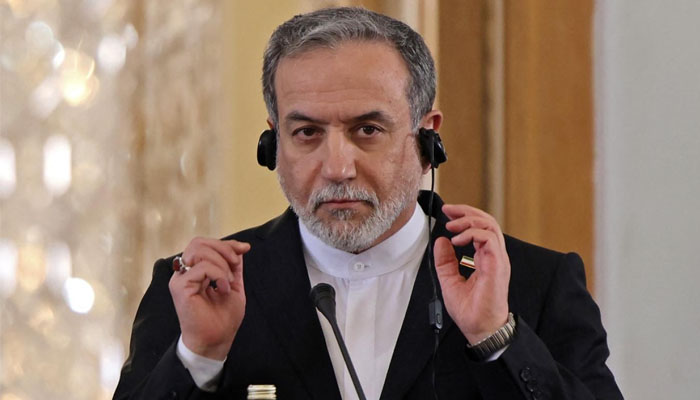
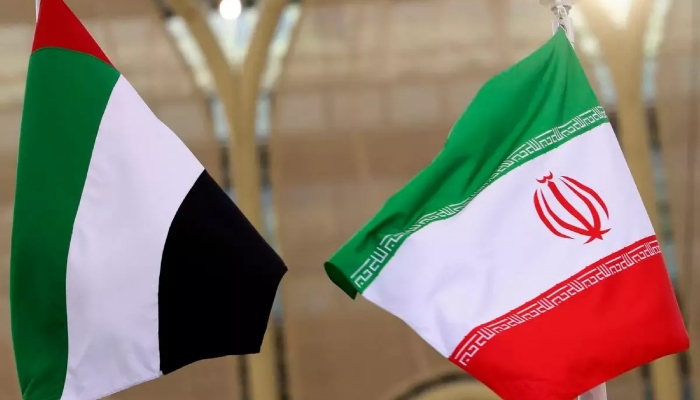
Iranian Foreign Minister Abbas Araghchi has issued a direct and formal condemnation of the United Arab Emirates, alleging the Gulf nation is “directly involved” in operations targeting the Islamic Republic of Iran. Addressing delegates at the BRICS summit, Araghchi revealed that while Tehran initially refrained from naming the UAE in the interest of regional solidarity, the diplomatic stance has shifted following recent security developments. The Foreign Minister specifically highlighted that the UAE failed to issue a formal condemnation when strikes were initiated against Iranian territory. This perceived lack of diplomatic support has led Tehran to demand an immediate and comprehensive review of the UAE’s current foreign policy regarding Iran. The Iranian leadership suggests that the UAE’s silence during active hostilities constitutes a breach of regional stability and mutual security expectations within the Middle East.
Araghchi Calls for Termination of United States Unilateralism
During his high-level address, Minister Araghchi utilized the BRICS platform to launch a sharp critique of United States foreign policy, which he characterized as systemic “bullying.” He asserted that the international community must collectively consign such unilateral actions to the “dustbin of history,” arguing that the era of Western hegemony is nearing its end. Araghchi maintained that Iranian resistance against American pressure is not a localized or new phenomenon, but rather part of a broader global struggle. He noted that many nations represented within BRICS have historically faced similar forms of coercion and systemic oppression. By framing the struggle as a shared international experience, Araghchi sought to consolidate support among emerging economies to dismantle the existing global power structures that favor Washington’s strategic interests over sovereign rights.
Call for Unified Resistance Against Shared Global Challenges
The Iranian Foreign Minister emphasized that the current geopolitical climate necessitates a unified approach toward collective security and economic independence. Araghchi stated that “the time has come to move forward together,” arguing that the practice of international bullying is no longer sustainable in a multipolar world. He warned that “declining empires” often resort to extreme measures to prevent their inevitable collapse, suggesting that the current global instability is a symptom of this transition. According to Araghchi, the member nations of BRICS are now more interconnected than ever, making it impossible to ignore the “common and dangerous challenges” posed by unilateral sanctions and military interventions. He urged the international community to recognize the vulnerability of the current global order and to prepare for a more integrated and defiant multilateral system.
read also ; EU Ministers Approve Sanctions Against Israeli Settlers and Hamas
Contradictory Reports Emerge Regarding Israeli-Emirati Diplomatic Ties
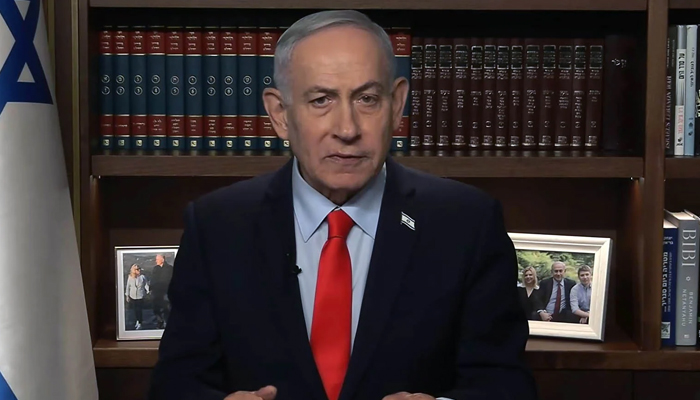
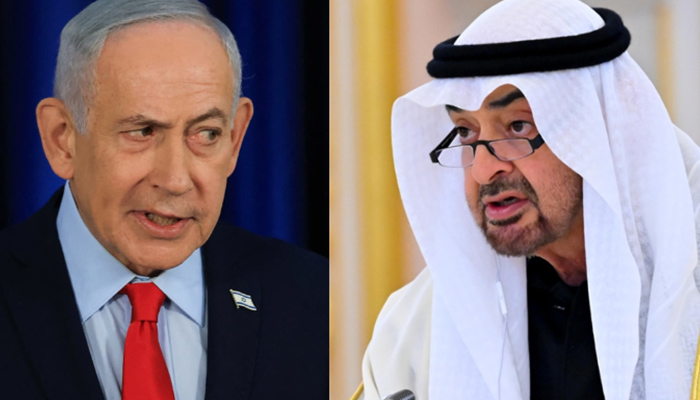
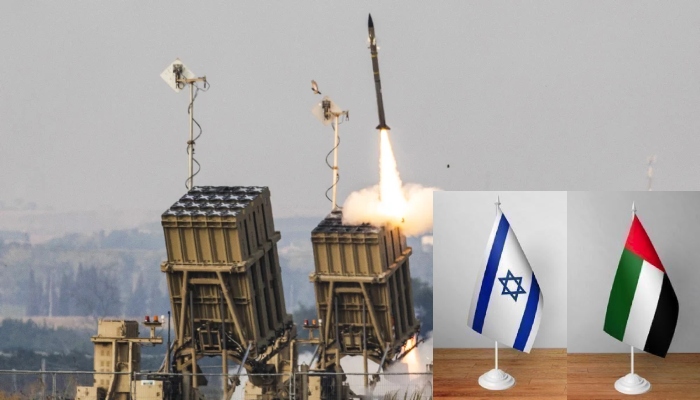
Adding further complexity to the regional situation, reports emerged from the Israeli Prime Minister’s Office suggesting that Benjamin Netanyahu conducted a clandestine visit to the United Arab Emirates. The statement claimed that Netanyahu met with the Emirati President during the height of recent military escalations involving Iran to discuss strategic coordination. However, the United Arab Emirates government has issued a formal and swift denial regarding these claims. Emirati officials have dismissed the reports of a secret diplomatic meeting as inaccurate, seeking to distance themselves from allegations of military or strategic collaboration with Israel during the ongoing conflict with Tehran. This discrepancy in official narratives highlights the delicate and volatile nature of Middle Eastern diplomacy as nations navigate the friction between Iranian demands and Israeli security alliances.