Trump, Netanyahu to Press for Momentum on Gaza Ceasefire, Address Iran and Lebanon Tensions
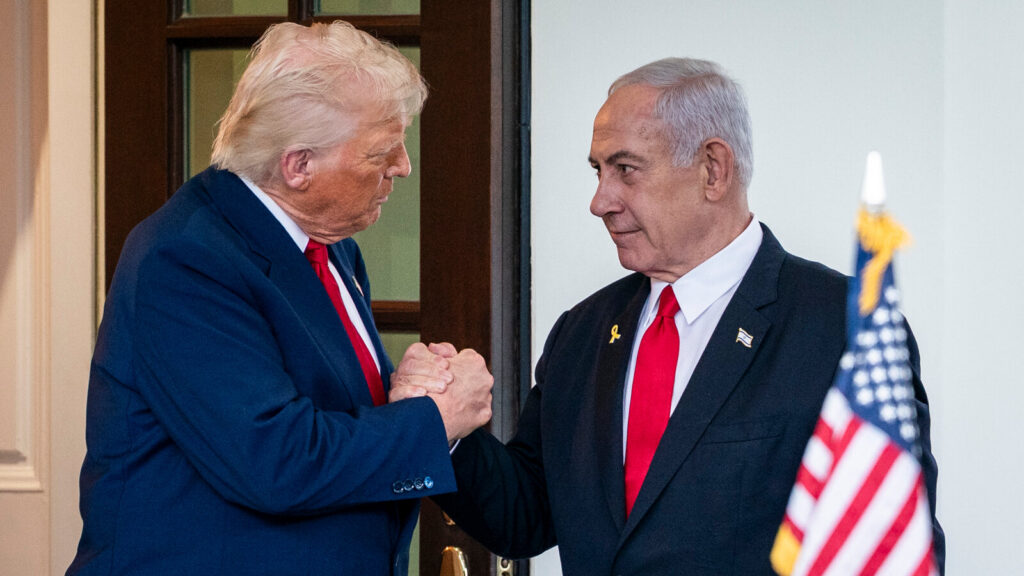
U.S. President Donald Trump is expected to push for progress on the stalled Gaza ceasefire when he meets Israeli Prime Minister Benjamin Netanyahu on Monday, with discussions also set to cover Israel’s concerns over Hezbollah in Lebanon and Iran’s regional activities.
Netanyahu said earlier this month that Trump invited him for talks as Washington works to advance a plan for transitional governance and an international security force in Gaza. While Trump has indicated the meeting would take place soon, the White House has not officially confirmed details and did not respond to requests for comment. Netanyahu is expected to meet Trump at his Mar-a-Lago resort in Florida.
Speaking on December 22, Netanyahu said the agenda would include the second phase of the Gaza ceasefire, as well as developments involving Iran and Lebanon. The United States has brokered ceasefires on all three fronts, but Israel remains wary that its adversaries could use the lull to rebuild their military capabilities after suffering significant losses during the conflict.
Next steps in the Gaza ceasefire
In October, all parties agreed to a ceasefire framework proposed by Trump that calls for Israel to withdraw from Gaza, Hamas to relinquish its weapons, and the group to step aside from governing the enclave.
U.S. Secretary of State Marco Rubio said last week that Washington wants the proposed transitional administration — including a Board of Peace and a technocratic Palestinian governing body — to be established soon. This would precede the deployment of an international security force authorized by a November 17 United Nations Security Council resolution.
However, Israel and Hamas have accused each other of serious violations of the agreement, and little progress has been made on the more difficult next phase. Hamas has refused to disarm and has not returned the remains of the last Israeli hostage, while Israeli forces remain deployed in roughly half of Gaza. Israeli officials have warned that if Hamas does not disarm through negotiations, Israel will resume military operations.
Although large-scale fighting has eased, violence has not fully stopped. Since the ceasefire took effect in October, Israeli strikes have killed more than 400 Palestinians — most of them civilians, according to Gaza health authorities — while Palestinian militants have killed three Israeli soldiers.
Lebanon ceasefire under strain
In Lebanon, a U.S.-backed ceasefire reached in November 2024 ended more than a year of hostilities between Israel and Hezbollah. The agreement requires the Iran-backed group to begin disarming, starting in areas south of the Litani River near the Israeli border.
Lebanon says it is close to meeting the year-end deadline to disarm Hezbollah in those areas, but the group has resisted surrendering its weapons. Israel says progress has been slow and incomplete, and has continued near-daily strikes in Lebanon aimed, it says, at preventing Hezbollah from rebuilding its forces.
Regional tensions have also been heightened by Iran’s actions. Tehran, which fought a 12-day war with Israel in June, said last week it conducted missile exercises for the second time this month. Netanyahu said Israel is not seeking a confrontation with Iran but is monitoring developments closely and plans to raise the issue with Trump.
In June, Trump ordered U.S. strikes on Iranian nuclear sites, but has since floated the possibility of reaching a new deal with Tehran, underscoring the delicate balance Washington is trying to maintain as it navigates ceasefires across the region.