Pakistan Spends $980 Million on Pulse Imports
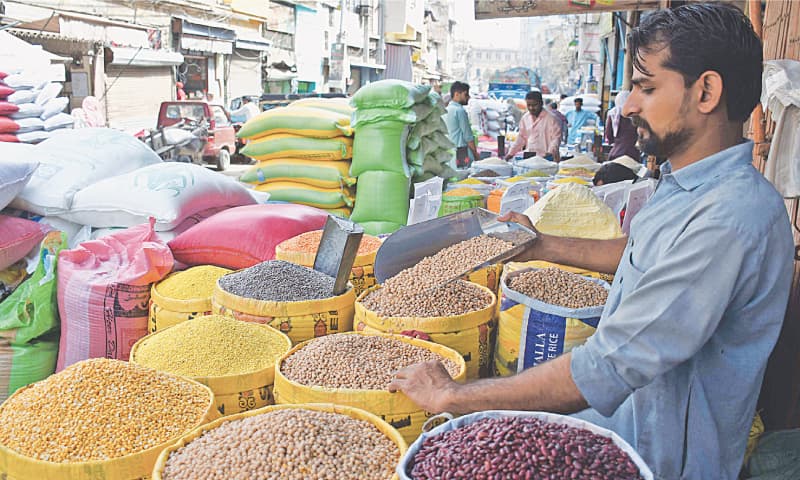
Pakistan is spending nearly $980 million annually on pulse imports as domestic production continues to decline, with approximately 80 percent of pulses consumed nationwide now sourced from abroad. Agricultural experts have raised concerns over the growing reliance on imports, warning of potential risks to food security and economic stability.
According to expert assessments, Pakistan’s annual demand for pulses stands at about 1.62 million tonnes. However, domestic production falls significantly short of this requirement, compelling the country to import around 1.07 million tonnes each year. This import volume accounts for roughly 80 percent of total national consumption, highlighting the widening gap between demand and local supply.impor
Rana Muhammad Tayyib, President of the Punjab Pulses Importers Association and Chairman of the Grain Market, stated that Pakistan was once among the leading exporters of pulses until 1998. He explained that an export ban introduced during the era of former President Pervez Musharraf discouraged farmers from cultivating pulses, gradually transforming the crop into a low-profit venture.
Tayyib noted that despite an annual domestic requirement of 1.62 million tonnes, only a limited portion is produced locally, resulting in imports of approximately 1.07 million tonnes each year. He attributed the production shortfall largely to the failure of the Federal Seed Corporation to develop heat-resistant and high-yield seed varieties suitable for changing climate conditions.
Experts argue that without improved seed development and supportive agricultural policies, farmers remain reluctant to expand pulse cultivation due to lower profitability compared to other crops. As a result, the country’s dependency on foreign supplies continues to deepen.
With nearly four-fifths of pulses now imported, stakeholders have warned that fluctuations in international markets, currency pressures, and global supply disruptions could significantly impact domestic prices and availability. The increasing import bill not only strains foreign exchange reserves but also underscores structural weaknesses in the agricultural sector that require urgent policy attention.