Sherry Rehman Defends Sindh’s Constitutional Unity
ISLAMABAD: Pakistan’s Senate on Monday witnessed heated debate as the Pakistan Peoples Party (PPP) strongly rejected recent statements suggesting the creation of a separate province comprising Karachi, declaring the city an inseparable part of Sindh.
The discussion followed a resolution passed by the Sindh Assembly two days earlier affirming Karachi’s constitutional status within Sindh and opposing any move to alter provincial boundaries. The resolution was opposed by the Muttahida Qaumi Movement-Pakistan (MQM-P), which termed it unconstitutional.
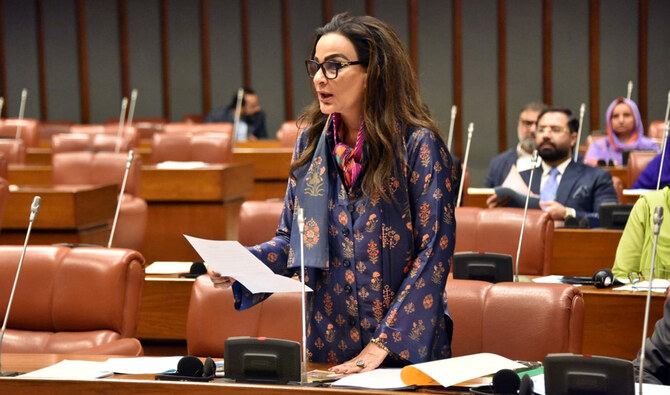
PPP parliamentary leader in the Senate, Sherry Rehman, criticized remarks by certain federal ministers, in an apparent reference to MQM-P leaders Mustafa Kamal and Khalid Maqbool Siddiqui. She described such statements as reckless and unconstitutional, warning that they posed a direct challenge to the federation’s unity.
“The PPP is the custodian of Sindh’s unity and no one will be allowed to undermine it,” she said, emphasizing that Sindh had shared its resources with the country since 1947. Rehman cautioned that suggestions of dividing Karachi or Sindh were deeply alarming and amounted to an attack on Pakistan’s federal structure.
She reminded lawmakers that altering provincial boundaries required a constitutional process, including a two-thirds majority in parliament. “Constitutional divisions require democratic majorities, not press conferences,” she remarked.
Referring to coalition dynamics, she noted that MQM-P had remained part of various federal governments. However, she urged political actors not to confuse local debates with attempts to redraw provincial maps. Rehman reiterated that the PPP had historically resisted divisions based on language or identity, citing the party’s sacrifices for democracy.
She invoked the legacy of Zulfiqar Ali Bhutto and Benazir Bhutto, stating that PPP leadership had endured imprisonment and political persecution to uphold democratic principles. She also referenced President Asif Ali Zardari, asserting that the party had consistently prioritized national unity over political expediency.
PPP Senator Syed Waqar Mehdi also defended his party’s record, arguing that PPP administrations had delivered better governance in Karachi compared to previous city leadership under MQM-P and Jamaat-i-Islami. He questioned the performance of former mayors affiliated with those parties and criticized the lack of substantive discussion at a recent education conference attended by federal officials.
In response, MQM-P Senator Khalida Ateeb opposed the Sindh Assembly resolution, calling it unconstitutional. She maintained that MQM-P had never advocated for dividing Sindh but supported the idea of administrative units across provinces to improve governance. She also questioned the origins of the quota system and rural-urban divisions in Sindh.
Separately, Adviser to the Prime Minister on Political and Public Affairs Rana Sanaullah stressed the importance of dialogue in strengthening democracy. Addressing concerns raised by opposition leader Raja Nasir Abbas, he said the government remained open to negotiations and urged the opposition to play a constructive role in resolving national issues.
Rana Sanaullah also addressed questions regarding facilities provided to Imran Khan, stating that medical care and other entitlements were being extended in accordance with Supreme Court directives. He emphasized that legal matters concerning the former prime minister should be resolved through the courts.
The Senate debate underscored growing political tensions over provincial autonomy and federal cohesion, as parties traded sharp criticism while reiterating commitments to constitutional processes and democratic engagement.