
Analysis Explores US Strike Options on Iran
As several Middle Eastern countries reportedly declined to allow their territories to be used for potential military action against Iran, a new analysis suggests the United States could launch a strike on Tehran from outside the region.
According to media reports, a technology and military affairs channel, Washington has alternative options that do not require staging attacks directly from Middle Eastern soil. The analysis comes amid reports that deploying major forces to Diego Garcia may be constrained due to the absence of a new agreement with Britain.
European Bases Eyed in Iran Scenario
Diego Garcia has functioned as a joint UK–US military base since the 1970s and has historically played a strategic role in long-range U.S. operations. However, the report suggests that limitations surrounding the base could compel Washington to rely more heavily on European installations and naval assets.
Media Reports indicated that over recent days, fighter jets and multi-mission aircraft including the F-35 Lightning II and the F-22 Raptor-as well as strategic transport and ground-attack aircraft, have arrived at American bases in several European countries. These reportedly include installations in Germany, Bulgaria, Greece, and Cyprus.
Naval Assets Could Lead Initial Assault
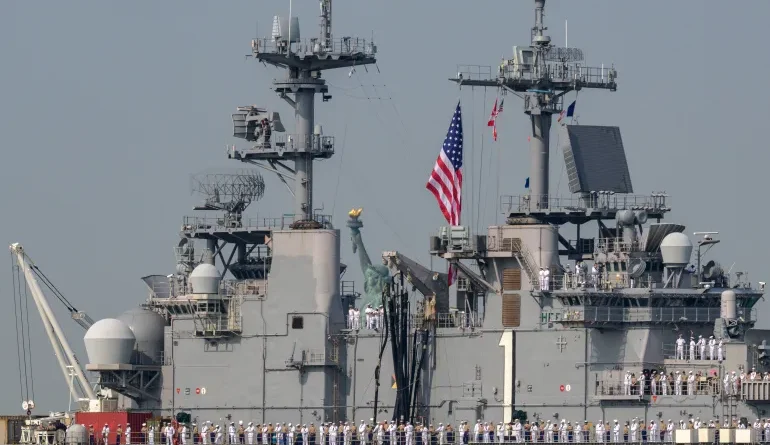
The channel’s assessment suggests that strikes could be launched from the sea, supported by aircraft operating out of Europe, thereby avoiding reliance on Middle Eastern host nations. Analysts cited in the report argue that such an approach would enable Washington to project power while minimizing political friction with regional partners.
Read Also ; Pezeshkian Notes Encouraging Signals From United States
Currently, the United States maintains an extensive military footprint across the Middle East, with approximately 30 to 40 installations hosting between 30,000 and 50,000 troops. Recent U.S. reports indicate that reinforcements have pushed that number closer to 40,000–50,000 personnel amid rising regional tensions.
Diego Garcia Constraints Shape US Planning
According to the analysis, any potential operation would likely begin with naval destroyers launching precision-guided munitions from offshore positions. Rather than initiating an attack with manned aircraft, the first phase could involve robotic or automated precision strikes designed to overwhelm Iranian radar systems and disrupt command-and-control networks.
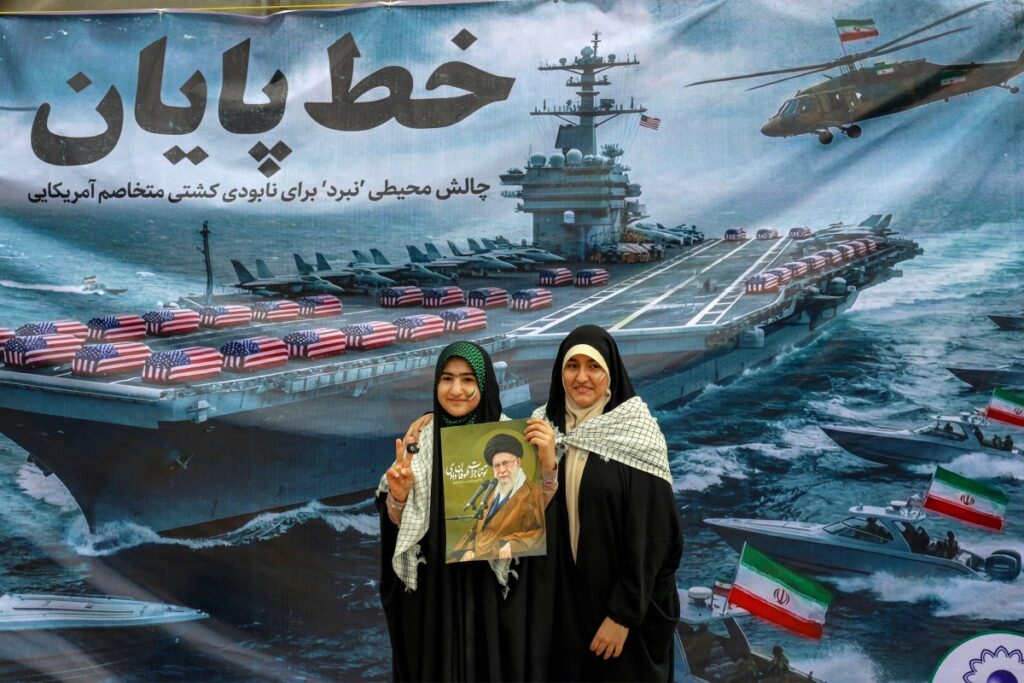
The primary objective of such an initial wave, the report suggests, would be to degrade Iran’s air defense capabilities and communications infrastructure before deploying additional assets. This strategy would aim to establish temporary operational superiority while limiting risks to pilots and high-value aircraft.
The analysis reflects growing speculation about how Washington might respond if diplomatic efforts with Tehran falter. U.S. officials have not publicly confirmed any operational plans, and the scenario described remains speculative.
Nevertheless, the evolving military posture in Europe and the broader region underscores the strategic calculations underway as tensions between Washington and Tehran continue to shape regional security dynamics.