Report Details Climate Impacts Across America
The latest report from the Intergovernmental Panel on Climate Change (IPCC) delivers a stark warning about the accelerating consequences of global warming, emphasizing that climate change is no longer a distant threat but a present-day crisis. While climate projections often focus on future scenarios, communities across the United States are already experiencing measurable and disruptive effects.
To better understand how climate change is impacting individual states, data journalism outlet Stacker compiled a comprehensive list of climate-related consequences nationwide. The analysis relied on local and national news coverage, government reports, and peer-reviewed scientific studies to document patterns emerging across the country.
Extreme Weather Trends Signal Growing Emergency
Although many of the impacts are weather-related such as heat waves, droughts, hurricanes, and severe storms experts caution that no single weather event can be attributed solely to climate change. Instead, scientists examine long-term trends. When extreme events become more frequent, more intense, or more prolonged over time, they reflect broader climatic shifts driven by increased greenhouse gas concentrations.
Read Also ; Stroke Patients Face Greater Pollution Alzheimer’s Threat
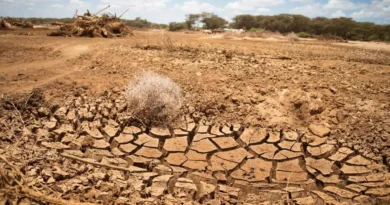
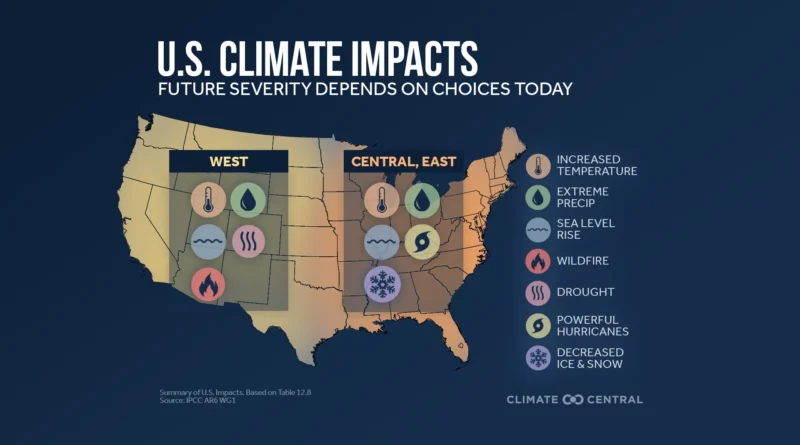
Across the United States, average temperatures have risen steadily, contributing to longer wildfire seasons in western states and heightened heat-related health risks in densely populated cities. In coastal regions, stronger hurricanes and rising sea levels have increased the frequency and severity of flooding. Meanwhile, parts of the Midwest and Northeast have experienced heavier rainfall events, raising the risk of flash floods, while other regions continue to struggle with prolonged drought conditions.
US Faces Escalating Climate-Driven Disruptions
These changing patterns are disrupting agricultural production, straining water supplies, and affecting food security. Farmers face reduced crop yields due to extreme heat and unpredictable precipitation. Water systems dependent on snowpack are confronting declining reserves. In some instances, severe weather events linked to broader climate trends have resulted in fatalities, underscoring the tangible human cost of the crisis.
The U.S. government has set a target to reduce greenhouse gas emissions by at least 50% by 2030 compared to earlier baseline levels, aligning with international climate commitments. However, experts emphasize that emissions reductions alone will not immediately reverse existing impacts. Alongside cutting emissions, adaptation and mitigation efforts such as reinforcing infrastructure, strengthening disaster preparedness, and investing in renewable energy must be prioritized.
IPCC Warns Climate Crisis Already Here
The IPCC’s findings reinforce the scientific consensus that the climate emergency is already unfolding. As extreme weather events grow more frequent and disruptive, policymakers face mounting pressure to accelerate both emissions reductions and resilience strategies to safeguard communities across the nation.