

Ten Airspaces Closed, 184 Pakistan Flights Canceled
The continued closure of airspace across 10 countries has led to the cancellation of 184 flights from Pakistan to Middle Eastern destinations, leaving passengers facing significant travel disruptions.
Middle East Routes Severely Disrupted for Passengers
Airspace over Iran, Iraq, Israel, Kuwait, Bahrain, Qatar and Syria has been officially declared completely closed. In addition, the airspace of the United Arab Emirates, Lebanon and Jordan has remained closed for flights since yesterday.

From Karachi, 42 flights to Dubai, Sharjah, Doha, Najaf, Istanbul, Abu Dhabi, Muscat, Bahrain and Tehran have been canceled. Similarly, 40 flights from Lahore to Abu Dhabi, Dammam, Tehran, Dubai, Doha, Muscat, Ras Al Khaimah, Sharjah and Bahrain have been called off.
Major Airports Across UAE Remain Shut
From Islamabad, 36 flights to Dubai, Doha, Dammam, Muscat, Kuwait, Abu Dhabi, Riyadh, Bahrain and Sharjah have been canceled. In Peshawar, all 18 foreign flights to Doha, Dubai, Abu Dhabi, Sharjah and Jeddah have been suspended.
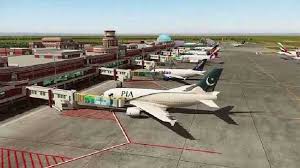
In addition, 22 flights from Multan to Doha, Muscat, Abu Dhabi, Sharjah, Dubai and Jeddah have been canceled. From Faisalabad, all 12 foreign flights to Dubai, Sharjah and Abu Dhabi have been suspended.
At Sialkot, 12 flights to Abu Dhabi, Jeddah, Dubai, Sharjah, Dammam and Muscat have been canceled. In Quetta, both foreign flights to Dubai scheduled for today have been called off.
PAA Confirms Pakistan Airspace Fully Operational
Authorities have also confirmed that airports across the United Arab Emirates, including those in Dubai and Abu Dhabi, remain closed for the second consecutive day.
Read Also ; PM Shehbaz Cancels Russia Visit Amid Tensions
A spokesperson for the Pakistan International Airlines stated that Pakistan’s airspace is fully open and safe for flight operations. Meanwhile, airspace over Saudi Arabia remains open and airport operations there are continuing as normal.
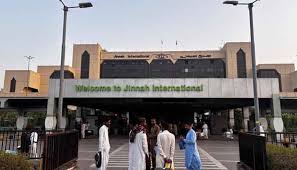
Flight operations in Turkey have also resumed, with Turkish Airlines operating flights via longer alternative routes to avoid restricted zones.
The widespread closures have significantly disrupted regional air connectivity, particularly affecting travelers between Pakistan and key Middle Eastern destinations.