Government Imposes Fixed Charges on Three-Phase Meters
Fixed Charges Introduced for Three-Phase Consumers
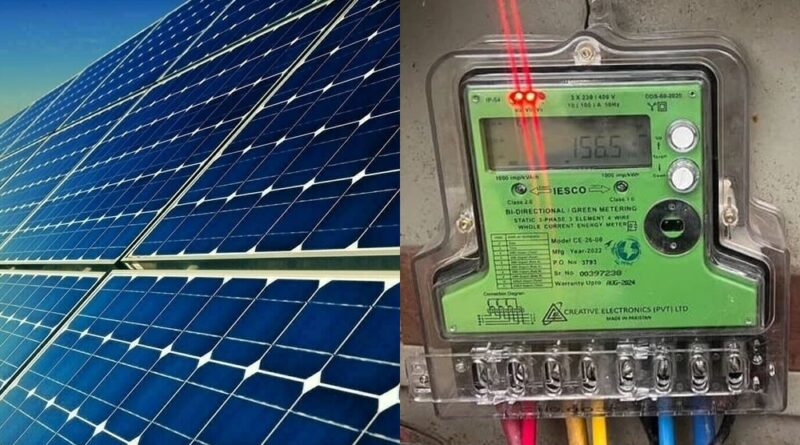
The federal government has imposed fixed electricity charges on all three-phase meter consumers, including residential and commercial users with solar systems. The new charges will be reflected in electricity bills issued this month, according to reports.
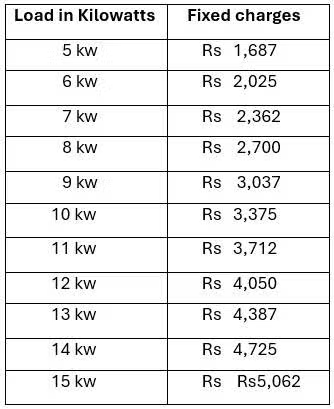
Under the revised structure, consumers with an approved load of five kilowatts will pay a minimum fixed charge of Rs1,687. The charges will increase incrementally based on sanctioned load, reaching Rs5,062 for a 15-kilowatt connection. For loads exceeding 15 kilowatts, the fixed fee will rise further in accordance with the approved schedule.
The decision is expected to affect private housing societies and a significant number of solar system users who operate on three-phase connections.
NEPRA Approves Revised Framework
The changes were approved by the National Electric Power Regulatory Authority (NEPRA), Pakistan’s electricity regulatory body. The revised tariff structure is part of broader adjustments in the power sector aimed at restructuring billing mechanisms.
Officials indicated that the updated framework coincides with the implementation of the “Solar Consumers Regulations 2026,” which introduce new rules governing electricity consumption and compensation for solar energy producers.
Shift from Net Metering to Net Billing
Under the new regulatory framework, net metering for new solar consumers has been replaced with a net billing system. The previous arrangement allowed unit-for-unit adjustments between electricity supplied to the grid and power consumed from it.
The updated system removes the direct unit offset and instead sets a purchase rate of Rs11 per unit for surplus electricity supplied to the grid by new solar users.
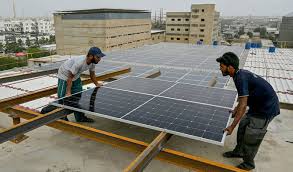
Authorities clarified that existing solar consumers will continue under the earlier net metering regime and will not be subject to the revised billing methodology.
Impact on Solar and Residential Consumers
The introduction of fixed charges and the transition to net billing are expected to have financial implications for both residential and commercial consumers operating three-phase meters, particularly those who have invested in solar installations.
Read Also ; Rana Mashood Stresses Demand-Driven Skills Strategy
Private housing societies, which often rely on higher sanctioned loads and distributed solar systems, are likely to experience increased baseline billing costs due to the fixed charge component.
The government’s move reflects ongoing efforts to balance grid sustainability, cost recovery, and renewable energy integration within Pakistan’s electricity market.