President Macron Declares France Will Not Join Hormuz Operations
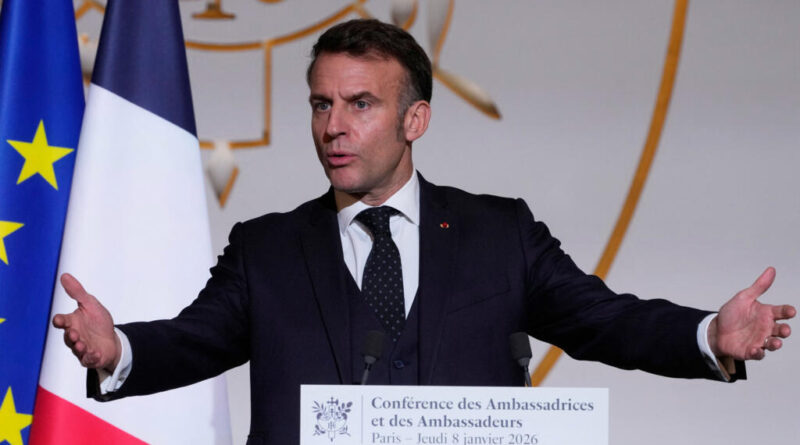
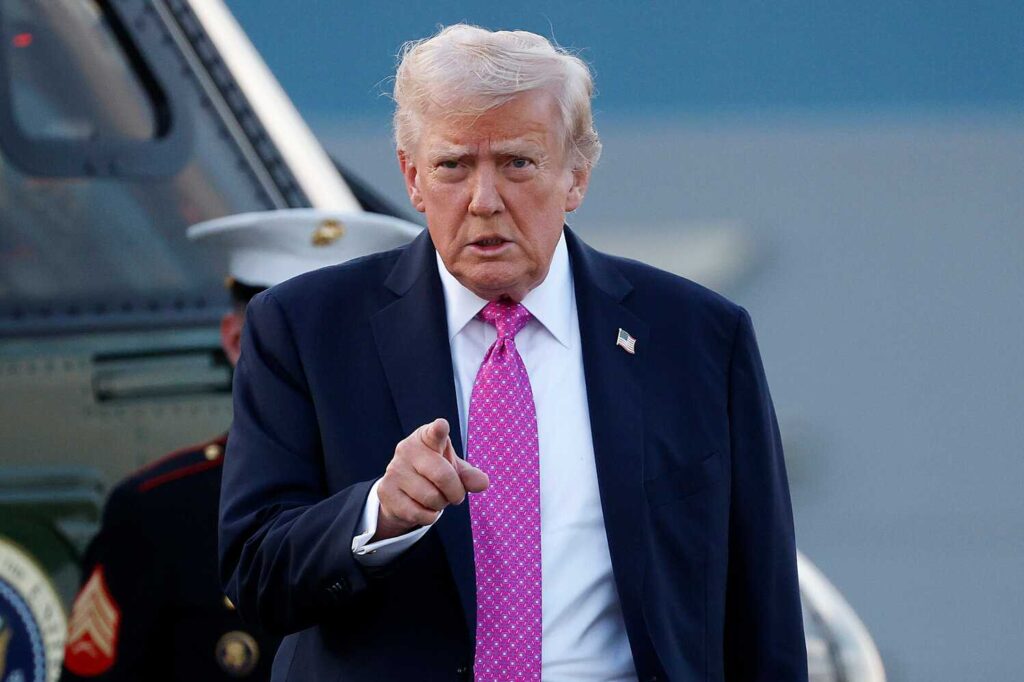
French President Emmanuel Macron has officially announced that France will not participate in any military operations intended to reopen the Strait of Hormuz. In a formal statement, Macron clarified that France is not a party to the ongoing conflict and will remain excluded from current intervention efforts. Despite this stance, the French President noted that his administration is working toward establishing a future coalition.
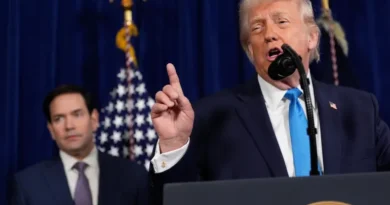
President Trump Rebukes NATO Allies Over Lack of Support
This diplomatic alliance aims to provide a guarantee for the freedom of international navigation once current regional tensions have subsided, emphasizing a post-conflict security framework rather than immediate military engagement.
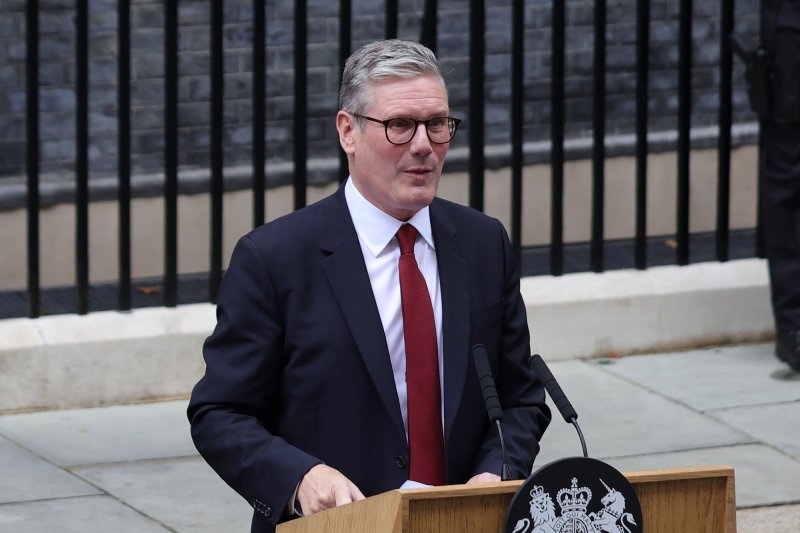
British Prime Minister Sir Keir Starmer echoed this sentiment, confirming that the United Kingdom would also refrain from participating in operations to force the opening of the strategic waterway. This collective refusal from European allies has drawn a sharp response from U.S. President Donald Trump.
France Refuses Military Involvement in Clearing Strait of Hormuz
Speaking to the media from the Oval Office, President Trump expressed significant frustration, accusing NATO allies of failing to support the United States in its time of need. Trump highlighted that while the U.S. has spent billions of dollars on NATO’s defense, the alliance was not present when American interests required reciprocal military backing.
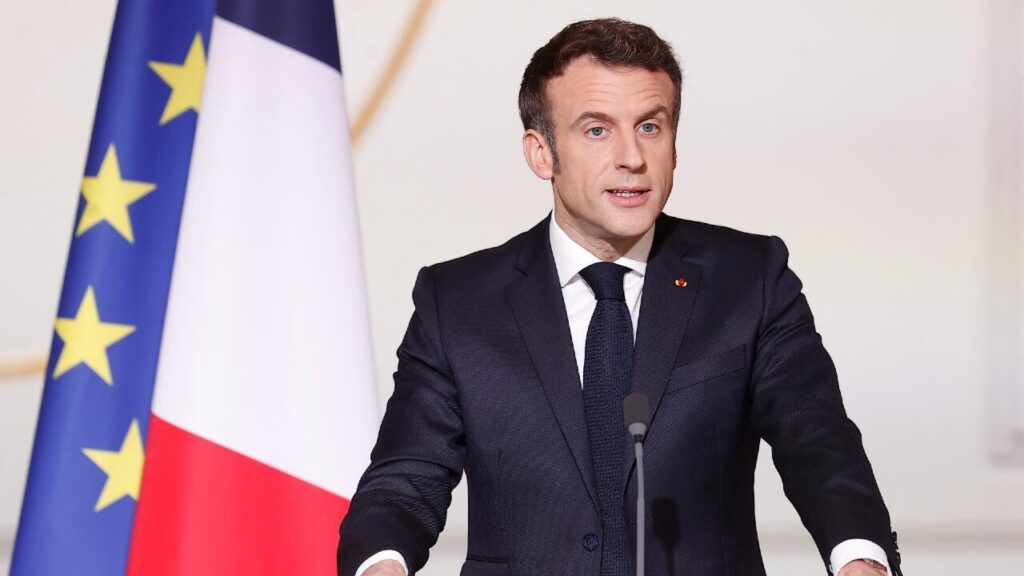
President Trump specifically targeted Prime Minister Starmer, stating that the British leader had disappointed him. According to the President, Starmer offered to send warplanes only after the conflict had been effectively won, a gesture Trump dismissed as unnecessary.
Read Also ; Abbas Araghchi Blames United States for Regional Civilian Risks
During his address, Trump claimed that the United States has successfully dismantled the Iranian regime and neutralized its maritime and aerial defense systems. He asserted that Iranian vessels responsible for laying mines in the Strait of Hormuz have been sunk, and he challenged nations reliant on the strait for oil transport to take responsibility for their own maritime security.
British Prime Minister Opts Out of Hormuz Maritime Mission
The U.S. President further claimed that there is currently no leadership in Iran capable of negotiation, alleging that the new Supreme Leader may no longer be alive. He accused previous Iranian leaders of engaging in fraud against the American people and reiterated that violent regimes must not possess nuclear weapons.
Trump argued that if Iran held such weapons, they would have been utilized against the U.S. While he could not provide an exact timeline for the end of the war, he expressed confidence that the conflict would conclude shortly. Additionally, Trump mentioned postponing a planned visit to China by one month to manage domestic and wartime responsibilities.
Trump Urges Asian Nations to Secure Personal Oil Interests
The President concluded by reiterating his appeal to China, Japan, and South Korea to deploy their own naval fleets to secure the Strait of Hormuz. He pointed out that 90% of China’s oil, 95% of Japan’s oil, and 35% of South Korea’s oil pass through the strait, suggesting that these nations should bear the burden of protecting their vital energy supplies.
The remarks underscore a significant shift in U.S. foreign policy, moving toward a demand for greater military self-reliance from international trade partners and long-standing allies in the face of Middle Eastern instability.